Will the US go to war with Venezuela? Trump ramps up attacks with seizure of oil tanker
Maduro continues to call for dialogue but has warned he will stand against the ‘aggressions of imperialism’ if needed
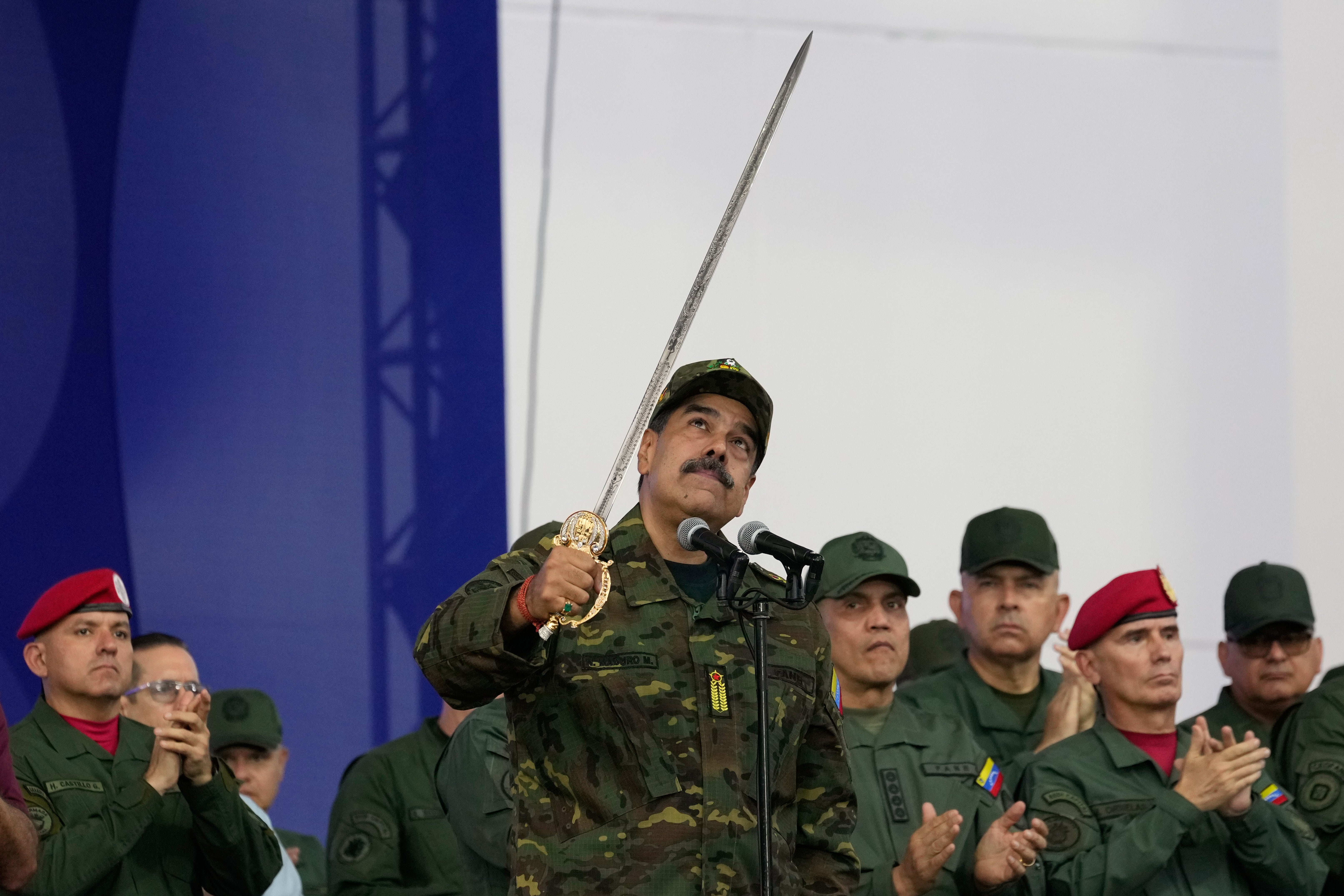
A Venezuelan oil tanker has been seized by the US in an unprecedented move that the country’s government has called an “international act of piracy”.
It marks a serious escalation in the ongoing hostilities between President Donald Trump’s administration and Venezuelan leader Nicolas Maduro, who has accused the US of orchestrating the military action to exploit Venezuela’s natural resources including oil and energy.
Trump’s attorney general Pam Bondi said that the seizure was organised to “prevent the transport of sanctioned oil” and was conducted “safely and securely”.
The US accuses Venezuela of using the tanker to transport sanctioned oil from Venezuela and Iran suggesting it was involved in an “illicit oil shipping network supporting foreign terrorist organisations”.
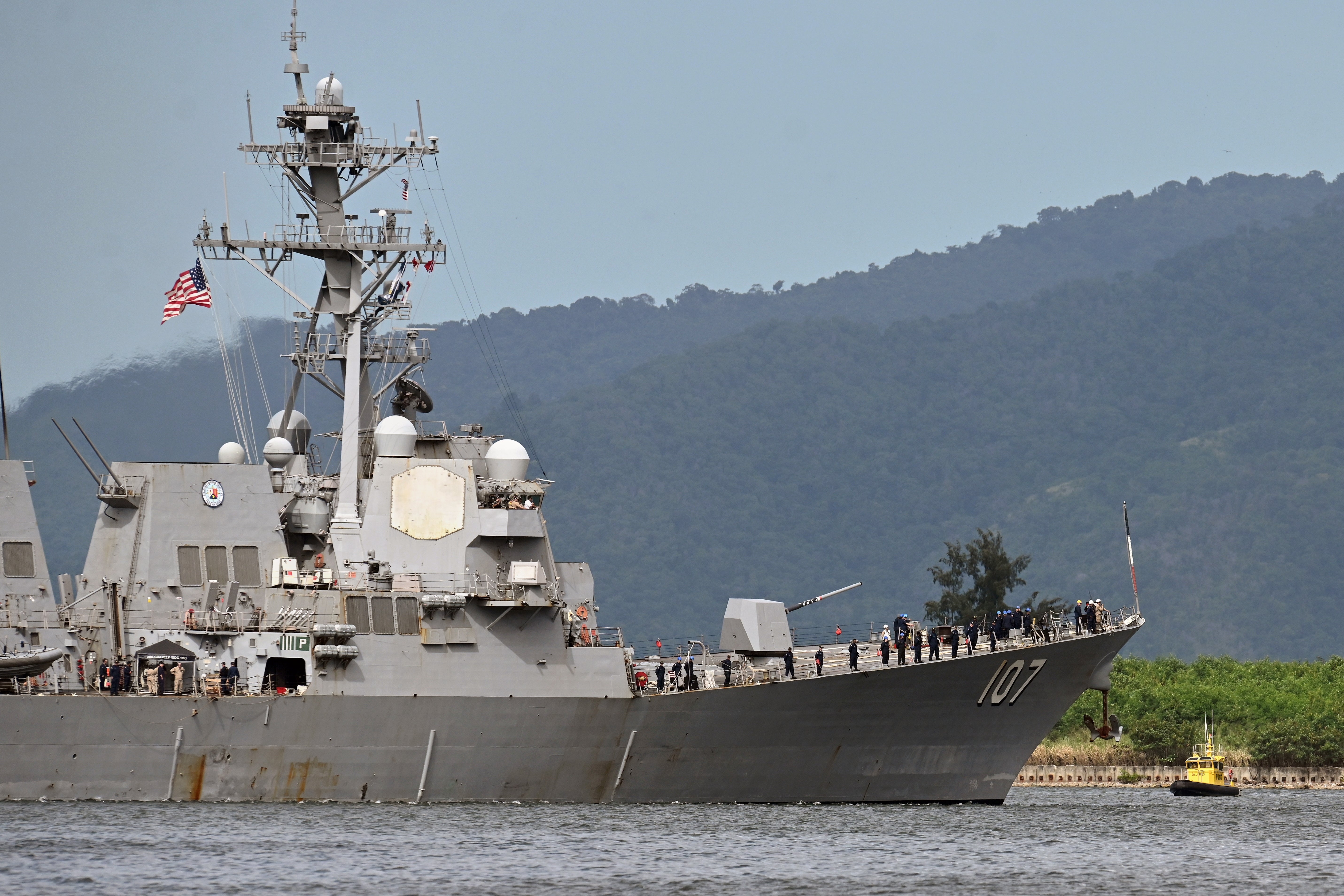
However, critics have accused the US of overstepping its jurisdiction with a heavy-handed show of force in international waters, which include its operation against alleged drug-smuggling boats off the coast of the country.
Maduro denies his country is involved in an illegal drug trade and accused the Trump administration of “fabricating a new eternal war”.
“I think you’re going to find that this is war,” Trump said last week. “And very soon we’re going to start doing it on land too,” he said following the naval strikes.
At least 87 people have been killed in strikes on alleged drug boats in the Caribbean, with some legal experts calling the attacks “extrajudicial killings”.
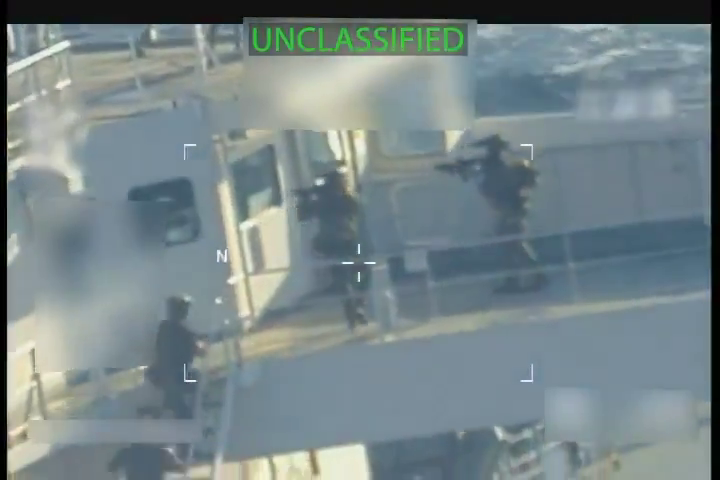
The US has sent some 15,000 troops and more than a dozen warships to the region over the last few months as part of what Trump has framed as a war against drug cartels. Maduro has accused Washington of trying to force regime change.
The Independent looks at how both sides got to this point - and how likely Trump is to launch an invasion.
Will the US strike Venezuela?
Trump warned “airlines, pilots, drug dealers and human traffickers” last month that they should consider the airspace around Venezuela closed amid fears Washington is preparing to carry out airstrikes.
The US president later told reporters not to “read anything into it”, adding that he had issued the threat “because we consider Venezuela to be not a very friendly country.”
The US is not legally able to close Venezuela’s airspace. But it could agitate Caracas by encouraging airlines to steer clear, creating a deeper sense of insecurity at home. Venezuela described the comments as a "colonialist threat" against its sovereignty.
Last week, Trump threatened to escalate action against Venezuela by moving to operations on land.
“You probably noticed that people aren’t wanting to be delivering [drugs] by sea, and we’ll be starting to stop them by land also. The land is easier, but that’s going to start very soon.”
Why has the US sent a naval fleet to Venezuela’s coast?
The US has amassed warships and troops in the region over the last few months as part of “Operation Southern Spear”.
That includes the 337m USS Gerald R Ford aircraft carrier, capable of carrying around 4,600 personnel and 90 aircraft. It has also included guided missile destroyers, amphibious assault ships and oil tankers for refuelling vessels.
Pete Hegseth, US Secretary of War, says Southern Spear is aimed at removing narco-traffickers from the Western Hemisphere. The Trump administration has not provided evidence that the boats targeted were carrying drugs.
Maduro says the show of force in the region is part of an effort to oust him from power.
Dr Christopher Sabatini, senior fellow for Latin America at the Chatham House think tank, told the BBC in October that the administration was aiming to displace Maduro and force regime change.
How has Maduro responded?
Maduro initially sent some 15,000 troops to the border with Colombia to fight drug trafficking in August. But the US has continued to amass forces in the region regardless.
Venezuela has had a careful balance to maintain between insisting upon dialogue and standing firm against perceived aggression.
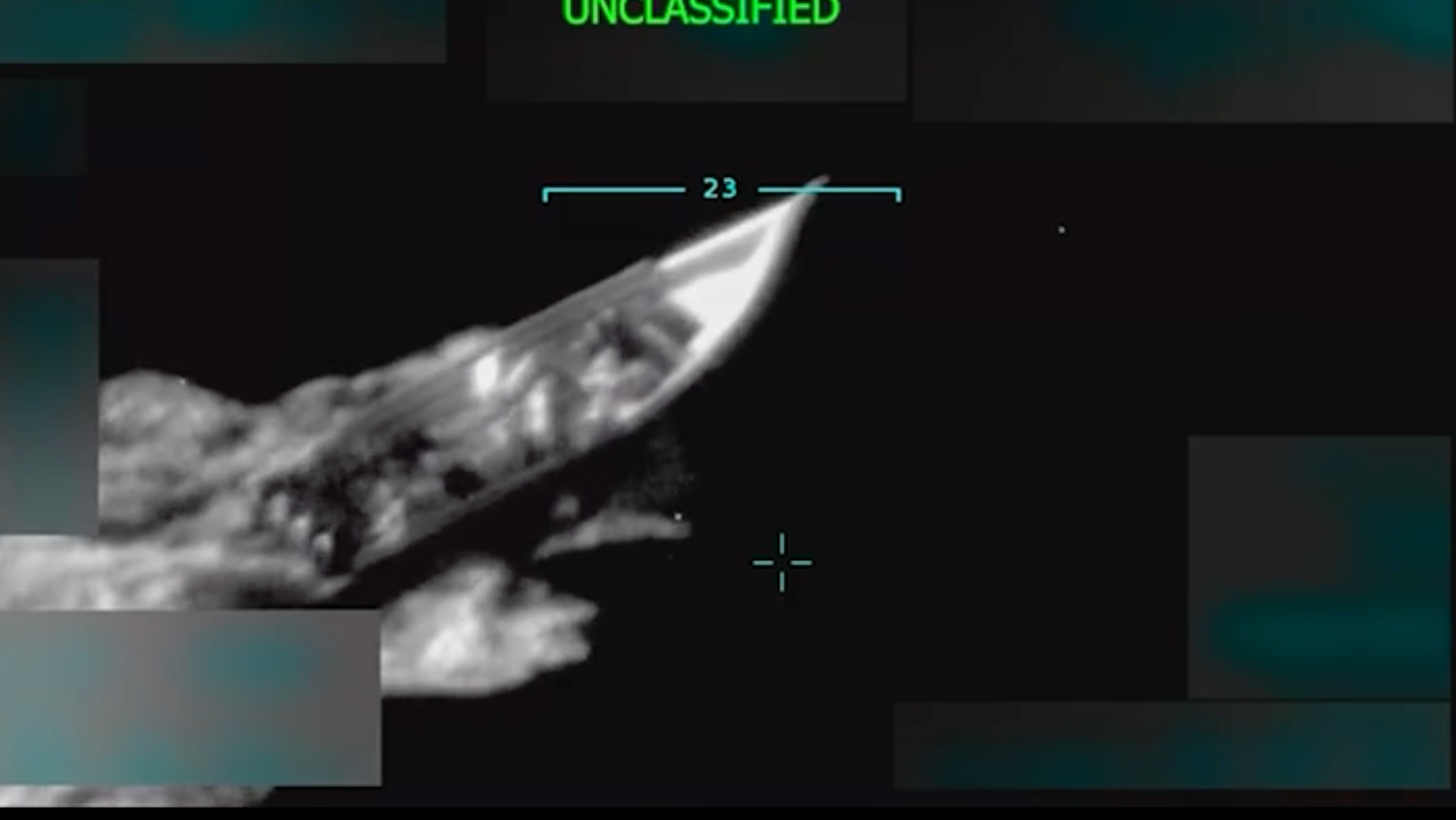
Last month, Maduro appeared at a rally with the sword of independence leader Simón Bolívar and promised to stand against imperialism.
"I swear before this sky, I swear before our Lord Jesus Christ, that I will give my all for the victory of Venezuela against the threats and aggressions of imperialism," he said.
But he has also continued to call for deescalation. He recently sang John Lennon’s ‘Imagine’ during a rally in Miranda, and once spoke directly to American audiences in English to call for peace and urge against war.
In the worst-case scenario, Venezuela is believed to be preparing to mount a guerrilla-style resistance or sow chaos, according to sources and planning documents. Resistance could involve small military units carrying out acts of sabotage and other guerrilla tactics.
Historic tensions between the US and Venezuela
Trump has long blamed Venezuela for a drug epidemic in his country, claiming Caracas is pouring narcotics into the US through illegal channels. Venezuela has denied the allegations, asserting that the vast majority of cocaine produced in Colombia departs through the Pacific.
Maduro is widely considered a dictator and not recognised by the US as Venezuela's legitimate leader. He was sworn in to a third six-year term in January, and he maintains he was the legitimate winner of the presidential election last year.
The opposition said there is credible evidence that its candidate had won the vote, as it urged the US and other countries to ramp up pressure on Maduro to force him out of office.
The Trump administration announced a $50m reward earlier this year for Maduro’s arrest, accusing him of being one of the world's largest drug traffickers and working with cartels to flood the US with fentanyl-laced cocaine. Maduro denies any connection to the drug trade.
Join our commenting forum
Join thought-provoking conversations, follow other Independent readers and see their replies
Comments
Bookmark popover
Removed from bookmarks