Exiled dissident says Elon Musk’s X sided with Chinese Communist Party in suspending his account: lawsuit
Exclusive: Chen Pokong, who fled to the United States in 1996, claims that X unilaterally shuttered his account based on disinformation circulated by Beijing
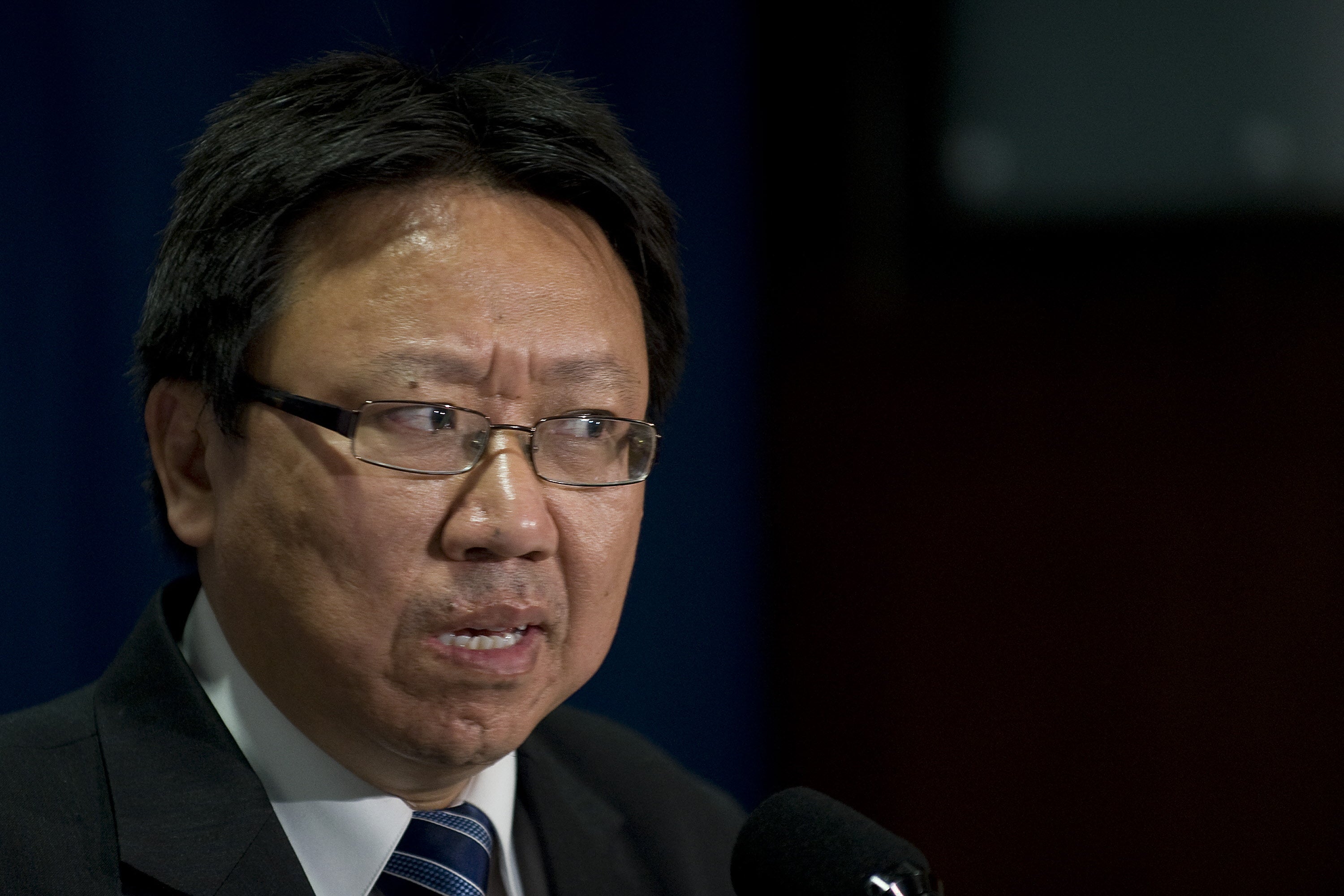
A Chinese pro-democracy activist imprisoned in the early 1990s for “counter-revolutionary propaganda and incitement,” after which he fled to the United States, claims that X, the Elon Musk-owned social network, unilaterally shuttered his account based on disinformation circulated by Beijing.
Former student leader Wilson Lei Chen, also known as Chen Pokong, says higher-ups at X took the Chinese Communist Party’s false accusations at face value, subsequently cutting him off from his 150,000 followers with “zero explanation,” according to a $2 million-plus lawsuit reviewed by The Independent.
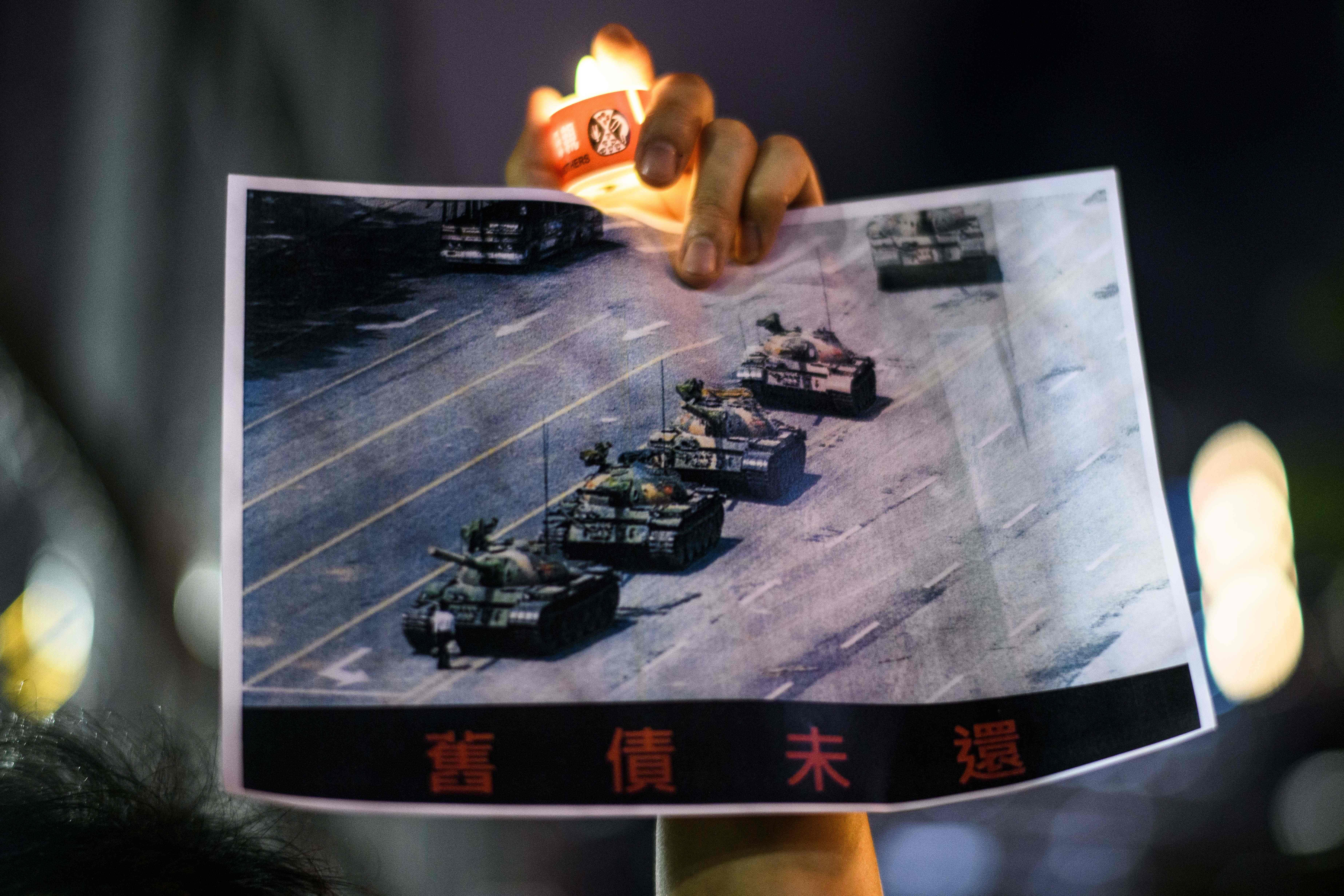
The 62-year-old Chen, a longtime critic of the CCP who helped the 1989 Tiananmen Square protestors spread their message to the south of the country, says in his complaint that his X account – which he established in 2010 – was suddenly taken offline nearly three years ago and never reinstated. Chen, who now lives on Manhattan’s Upper West Side, has “submitted several appeals,” which were “all denied immediately through identical automated responses,” his complaint states.
It says Chen, who is acting as his own lawyer, “is informed and believes that his wrongful suspension may have been influenced by: coordinated inauthentic reporting, foreign disinformation campaigns, [and] political pressure to silence dissenting voices,” all allegedly propagated by the CCP and its proxies.
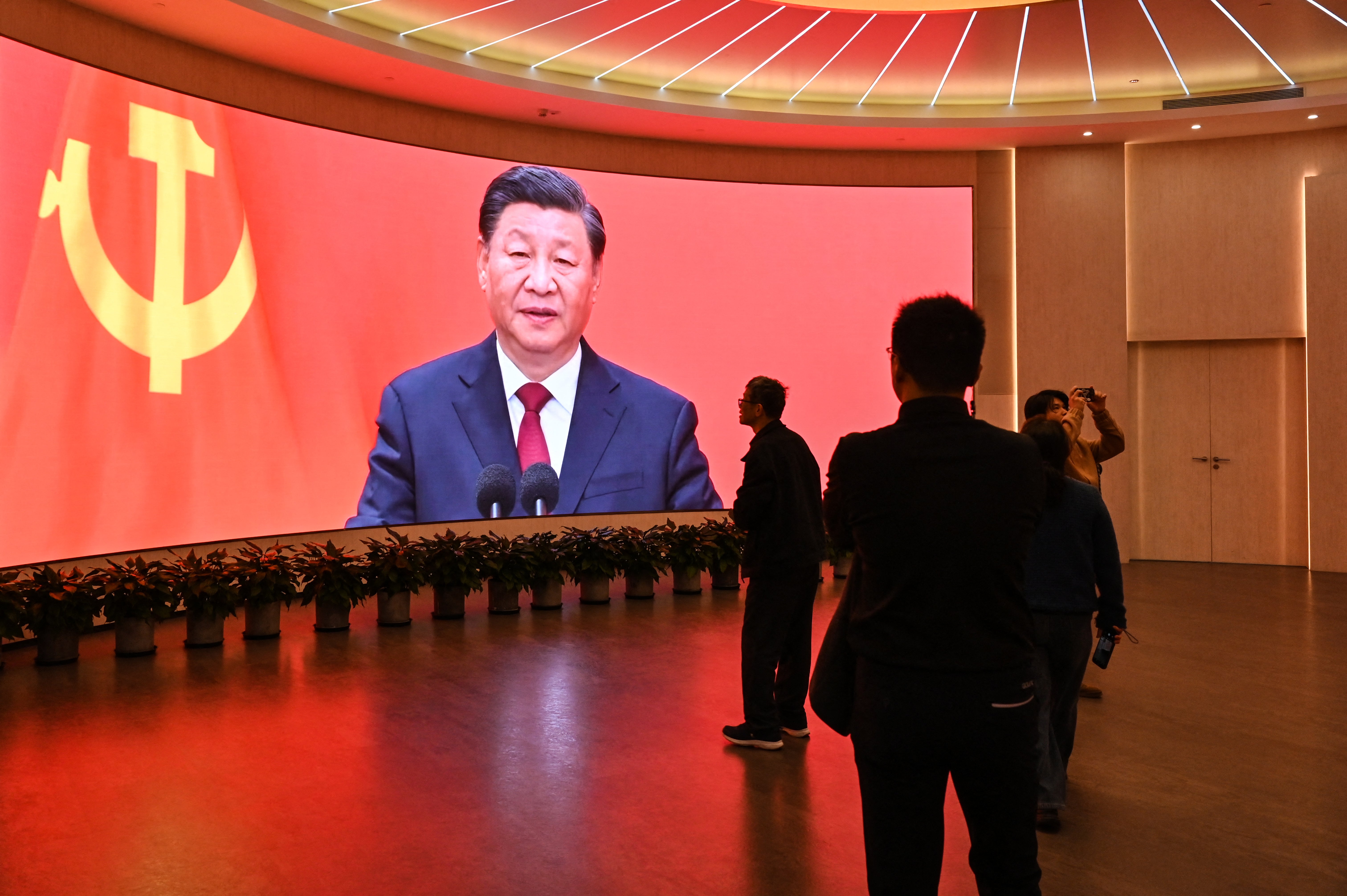
Chen was targeted for harassment online by the CCP and Chinese government security agents in what the Department of State called a multi-billion-dollar influence operation meant to shut down dissent and criticism of Beijing, according to a 2023 CNN investigation.
The years-long effort, known by various names including “Spamouflage,” “Dragonbridge,” has sought to undermine dissidents abroad, damage American companies considered hostile to China and subvert internet commentary that might be disparaging of the CCP.
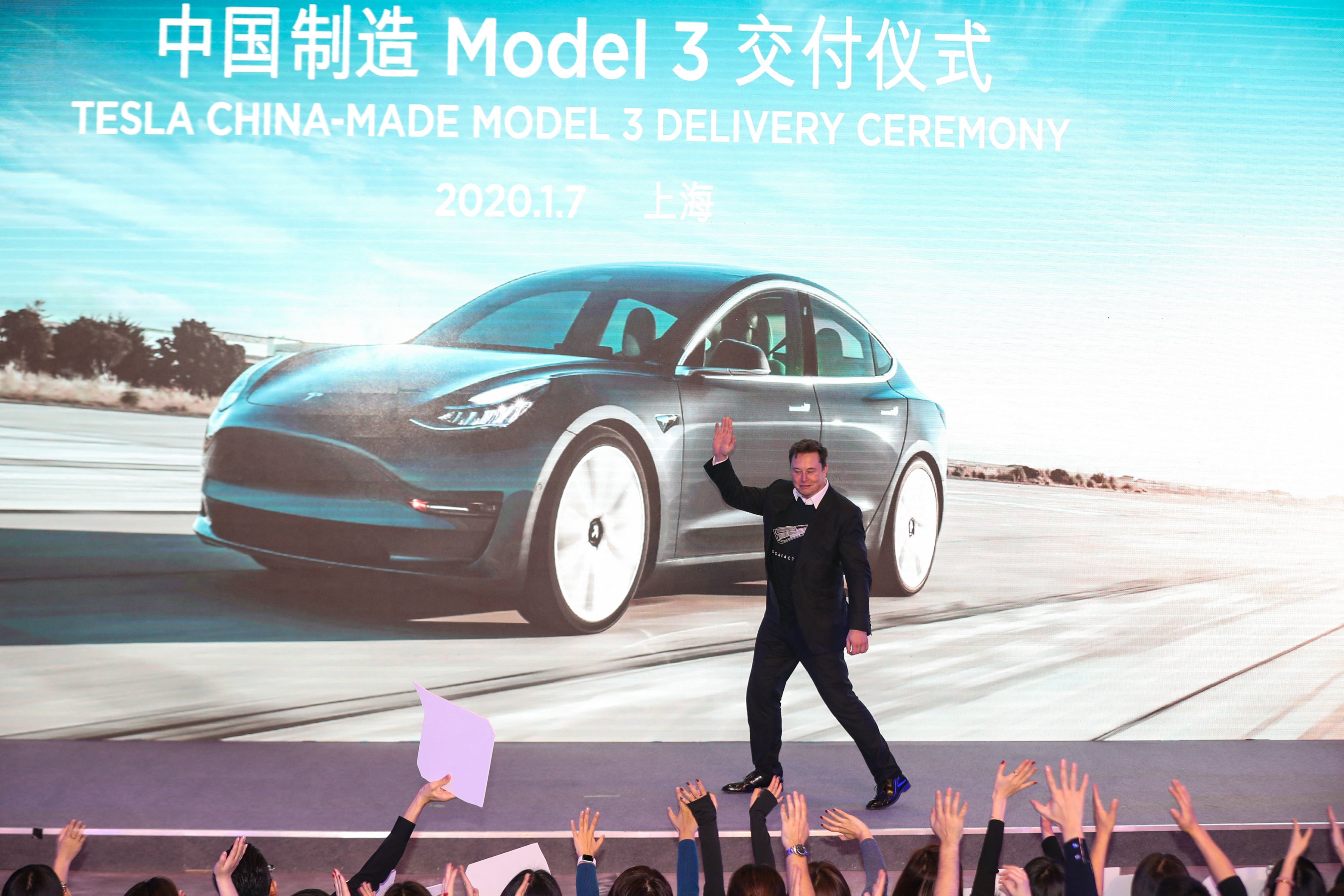
X Corp. CEO Elon Musk, the world’s richest man, has deep ties to China and the CCP, raising concerns among American officials that his relationship with Beijing could constitute a threat to national security. While X is blocked in China, it emerged last fall that Musk’s SpaceX, one of the largest and most important U.S. military contractors, has taken direct investment from Chinese nationals, according to ProPublica. And some 10 months after the U.S., the U.K. and Canada issued a joint statement in March 2021 expressing grave concern over “forced labour, mass detention in internment camps, forced sterilizations, and the concerted destruction of Uyghur heritage” in the Xinjiang Uyghur Autonomous Region in Northwestern China, Musk – seemingly unfazed – opened a Tesla showroom there.
A spokesperson for X did not respond Tuesday to a request for comment. A request for comment sent to Peter Michael Shimamoto, the attorney representing X in the matter, went unanswered.
Chen’s suit, which was first filed in New York State Supreme Court but removed to Manhattan federal court on January 5, describes him “a renowned author, columnist, political commentator, [and] dissident.”
It says he is a “longtime critic of the Chinese Communist Party,” and cites CNN’s 2023 report as having documented “extensive China-linked online harassment networks targeting… activists, democracy advocates and overseas Chinese commentators.”
“Plaintiff falls squarely into these targeted categories,” according to Chen’s complaint.
Chen’s X account served as “a major platform for his pro-democracy commentary,” until February 15, 2023, when he found himself “permanently suspended… without warning, notice or explanation,” the complaint adds.
At the time, X notified Chen that he had been kicked off the platform using what the complaint calls “a generic message: ‘Your account broke the X Rules.’” According to the complaint, the notice “never identified any specific post, any rule or any misconduct.”
Chen duly appealed the move, but was swiftly denied via auto-generated messages from X, the complaint continues. It says the content he posted on the site consisted solely of “democracy discussions, political commentary and YouTube titles – none violating X policies,” and that he “received zero explanation, contrary to X’s Terms requiring ‘notice,’ ‘explanation’ and ‘careful review.’”
“Transnational repression or foreign pressure likely contributed to the interference,” the complaint states, going on to note that X’s “arbitrary, unexplained actions align with patterns described in the CNN investigation.”
In addition to X, state-sponsored Chinese operatives have been discovered on dozens of other online platforms. Meta, which owns Facebook, Instagram, and YouTube, said in 2023 that it had shut down thousands of Chinese-run accounts for violating their inauthentic behavior policy. Executives at Meta described the covert propaganda campaign as the “largest ever” in the company’s history.
According to published reports, Chen has proof that the Chinese government has been watching him and interfering in his online activities for several years.
In April 2023, two months after Chen was locked out of his X account, nearly three dozen Chinese government operatives were indicted by a federal grand jury for targeting dissidents in the U.S. via an online disinformation campaign.
One of the operations laid out in court filings pertained to a virtual pro-democracy event Chen had hosted nearly two years earlier on Zoom, that had been derailed by trolls who threatened participants with violence and death.
The interlopers were allegedly officers with China’s Ministry of Public Security, based in Beijing, and purportedly involved hundreds of other officers and agents spread throughout the country.
However, a spokesperson for the Chinese embassy in Washington, D.C., denied any ties, telling CNN, “China always respects the sovereignty of other countries. The U.S. accusation has no factual evidence or legal basis. It is entirely politically motivated. China firmly opposes it.”
In his lawsuit against X, Chen claims his suspension has caused him “substantial economic damage,” beginning with the loss of his 150,000-strong following on the platform.
This led to a deep loss of cross-platform exposure, leading to a major cut in his YouTube viewership and revenue, along with “reputational harm, as the suspension wrongly implies misconduct,” Chen’s complaint maintains.
It says Chen has additionally suffered “emotional distress and health impacts” as a result of the “abrupt silencing of his professional voice,” and pegs his monetary damages in excess of $2 million.
Chen’s complaint further accuses X of “mislead[ing] users about moderation, appeals and enforcement,” and slams the platform for disrupting his ability, “without justification,” to communicate to his audience.
Chen is asking the court to order X to reinstate his account, the removal of all violation labels and compensatory and punitive damages.
“Without such relief,” Chen’s complaint argues, he faces “irreparable ongoing harm.”
Chen did not respond to multiple requests for comment.
Bookmark popover
Removed from bookmarks