More than 170 measles cases confirmed in outbreaks across nine states this year
Experts have blamed a decline in the rate of people taking the measles vaccine on skepticism from the Trump administration
More than 171 measles cases have been confirmed in the U.S. in the first two weeks of the year, according to new CDC data.
Outbreaks have been detected in nine states, with the spread surging to 124 new diagnosed cases in South Carolina. Although the disease was considered eliminated in the United States since 2000, there is a growing fear amongst experts that it could become endemic to the U.S. once again.
“At this rate, our outbreak will be, you know, part of the United States outbreaks that that together may, we may lose that eradicated status for a while, just because of those numbers,” David Heaton, public information officer at the Southwest Utah Department of Public Health, told ABC News. “That's kind of a discouraging threshold that we're getting closer to.”
The new cases were reported in Arizona, Florida, Georgia, North Carolina, Ohio, Oregon, South Carolina, Utah and Virginia. According to the CDC data, 165 of the 171 new cases are associated with outbreaks from 2025.
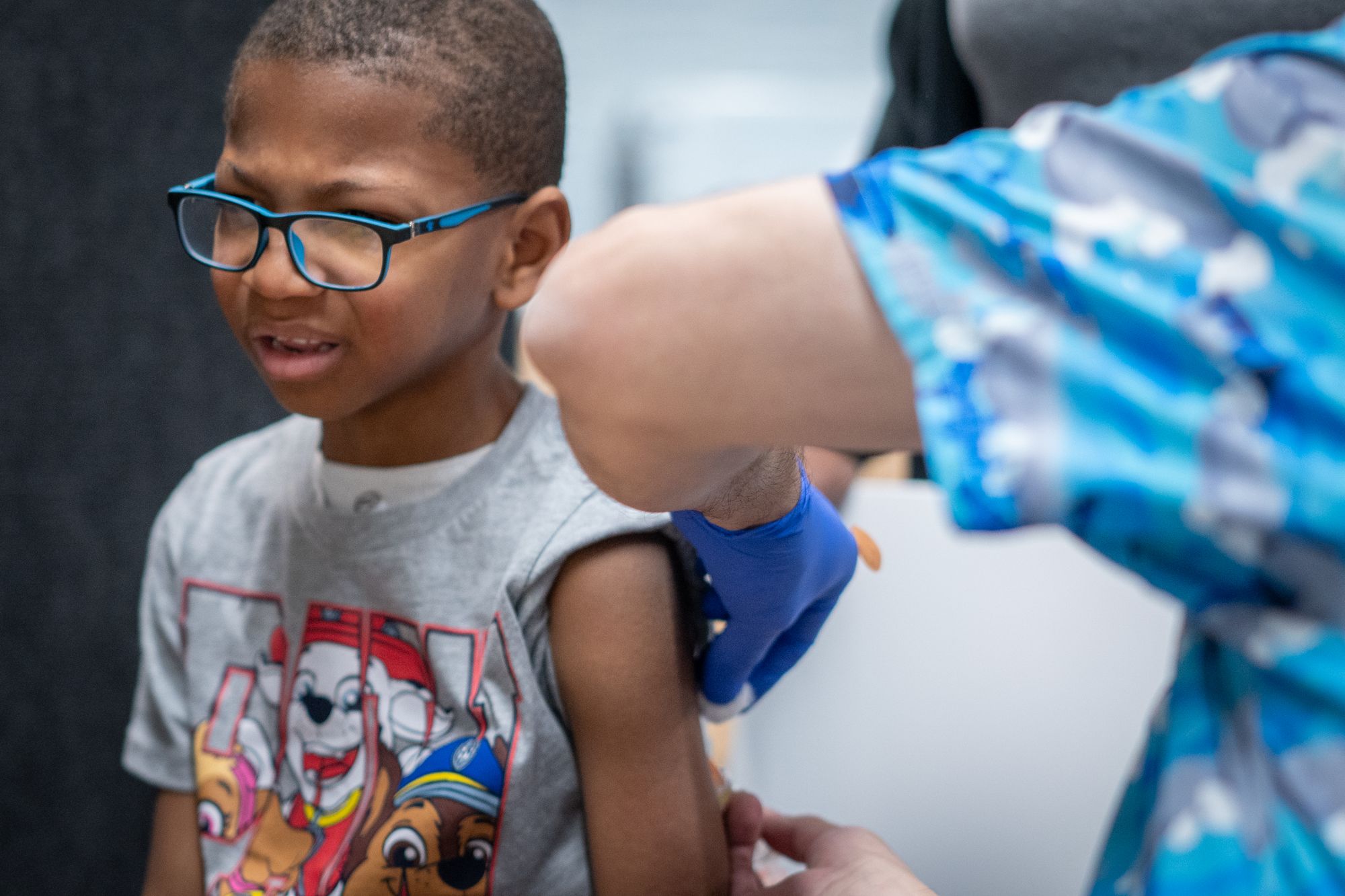
Last year saw a total of 2,242 people being diagnosed with measles in connection with 49 outbreaks. The surge in measles cases coincided with a sharp decline in the number of children being inoculated for diseases.
New research by the medical journal JAMA found that exemption rates for vaccines required to go to school have increased in 53 percent of counties across the United States, since the Covid pandemic.
Dr. Jesse Hackell, a pediatrician in New York, told CNN that the fall in vaccine rates has been caused by the spread of misinformation surrounding vaccines.
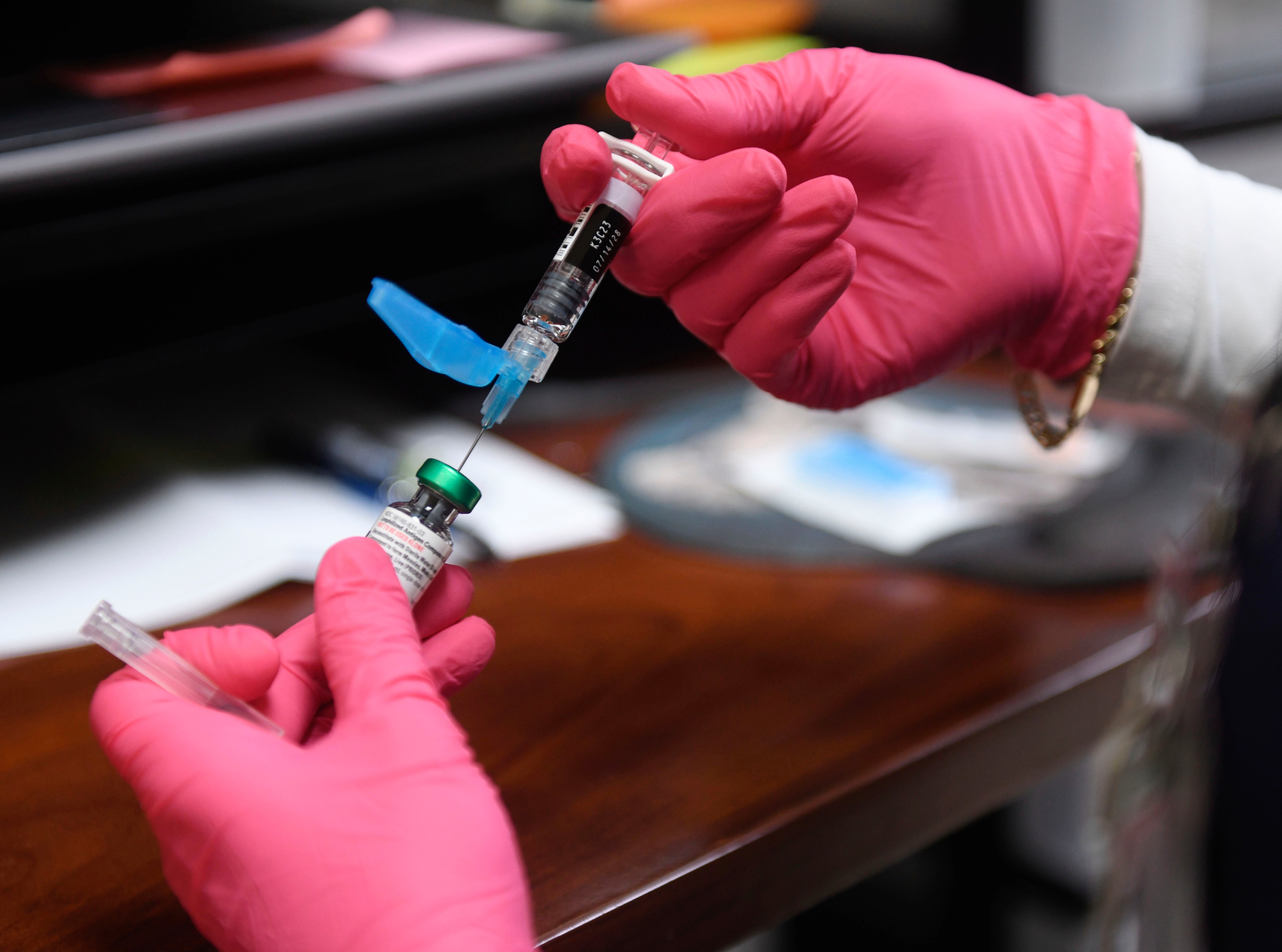
“What has changed is the politics and the misinformation behind the discussion,” he said. “But the science about the immunizations — that they’re safe, that they’re effective, that they reduce disease, that they reduce morbidity and mortality – there are no changes in that science.”
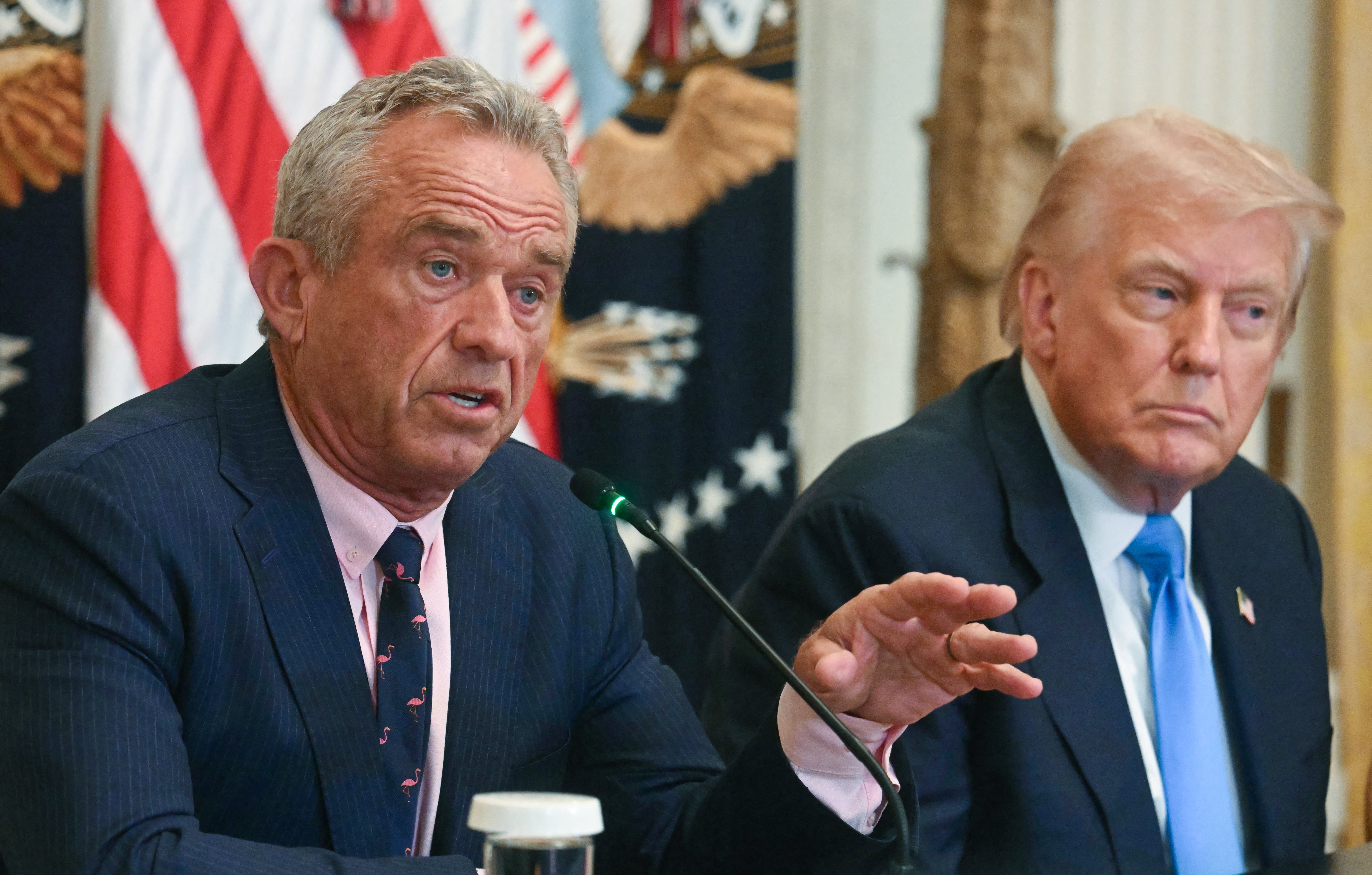
Skepticism towards vaccines has been a key element of HHS Secretary Robert F Kennedy Jr’s Make America Healthy Again mission, with both him and the president publicly questioning the efficacy of shots.
Last year, RFK Jr said that the measles vaccine leads to “deaths every year” and claimed that its efficacy wanes by 4.5 percent each year during an interview on Fox News’ Hannity. Both of those claims were disputed by FactCheck.org.
Meanwhile, Donald Trump has suggested that “there could be a problem” while Mumps, Measles and Rubella vaccines are mixed together.
Fiona Havers, a former infectious disease staffer at the CDC and an adjunct associate professor at the Emory School of Medicine, told The Hill that she thinks the surge in cases is a direct result of anti-vaccine politics.
“This is a very clear example of the damage that the anti-vaccine movement has done in the United States,” she said. “There are a number of things that have made these ongoing outbreaks very difficult to control. One is that the decades of false information about measles vaccines that [Kennedy Jr.] and other people in the anti-vaccine movement have been spreading has led to a decline in vaccination rates.”
However, a spokesperson for the Department for Health and Human Services confirmed that the federal agency stands by the measles vaccine as an effective source of prevention.
“Vaccination remains the most effective way to prevent measles,” the spokesperson said. “Secretary Kennedy has been clear and consistent on this point. Individuals should consult with their health care provider about what is best for them and their family.
“All vaccines on the updated CDC schedule remain covered by insurance.”
“Declines in measles vaccination rates and public trust preceded this Administration,” the spokesperson continued. “Trust in public health eroded significantly during the COVID mandate period. Under Secretary Kennedy, CDC surged resources and multiple states declared measles outbreaks over in 2025.”
Measles is a highly contagious disease that can lead to a high fever, a red-brown, blotchy rash and cold-like symptoms.
For children, pregnant women and people with compromised immune systems, measles can be deadly.
Join our commenting forum
Join thought-provoking conversations, follow other Independent readers and see their replies
Comments
Bookmark popover
Removed from bookmarks