Measles cases are surging across the US. Experts are blaming the nation’s anti-vaccine push
Doctors say the spread of misinformation and vaccine hesitancy are tied to the nation’s falling measles vaccine rates
Health officials announced the end of the deadly West Texas measles outbreak in August – but the threat has proven to be far from over.
Outbreaks of the highly contagious and preventable infectious disease have recently ballooned in South Carolina, Arizona and Utah.
Now, the U.S. could soon lose its decades-old measles elimination status, and experts say they know who is to blame.
The anti-vaccine movement had grown in popularity even before the Covid pandemic. But murky guidance on the measles-mumps-rubella vaccine from Health and Human Services Secretary Robert F. Kennedy, Jr., did not help, experts note.
“This is a very clear example of the damage that the anti-vaccine movement has done in the United States,” Fiona Havers, an adjunct associate professor at the Emory School of Medicine and a former infectious disease staffer at the Centers for Disease Control and Prevention, recently told The Hill.
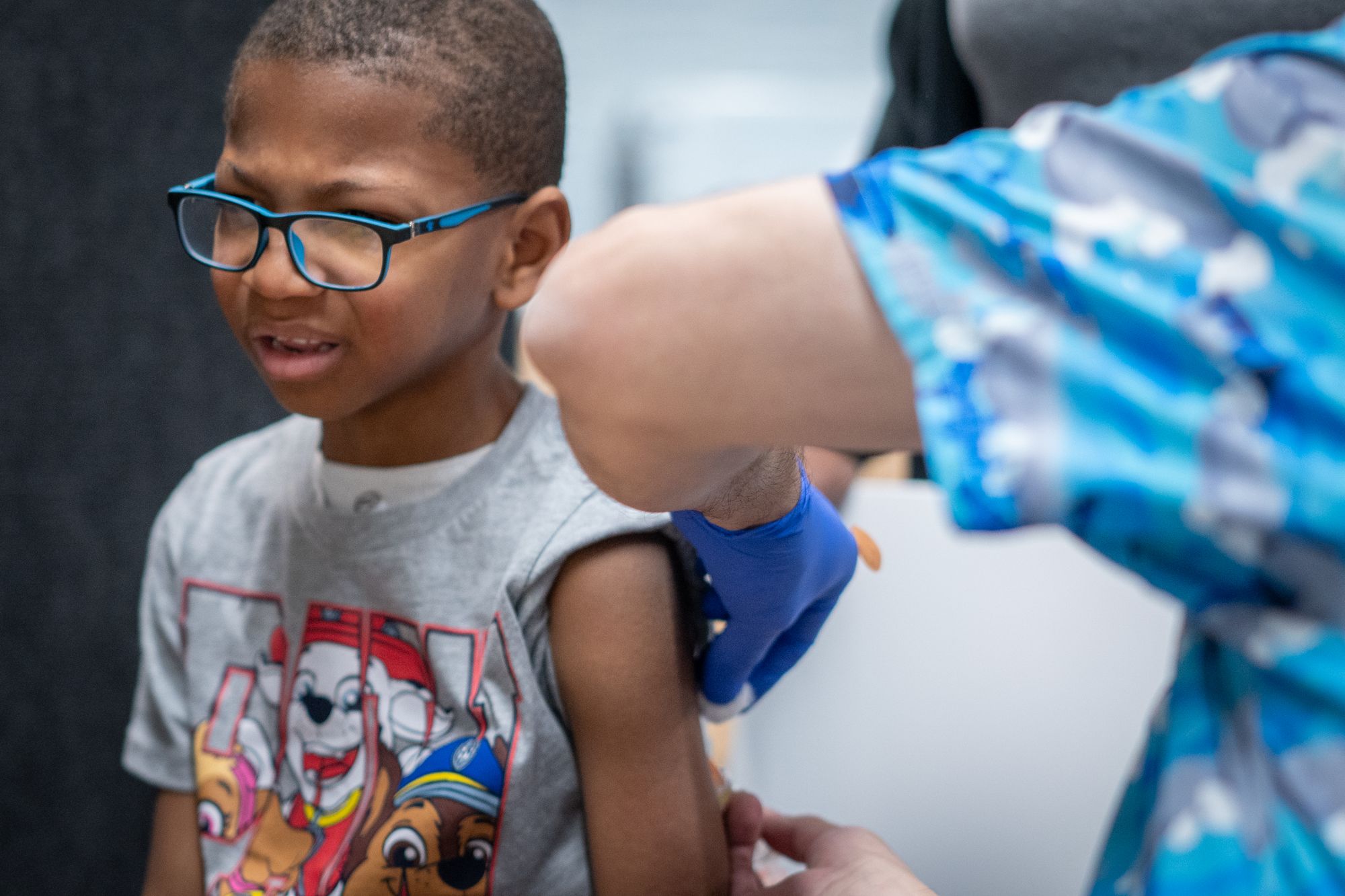
“There are a number of things that have made these ongoing outbreaks very difficult to control. One is that the decades of false information about measles vaccines that [Kennedy Jr.] and other people in the anti-vaccine movement have been spreading has led to a decline in vaccination rates,” she alleged.
“The U.S.’s political position in relation to health and vaccination is an outrage,” Rosana Richtmann, an infectious disease doctor and coordinator of the Brazilian Society of Infectious Disease’s immunization committee, told The Guardian in October, discussing the continent-wide measles surge. “It’s a problem for us.”
“Secretary Kennedy has been very clear that vaccination is the most effective way to prevent measles. Any attempts to spin this are baseless,” the Department of Health and Human Services told The Independent in an emailed statement on Tuesday. “Individuals should consult with their healthcare provider on what is best for them.”
The beginning of the end
The virus struck largely-unvaccinated communities in West Texas last January, resulting in the deaths of two children.
Kennedy endorsed the measles-mumps-rubella shot in April. But he had previously made “misleading” claims about the vaccine’s effectiveness, according to non-profit FactCheck.org.
Kennedy also said he would be testing unproven treatments for measles, such as cod liver oil, and said he was shipping vitamin A to the outbreak’s epicenter.
”Good nutrition remains a best defense against most chronic and infectious illnesses,” he said.
Kennedy praised the work of a doctor who had been known for discussing the danger of vaccines. In May, the secretary even claimed that the vaccine was made with “aborted fetus debris.”
Inaccurate and misleading statements about the vaccines – including a false link to autism – spread at the height of that outbreak, according to a KFF Health poll.
The poll cited the impact of Kennedy’s remarks, as well.
However, child immunization rates had already been falling from 95 percent to less than 93 percent by the 2023 to 2024 school year, according to researchers.
Doctors say falling measles vaccine rates are tied to increasing vaccine hesitancy and the spread of misinformation about vaccine safety.
"In the case of MMR, historically, we've been very close to elimination within the United States, and that makes it hard to understand the rationale for being vaccinated or getting your children vaccinated," Dr. Whitney Harrington, an associate professor of pediatric infectious diseases at the University of Washington, told ABC News.
"And then I think, in combination, as we've seen less exposure to these diseases, at the same time, there's been rising concern about safety of vaccines, and more vaccine hesitancy among parents and families."
The percentage of children vaccinated by the age of two is 90.8 percent, according to recent data, or nearly five percent below target.
Two doses of the measles-mumps-rubella vaccine are 97 percent effective against infection. That’s how the U.S. reached its elimination status initially in 2000.
Measles across America today
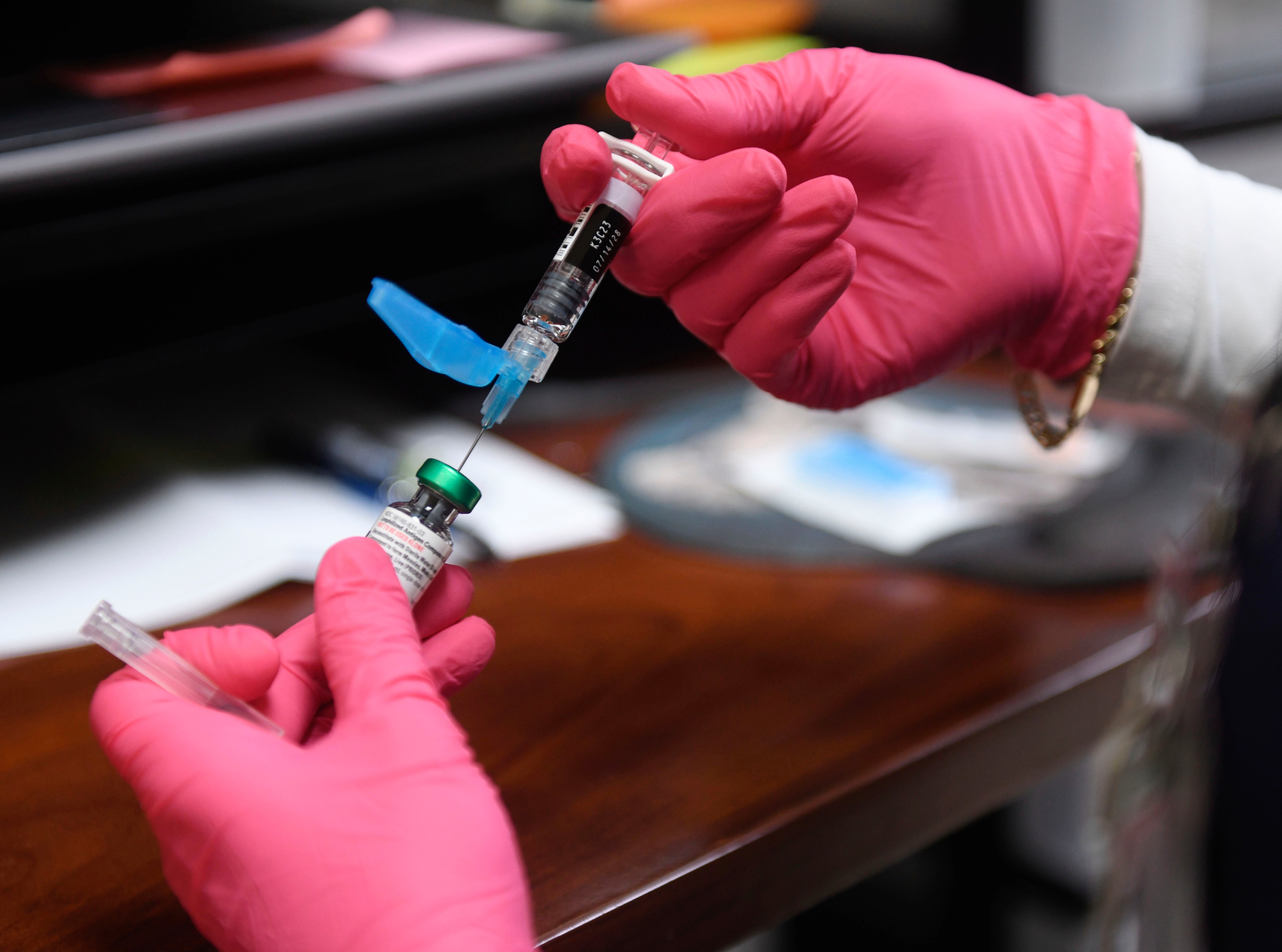
During and after the West Texas outbreak, health authorities in other states traced cases to cities and major airports across the country, with more infections in unvaccinated individuals.
There have been 1,912 confirmed cases and three confirmed deaths to date, according to the CDC, as well as 47 outbreaks.
The majority of confirmed cases – 88 percent – are related to outbreaks, such as those in South Carolina, Arizona and Utah.
There are 129 measles cases in and around Spartanburg County, South Carolina, with 303 people in quarantine and 13 in isolation. Many of the exposures there have been traced back to schools or a church in Inman and 122 of the cases were known to be unvaccinated or only partially vaccinated.
Arizona has seen 176 cases this year, with 97 percent of those cases unvaccinated. Utah has reported 115 cases, with at least 26 diagnosed with measles within the last few weeks.
The majority of these cases were due to an outbreak that has expanded since August.
If these cases continue to spread, the nation’s elimination status could be upended. The status indicates that there has not been continuous spread of the infectious disease for more than a year.
Still, the fact remains that measles is spreading in the U.S. – and “we can already say the damn house is on fire,” Dr. Michael Osterholm, the director of the Center for Infectious Disease Research and Policy at the University of Minnesota, told The Hill.
“We don’t need to wait for one more smoke alarm to go off to know that’s happening,” said Osterholm. “Whether we formally lose that elimination status, to me, isn’t even that important in the sense of we already know we’ve got a terrible, terrible problem on our hands.”
This article was updated on December 16, 2025, to include a statement from the Department of Health and Human Services and to amend a statement about reporting from The New York Times, which the publication has corrected.
Join our commenting forum
Join thought-provoking conversations, follow other Independent readers and see their replies
Comments
Bookmark popover
Removed from bookmarks