How Jesse Jackson helped to make the term ‘African American’ mainstream
He saw it as a way to reflect the community’s heritage
The Rev. Jesse Jackson, who died Tuesday at the age of 84, was instrumental in advocating for the widespread adoption of the term "African American" as a means of reclaiming cultural identity and dignity.
A protégé of the Rev. Dr. Martin Luther King Jr., Jackson joined members of the NAACP and other prominent leaders in the late 1980s in their push to replace outdated terms like "coloured" and "blacks".
They wanted a designation that better reflected the community’s ancestral heritage.
"To be called African Americans has cultural integrity — it puts us in our proper historical context," Jackson said at the time.
"Every ethnic group in this country has a reference to some base, some historical, cultural base."
Jackson, a two-time presidential candidate who led the civil rights movement for decades after King’s assassination, had a rare neurological disorder. He died at his Chicago home, surrounded by family, his daughter Santita Jackson confirmed on Tuesday.

Over his lifetime, Jackson advocated for poor and underrepresented people getting voting rights, jobs and educational opportunities, and he amplified calls for Black pride.
He thought a change in terminology — one that came from within the Black community itself — would help boost self-esteem.
“African American” was used by some scholars long before the push by Jackson and the NAACP, but it didn't enter the common vernacular until the reverend drummed up community support.
The term appears as early as 1782 on a title page to a pamphlet of a sermon “By an African American” published in Philadelphia, according to research by Yale law librarian Fred R. Shapiro.
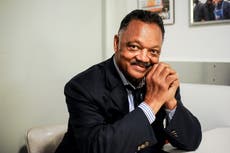 Jesse Jackson: Civil rights icon who built on mentor Martin Luther King Jr’s legacy and inspired a generation
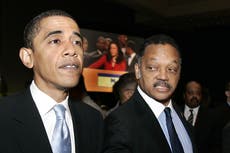 How Rev. Jesse Jackson paved the way for Obama and changed politics forever
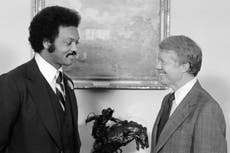 How young Jesse Jackson ruffled feathers with his early crusades - and hit back at critics
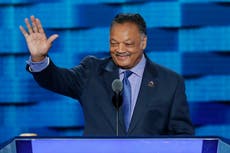 Jesse Jackson’s most iconic speeches as civil rights leader dies aged 84
 The life of civil rights icon Reverend Jesse Jackson in photos
Jackson took cues from movements in other minority groups that were also pushing to change how they were labeled or recognized.
Debates had arisen in the 1990s over the terms “Latino” and “Hispanic.” And Asian Americans had just successfully lobbied the U.S. Census Bureau to get Native Hawaiians and other Pacific Islanders listed for the first time in the 1990 census.
Although the popularization of “African American” came too late for the census that year, the agency did put out guidance that “Black or Negro includes African-Americans.”
Sociologist Walter Allen, who is Black, called the adoption of the term “a significant psychological and cultural turning point” in a January 1989 article in the New York Times.
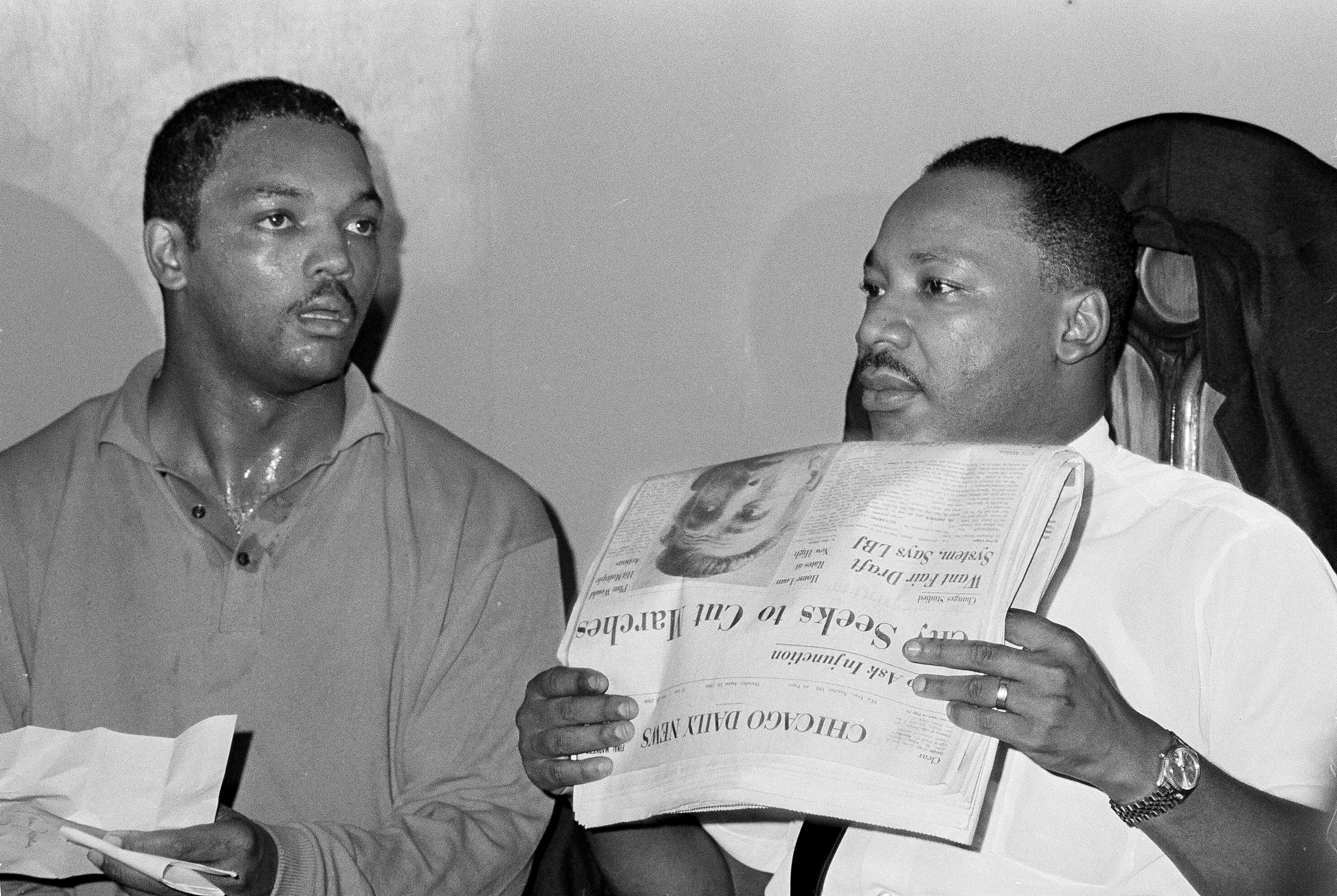
That came a month after Jackson convened a meeting of 75 Black groups, including fraternities, sororities, advocacy organizations and social groups, in which organizers said there was “overwhelming consensus” in favor of the change.
Some school districts in Chicago and Atlanta were quick to adopt the term and incorporate it into their curriculum.
Now the terms “Black” and “African American” are often used interchangeably in the U.S., though “Black” is often seen as more inclusive. It's broader and can include people from Latin America and the Caribbean.
Those who dislike the term “African American” say it puts a modifier on their American identity or suggests a modern, personal link to Africa that doesn't necessarily reflect their lived experience.
Bookmark popover
Removed from bookmarks