Inside the controversy over Flock, the AI surveillance company whose data is being fed to ICE
Cities across the nation are cutting ties with the Atlanta-based police tech firm after revelations that Donald Trump’s deportation squads have repeatedly gained access to its data. Io Dodds reports
The December 16 debate inside the council chamber in Oakland, California, was fierce, and stretched from lunchtime into the evening.
"You are doing more to advance Trump’s agenda in Oakland than anyone," one citizen admonished the council.
"My parents were Holocaust survivors. They were hunted like animals by an authoritarian, white supremacist regime,” said another. "We're seeing a frighteningly similar playbook in the US today... a yes vote on the flock contract will make you complicit.”
"Too many crimes in Oakland go unresolved because there is not enough evidence to hold offenders accountable!" preached a speaker with the opposite view. "Communities deserve safety, evidence, and justice!"
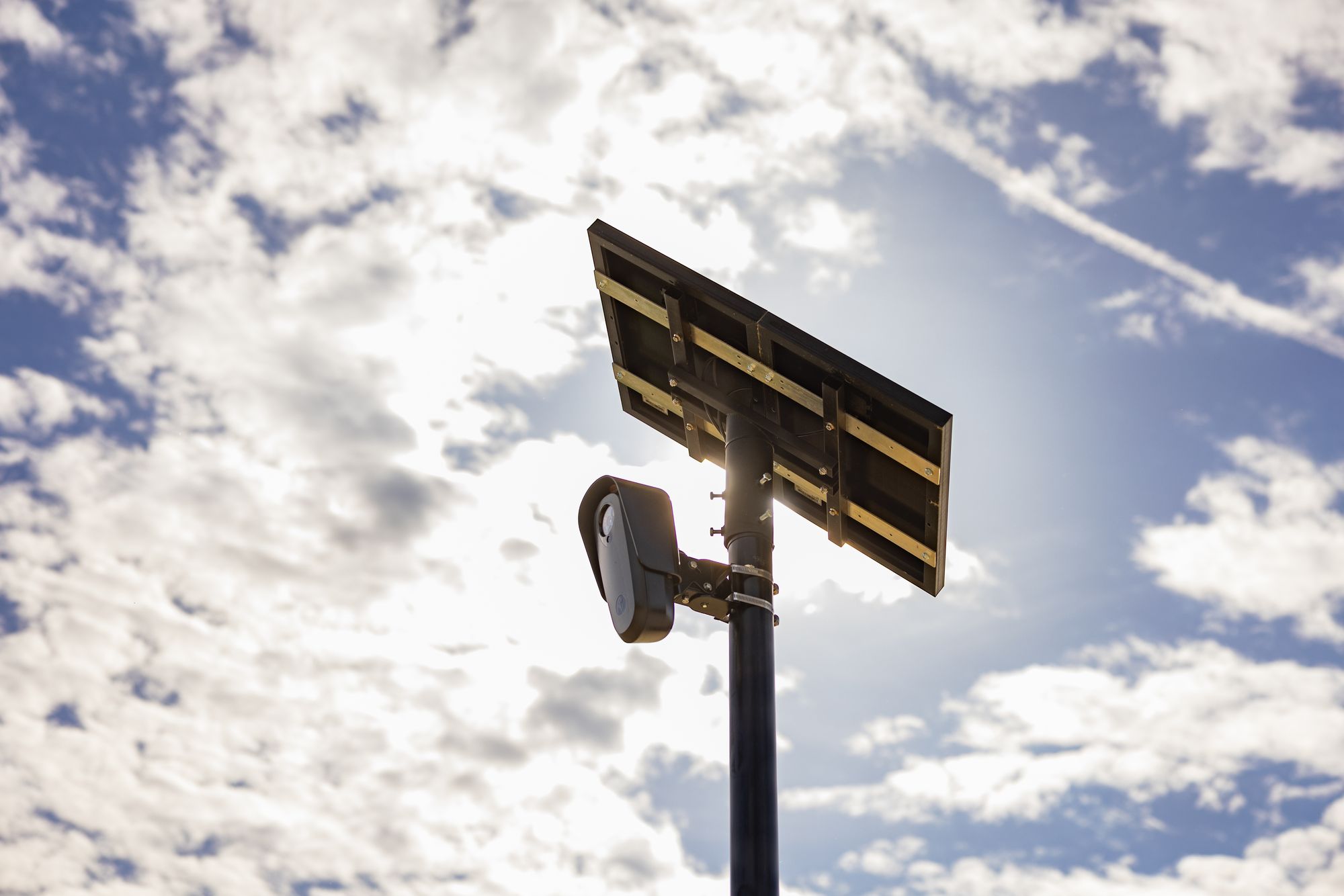
At issue was a fast-growing Atlanta-based tech start-up called Flock Safety, which operates tens of thousands of AI-enabled number plate recognition cameras in more than 5,000 communities across 49 U.S. states. These cameras have rapidly spread throughout the country based on a pitch many local leaders find irresistible: dramatically cut crime by making it easier for cops to track missing persons and dangerous criminals.
The company trumpets its role in busting theft rings and bank robbers, catching alleged child kidnappers and even tracking down the gunman who killed three and wounded nine at Brown University last month.
But now many cities are cancelling or suspending their subscriptions after a string of scandals over Flock's data being accessed by immigration authorities racing to fulfill Donald Trump's mass deportation agenda — a concern only made more urgent by the fatal shooting of Renee Good in Minneapolis by ICE agents.
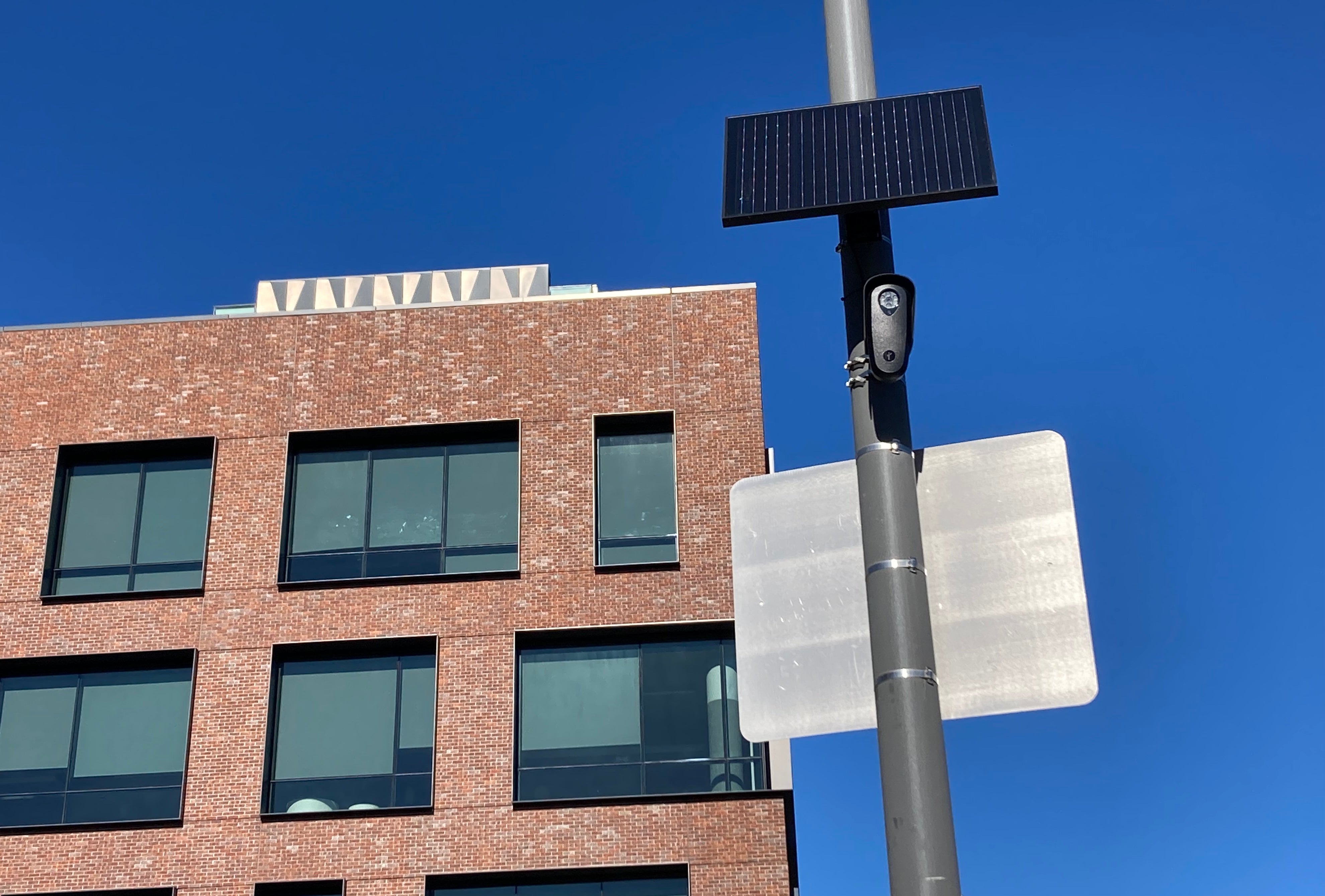
Among the cities that have ended or paused their relationships with Flock are Austin, Texas, Cambridge, Massachusetts, Olympia, Washington, Santa Cruz, California, Eugene, Oregon, Oak Park, Illinois, Staunton, Virginia, Flagstaff, Arizona, and Hillsborough, North Carolina.
"They didn’t just mislead us; it's coming out that they they’ve misled a lot of people," alleged William Paige, a city council member in Mountlake Terrace, Washington, who previously voted “yes” to working with Flock, in a September meeting.
"I feel like I’ve been played. And it doesn’t feel good."
How local police share Flock data with ICE
Flock was founded in 2017 in the Atlanta metro area by three George Tech alumni, starting with handmade cameras built around the dining room table. After a local detective credited the tech with solving a burglary, CEO Garrett Langley advised his co-founders to quit their jobs.
"I think we run a risk today as a country that a generation of people will not believe America works for them because they don’t feel safe," Langley told CNN last month. "It’s too easy to get away with crime in America."
Using a technology known as automated license late recognition, Flock's cameras can track cars around the country, continually logging their location. Law enforcement clients can search not only by plates but by color or brand of vehicle.
In many places, courts have ruled that this does not require a warrant. Even some retail chains, such as Home Depot and Lowe's, have reportedly embraced Flock's products.
Crucially, Flock says the resulting data is owned and controlled by clients, not by the company. Each customer decides who else can see their data and how it gets used. But Langley himself has said that data sharing between different agencies is critical to his vision.
Indeed, the company told Congress in August that 75 percent of its customers were enrolled in its "national lookup" network, which lets every member search every other member's data. The result is a vast pool of information on Americans' everyday movements that has often found its way into federal hands, officially or unofficially.
In May, an investigation by the tech news site 404 Media found that cops from across the country had used this network to perform thousands of immigration-related searches on behalf of federal agencies. While some might have been about serious crimes committed by immigrants, many searches gave extremely vague reasons such as "immigration" or "ICE."
That pattern has repeated across the country, even in places with immigration sanctuary laws. Cities have been forced to cut off access to federal agencies that used their Flock data for immigration enforcement, or discipline officers who shared their login details with federal agents.
In August, Flock admitted that it had been secretly running a pilot program to give direct access to the Department of Homeland Security — despite previously denying any federal contracts. “Due to internal miscommunication, customers were inaccurately informed that Flock did not have any relationship with DHS," the company told Congress.
To privacy advocates, it effectively amounts to a massive nationwide surveillance system that logs the movements of criminals and law-abiding citizens alike.
According to AP, the U.S. Border Patrol is mass-monitoring millions of American drivers via unspecified license plate systems, then stopping and questioning any deemed to have shown "suspicious" travel patterns. Authorities have also reportedly used Flock data to investigate people at “No Kings” and anti-ICE protests.
'Spin the facts and shift the blame'
Over the past year, Flock says it has worked hard to tighten its rules. It has "paused" all federal pilot programs, banned feds from nationwide and statewide searches and banned them from accessing data from sanctuary states.
It now lets customers block any outside searches relating to civil immigration enforcement, abortion or transgender healthcare, while requiring all searchers to specify a criminal offense category rather than just a vague reason like “investigation” or “crime.”
Critics, however, argue that the company has already shown it cannot be trusted. In one chilling example last year, Texas cops searched Flock for a woman who'd "had an abortion." When this was exposed, the sheriffs insisted this was actually just a missing persons case to ensure the woman's safety. Flock loudly echoed his claim, decrying "activist journalists" for spreading "clickbait.”
But public records revealed that in fact the sheriffs were investigating the death of the woman's fetus, and discussed whether she could be criminally charged. Reportedly, the documents never mentioned her "safety" until after the story came out.
"Flock has not taken responsibility for the harms it has enabled, and has instead attempted to spin the facts and shift the blame to others," wrote Democratic senator Ron Wyden in a scorching letter to the company. "I now believe that abuses of your product are not only likely but inevitable, and that Flock is unable and uninterested in preventing them."

In response to detailed questions from The Independent, a Flock spokesperson said: "Feel free to see our website. We have no additional comment."
In Oakland, at least, the city council ultimately opted to extend their contract with Flock, albeit with numerous new safeguards. The police force said Flock had been responsible for 10 percent of arrests and was "one of the most effective crime-fighting technologies" it had.
Meanwhile, in the suburbs of Chicago, residents reportedly caught Flock workers reinstalling cameras that the city had ordered to be taken down, without any official authorization, leading officials to manually cover up their lenses.
"We disagree, respectfully, with any assertions that we have broken the law," the company said.
Bookmark popover
Removed from bookmarks