In potentially groundbreaking ruling, Uber ordered to pay $8.5M to sexual assault victim
Documents shown in court showed the woman’s ride was flagged as high-risk for a serious safety incident, though Uber did not warn her
A federal jury in Phoenix ordered Uber to pay $8.5 million to a passenger Thursday who said she was raped by a driver, deeming the driver an agent of the rideshare company in a verdict that could influence thousands of similar cases nationwide.
The nine-member jury awarded the compensatory damages to Jaylynn Dean, who was 19 at the time of the alleged assault. Dean said she suffered lasting harm after an Uber driver raped her during a November 2023 ride to her hotel from her boyfriend’s apartment in Tempe, Arizona.
Uber has long maintained that it is not responsible for the misconduct of drivers, classifying them as independent contractors rather than employees. However, jurors in Dean’s case rejected that argument, concluding the driver was acting as an agent of Uber at the time of the assault, making the company legally responsible.
The trial was the second bellwether case in a multidistrict litigation consolidating more than 3,000 sexual assault and sexual misconduct claims against Uber.
In the first bellwether trial, a California jury ruled that Uber is not liable for the sexual assault of a woman who said she was attacked by her driver during a ride she booked through the app. Bellwether trials are designed to test legal arguments and evidence, helping shape how remaining cases may be valued or resolved, though the verdict does not determine the outcomes of other lawsuits.
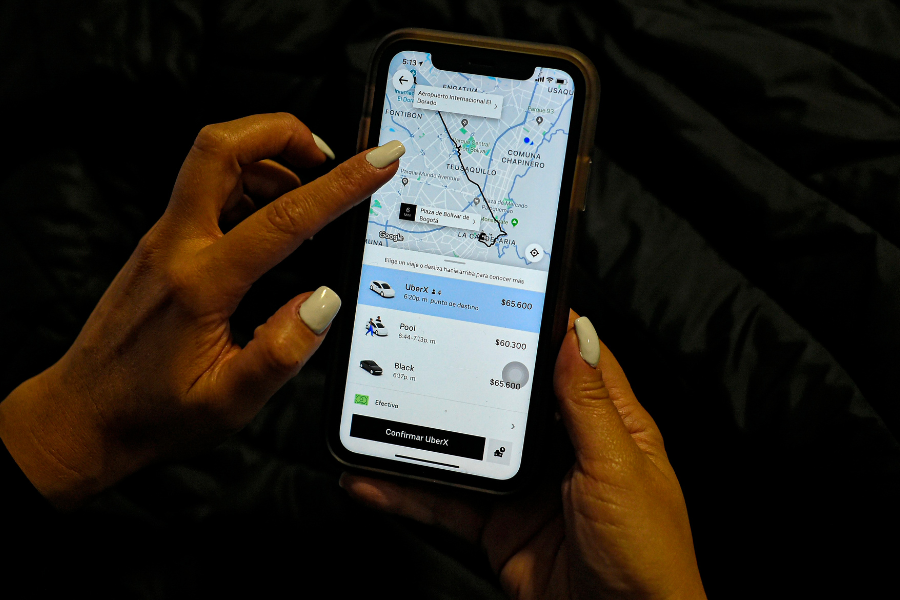
Over the course of the three-week trial, jurors heard Dean’s detailed account of the alleged assault alongside testimony from Uber executives and reviewed extensive internal company documents, the New York Times reports. Some records indicated Uber had flagged Dean’s ride as higher risk shortly before pickup, particularly because she was a woman traveling alone at night, but she was not warned.
An Uber executive testified that issuing such a warning would have been “impractical,” while Dean’s attorneys argued it could have prevented the assault, according to the outlet.
Dean described how, after celebrating passing a test for her flight attendant training, she ordered an Uber ride back to her hotel while intoxicated. She accused the driver of asking her harassing questions on the ride before pulling into a dark parking lot, climbing into the backseat, and raping her.
She reported the assault to police and Uber, which banned the driver, though he was not criminally charged or named in the lawsuit.
The attack derailed Dean’s career plans, prompting her to move back home to Oklahoma, she said. She now works as an emergency medical services dispatcher while attending nursing school and continues to experience trauma, including fear of the dark, sleeping with the lights on, and sometimes even in her parents’ bed.
“I want to make sure it doesn’t happen to other women,” Dean said on the witness stand, according to the Times. “I’m doing this for other women who thought the same thing I did, that they were making the safe and smart choice — but that, you know, there are risks of being assaulted.”
Uber’s lawyers reportedly said that the driver had no criminal history, was highly rated and had completed training. They also highlighted the company’s safety measures, including risk-assessment technology and public reporting of incidents.
Meanwhile, Dean’s attorneys presented documents suggesting Uber resisted implementing certain safety measures, such as in-car cameras, out of concern that additional safeguards could slow company growth.
In closing arguments, Dean’s lawyer said Uber marketed its service as a safe option for women traveling late at night, despite internal knowledge of “substantial risk factors” that left riders vulnerable.
The jury awarded far less than the $144 million Dean’s lawyers sought, declining heavier penalties because it did not find Uber’s actions “outrageous, oppressive or intolerable” or creating substantial risk or significant harm.
“This verdict affirms that Uber acted responsibly and has invested meaningfully in rider safety,” an Uber spokesperson told The Independent.“We will continue to put safety at the heart of everything we do.”
The spokesperson added that the company plans to appeal the verdict, arguing that the court provided improper instructions to the jury.
From 2017 to 2022, Uber received a report of sexual misconduct from U.S. riders every eight minutes, totaling over 400,000 trips, though its 2022 safety report listed only 12,522 incidents, the Times reported in August.
Uber responded days after the Tunes report, claiming most of the 400,000-plus misconduct reports were minor, non-physical incidents like flirting or staring. Many reports have not been thoroughly vetted, and serious assaults were extremely rare, affecting just 0.00002 percent of U.S. trips — about 1 in 5 million.
Bookmark popover
Removed from bookmarks