Six families sue TikTok after their kids die trying viral ‘choking challenge’
The families’ lawyer has accused TikTok of exposing children to ‘material they can't turn away from’
Six families have sued TikTok after their children died while allegedly attempting a viral choking challenge on the social media platform.
The case centers on a Delaware family and five others from the United Kingdom, all of whom were late teenagers aged 11 to 17. Their families have claimed they took part in a trend called the “Blackout Challenge.”
According to the six families, the “Blackout Challenge” encourages users to choke themselves until they pass out.
Delaware resident Michelle Ortiz says that her son, Jaedon Bovell, was one of the teenagers killed while attempting the challenge. Her son died in 2020, while others named in the lawsuit would pass away a year later.
Speaking to Delaware Online, the bereaved mom hopes the lawsuit will stop other families from experiencing an early loss.
"I’m not doing this for any other reason than I don’t want another mother to feel this way," she said.
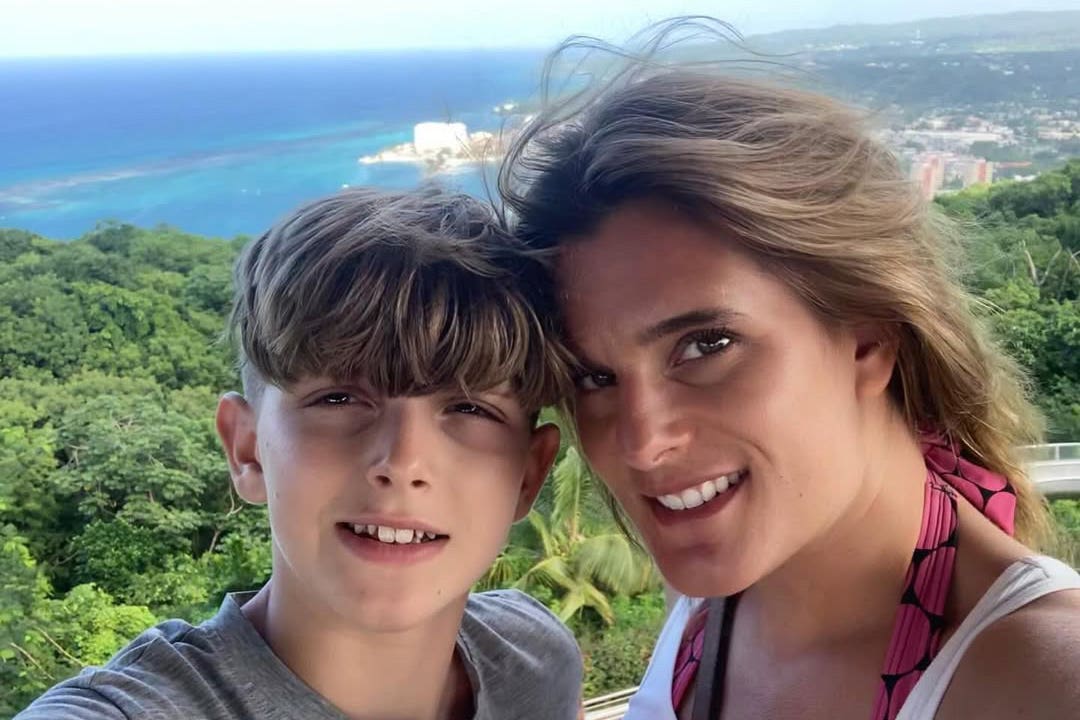
In a separate interview with ABC 6, she warned that the huge range of content on TikTok could expose children to concepts they are too young to understand.
"Children make decisions not knowing finality like adults do, and they bank on this,” Ortiz said.
The lawsuit, seen by ABC 6, was filed in the Superior Court of the State of Delaware. In the document, TikTok and its parent company, ByteDance, are accused of causing wrongful death.
Matthew Bergman, an attorney representing the families, told ABC 6 that “dangerous content” is too easily recommended to children on the social media site.
"TikTok has a For You page that deluges young people, young kids with dangerous material," Bergman told ABC 6. "In this case, dangerous choking challenges. Not material kids want to see, material they can't turn away from."
He is supporting the families in their attempt to pass Jools’ Law, a piece of legislation named after alleged “Blackout Challenge” victim Julian “Jools” Sweeney.
The law would require social media companies to preserve a child’s online and social media data within five days of their death.
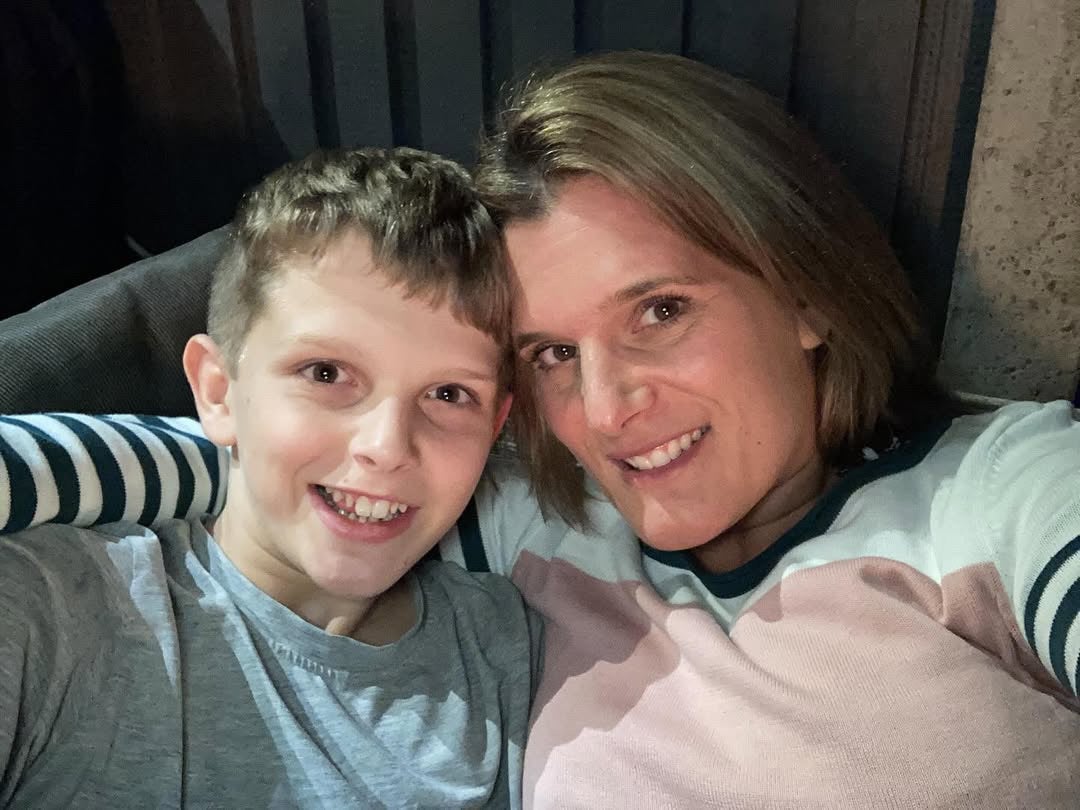
Jools’ mom, Ellen Roome, told the BBC that the company will only be legally required to release her son’s data if the court case moves to the next stage.
"I want to see what my child was looking at, and if it is social media, I want accountability,” she said. "Social media companies are feeding our children harmful material.”
TikTok told Sky News, though, that the data has likely been deleted due to privacy laws in the U.K. and the U.S, making it difficult to determine exactly what content was viewed by the late teenagers.
The case is still in the early stages, with the court hearing a motion to dismiss the civil case on Friday.
At the hearing, TikTok argued that the law would violate the First Amendment, according to ABC 6. The tech company has also argued that the Communications Decency Act exempted internet companies from any liability for content generated by third parties, such as social media influencers.
While addressing the court, TikTok’s representatives argued that the Delaware-based court lacks jurisdiction over the British cases, although Bergman told ABC 6 that this is “not the first time foreign nationals have sought justice in a U.S. court.”
The other families whose children allegedly died while attempting the blackout challenge shared similar stories to Ellen Roome and Michelle Ortiz.
Louise Gibson told Sky News that her son, Noah, died at the age of 11 in December 2021. He was found unresponsive in his bedroom by his brother.
Louise and Noah’s sister tried desperately to resuscitate him, but were unsuccessful.
"When I was checking Noah's phone, I was looking for messages from school friends. I was looking for bullying,” she told Sky News. "I never thought to check social media to see what he'd been looking at," said Louise.
Archie Battersbee, Isaac Kenevan and Maia Walsh all allegedly died while attempting the same challenge, according to the BBC, with their families also filing the lawsuit.
“Our deepest sympathies remain with these families,” a TikTok spokesperson told The Independent. “We strictly prohibit content that promotes or encourages dangerous behaviour.
“Using robust detection systems and dedicated enforcement teams to proactively identify and remove this content, we remove 99% that's found to break these rules before it is reported to us,” the spokesperson continued. “As a company, we comply with the UK’s strict data protection laws.”
Bookmark popover
Removed from bookmarks