Nick Reiner’s history of addiction and the movie his father Rob Reiner made about it years before fatal stabbing
Nick Reiner, 32, arrested and being held on $4M bail after celebrated parents found dead in LA home
Nick Reiner, son of Hollywood movie director Rob Reiner, has been charged with two counts of first-degree homicide after his father and mother, Michele Singer Reiner, were found stabbed to death at their Los Angeles home.
The bodies were discovered Sunday afternoon by the director’s daughter, Romy Reiner, according to People magazine. Initial reports said that a family member was being questioned by police.
Nick Reiner, 32, was arrested at 9:15 p.m. at a Santa Monica hotel Sunday evening and booked into jail around 5 a.m. Monday. He is currently being held at the Twin Towers Correctional Facility in Los Angeles with no bail, according to sheriff’s records.
Born on September 14, 1993, Nick Reiner is the couple’s middle child – he has an older brother, Jake, and Romy is his younger sister. Nick Reiner has previously claimed that he “didn’t bond a lot” with his famous father during childhood.
He has a well-known history of heroin addiction, which began when he was a teenager and saw him enter rehab on at least 17 occasions, beginning at age 15. He has experienced homelessness a number of times in a number of states, he has said.
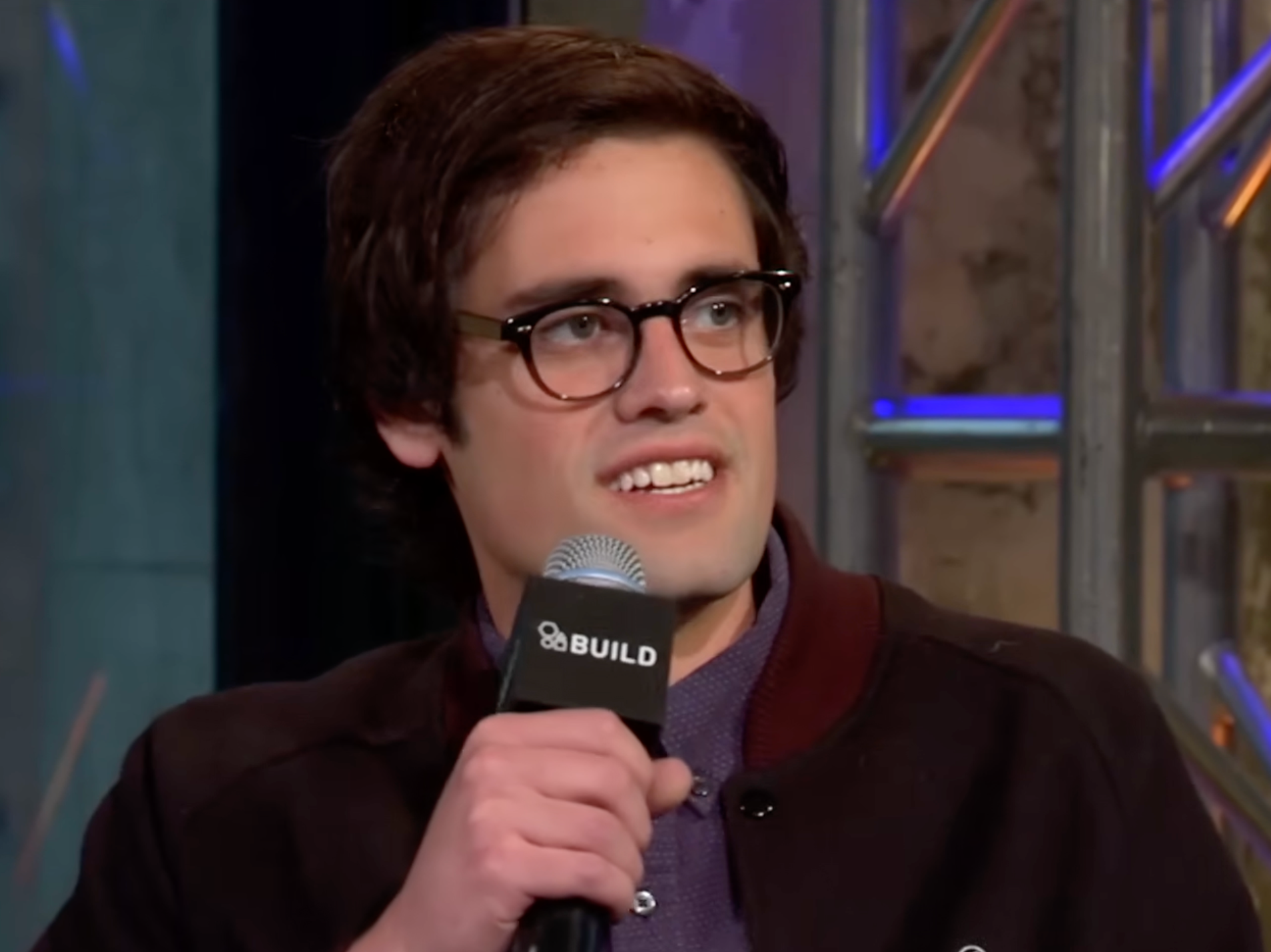
“I was homeless in Maine. I was homeless in New Jersey. I was homeless in Texas,” he told People in a December 2015 interview. “I spent nights on the street. I spent weeks on the street. It was not fun.”
But, he added: “If I wanted to do it [recovery] my way and not go to the programs they were suggesting, then I had to be homeless.
“When I was out there, I could’ve died. It’s all luck. You roll the dice and you hope you make it.”
He subsequently channeled his experiences into a semi-autobiographical screenplay, co-written with his friend Matt Elisofon, which became the 2015 film Being Charlie, directed by his father.
The movie stars Nick Robinson as Charlie Mills, an 18-year-old addict, and Princess Bride star Cary Elwes as his dad David, a star of Hollywood blockbusters now running for California governor, who struggles to comprehend and help his son.
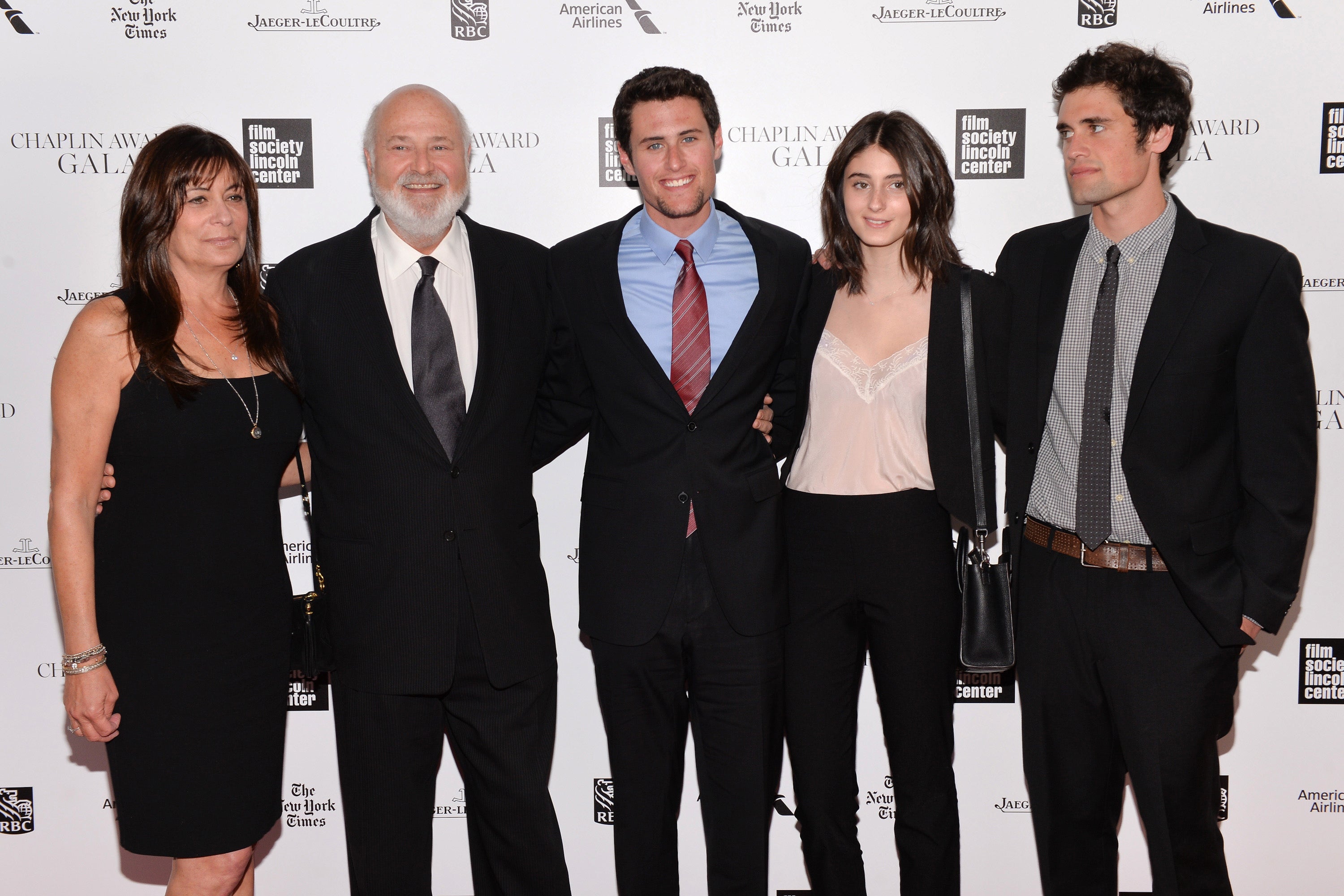
“It’s not my life,” Nick said of the project in his People interview, but, “I went to a lot of these places, so I had a lot of these stories.”
Being Charlie is about the tensions between Mills and his father in particular, who is desperate for him to get clean and orders him to check into rehab on the advice of counselors, rejecting Charlie’s own insistence that he does not find the treatment helpful or conducive to recovery.
The film attempts to address both perspectives in the interest of helping other families facing comparable situations. Efforts are made to distance the fictional characters from their real-life counterparts but Being Charlie is clearly grounded in the emotional experience of its creators.
Rob Reiner told The Los Angeles Times upon the film’s release: “When Nick would tell us that it wasn’t working for him, we wouldn’t listen. We were desperate and because the people had diplomas on their wall, we listened to them when we should have been listening to our son.”
“We were so influenced by these people,” Michele Reiner added. “They would tell us he’s a liar, that he was trying to manipulate us. And we believed them.”
In the same interview, Nick himself said: “I got sick of it. I got sick of doing that s***. I come from a nice family. I’m not supposed to be out there on the streets and in homeless shelters doing all these f***ed up things.”
At a Q&A event promoting the film, Rob Reiner said: “We didn’t set out for it to be cathartic or for it to be therapeutic, but it turned out to be that.”
He admitted that “there were disagreements” during the shoot and that “at times it was really rough,” with Nick agreeing that the process was sometimes “overwhelming for me.”
Towards the end of Being Charlie, Elwes’s character delivers an apology to his son that appears to chime with much of what Rob Reiner has said about his real relationship with Nick.
“Charlie, I know you’re angry at me and probably don’t want to hear this right now but I do love you,” David tells him.
“I’m sorry. Every expert with a desk and a diploma told me I had to be tough on you but every time we sent you away to another one of those programs I saw you slipping away from us.”
Asked by NPR in April 2016 whether he planned to work with his father again, Nick answered: “I think for now, it’s best for me at least to be sort of independent. But that’s not to say I didn’t have an amazing experience.”
Rob was characteristically more effusive. “He was the heart and soul of the film and any time I would get an opportunity to work with him I would do it, but I do understand him wanting to forge his own way. I do know what that’s about, I went through it, and he’s brilliant and talented and he’s going to figure out his path,” he said.
Speaking to People about getting sober in 2016, Nick said: “I’ve been home for a really long time, and I’ve sort of gotten acclimated back to being in L.A. and being around my family.”
Bookmark popover
Removed from bookmarks