Researchers say that giving a child a smartphone before this age could be dangerous
Australia has become the first country to ban social media, including TikTok and Instagram, for children under 16
Giving a child a phone before the age of 13 could be dangerous, leading to worse sleep, obesity and even depression, according to a new study.
The study, published earlier this month in the American Academy of Pediatrics, tested the health implications of such devices on youngsters at the critical juncture between childhood and adolescence.
It comes after rising global concerns about the impact of technology and social media on children. Earlier this month, Australia became the first country to ban social media, including TikTok and Instagram, for children under 16.
The AAP study, led by Ran Barzilay, professor of psychiatry and a child-adolescent psychiatrist at the Children’s Hospital of Philadelphia, analyzed data from more than 10,500 kids across 21 sites in the U.S.
It found that those who received phones at age 12, compared with age 13, had a more than 60 percent higher risk of poor sleep and a more than 40 percent higher risk of obesity.
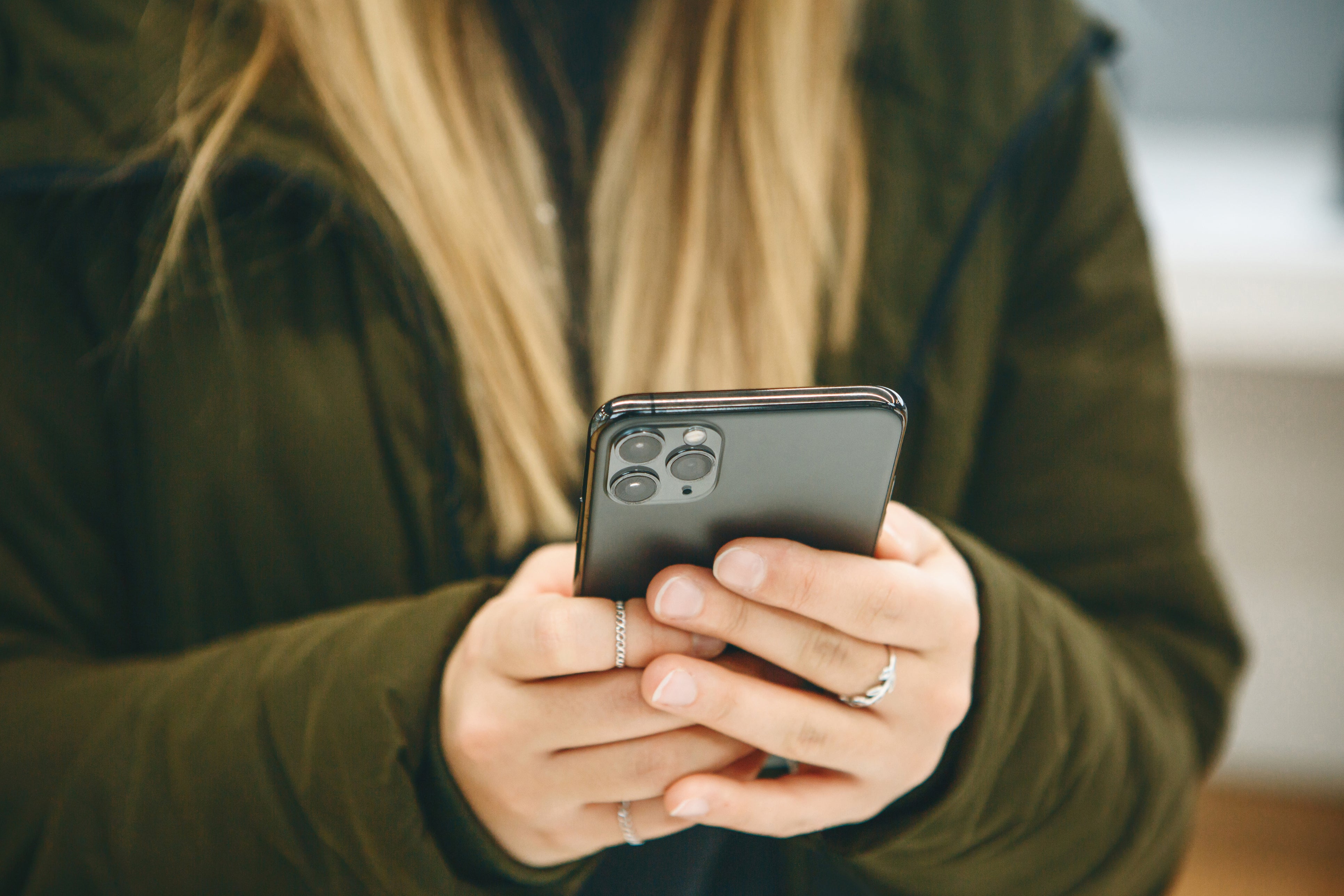
“At age 13 years, among 3,486 youth who did not own a smartphone at age 12 years, those who had acquired a smartphone in the past year had greater odds of reporting clinical-level psychopathology and insufficient sleep compared with those who had not after controlling for baseline mental health and sleep,” the study’s authors wrote.
The researchers concluded that owning a smartphone was associated with depression, obesity, and insufficient sleep in early adolescence, and recommended the development of public policy to protect young people.
“This is not something you can ignore for sure,” Barzilay told The Washington Post.
Australia has led the charge on national limitation of social media, ordering tech giants to block access to social media beginning December 10. Malaysia and other countries are reported to be considering similar moves next year.
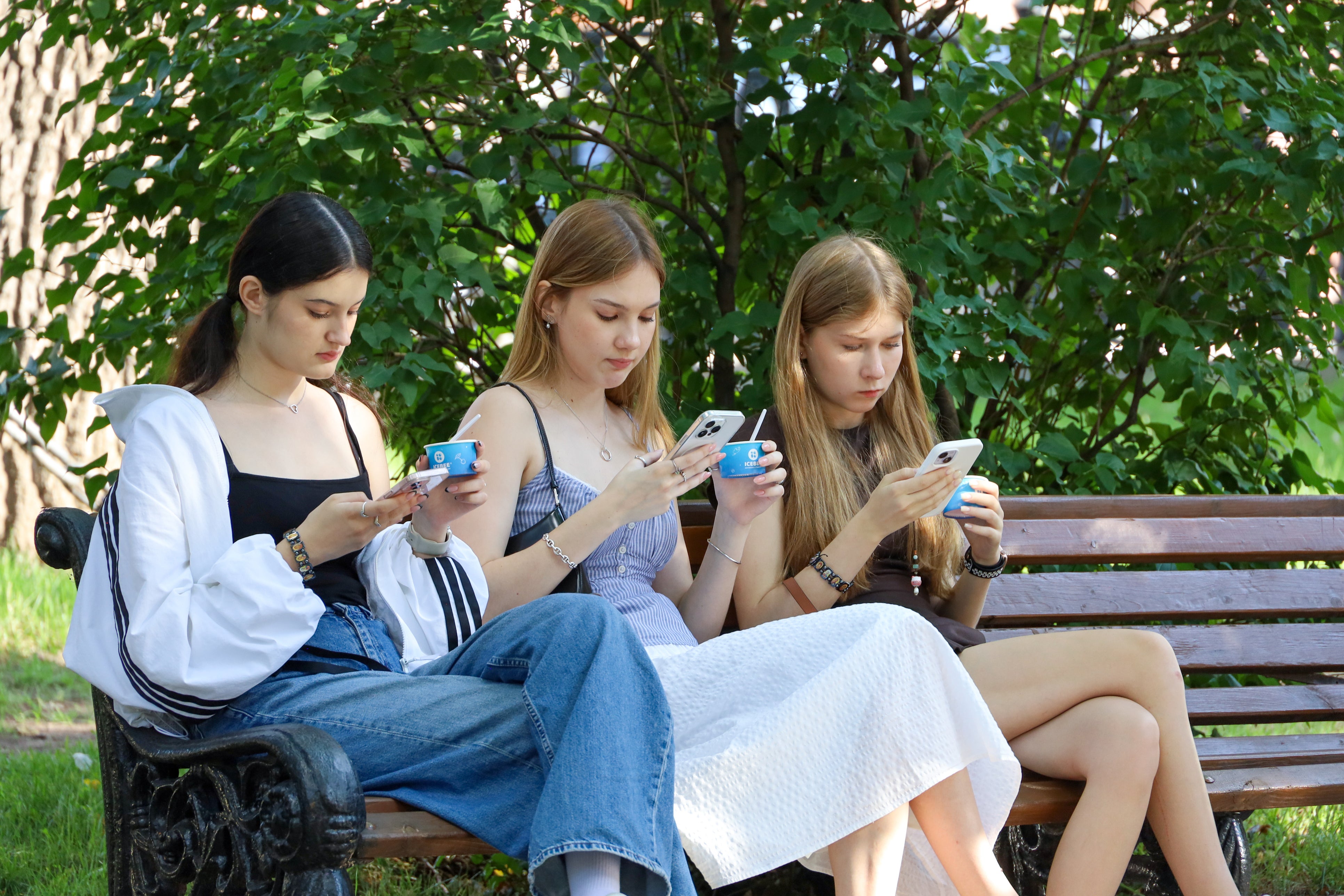
In the U.S., several states have already passed laws making children’s access to social media more limited, including Arkansas, California, Florida, Georgia, Louisiana, Mississippi, Ohio, and Tennessee, which require parental consent for accounts for younger teens.
Former Democratic mayor of Chicago Rahm Emanuel has referred to social media use among children as a public health crisis and called for lawmakers to follow decisions made in Australia.
However, earlier this month, TikTok signed a deal to sell its U.S. entity in a joint venture majority-controlled by American investors Oracle and Silver Lake, along with Abu Dhabi-based MGX, allowing use of the platform to continue in the United States.
The firms are now set to own 45 percent of the U.S. company, at 15 percent each, while roughly one-third will be held by affiliates of existing ByteDance investors. Nearly 20 percent will be retained by ByteDance.
Join our commenting forum
Join thought-provoking conversations, follow other Independent readers and see their replies
Comments
Bookmark popover
Removed from bookmarks