Rebuilding Baltimore’s Key Bridge that was destroyed by a tanker is now estimated to cost $5.2 billion
Then-President Joe Biden promised after the bridge’s collapse that the federal government would pay to have it rebuilt
Maryland officials have more than doubled the estimated cost for rebuilding Baltimore’s Francis Scott Key Bridge, initially projected to cost $1.9 billion, after the bridge collapsed and killed six construction workers in 2024.
Rebuilding the vital bridge will now cost between $4.3 billion and $5.2 billion – and take two years longer than previously estimated, with its completion expected in 2030, Maryland Transportation Authority officials said Monday.
“As design has advanced and pre-construction work progresses, it became clear that material costs for all aspects of the project have increased drastically since the preliminary estimates were prepared less than two weeks after the initial tragedy,” said the Acting Transportation Secretary and MDTA Chair Samantha J. Biddle.
The cost change and delay were announced the night before a National Transportation Safety Board meeting on Tuesday that revealed the six workers who died filling potholes on the bridge would have had a minute and 29 seconds to escape had they been warned, according to the Washington Post.
The 1.6-mile-long bridge, a longstanding route through Baltimore’s downtown, was once vital for traffic heading into the Port of Baltimore, which was closed for months as a result of the collapse.
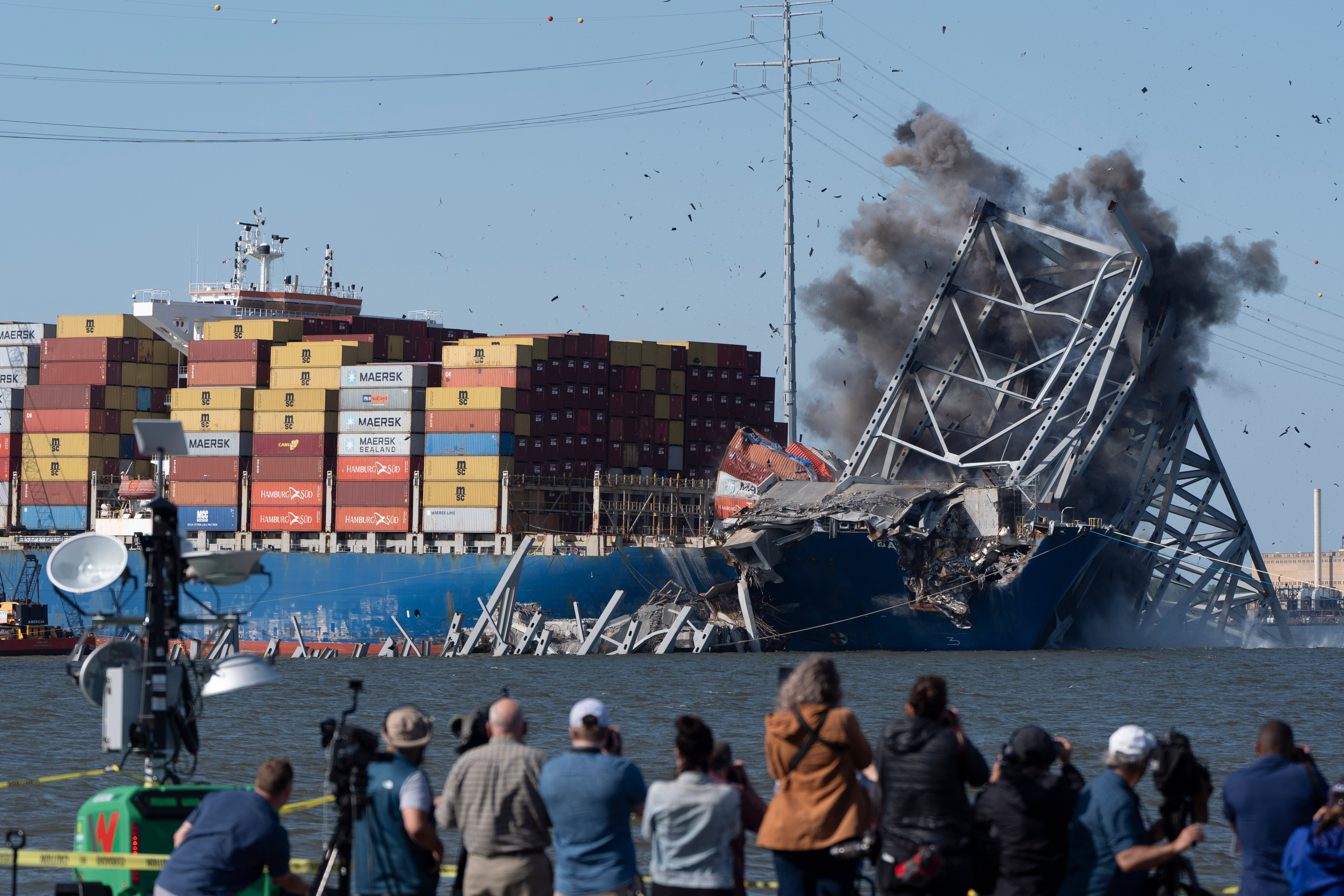

The container ship, Dali, suffered two catastrophic electrical failures mere minutes before the crash – and experienced two blackouts a day earlier, a preliminary NTSB report stated.
The six construction workers who fell to their death were immigrants from Honduras, El Salvador, Mexico and Guatemala.
After the crash, then-President Joe Biden said he was committed to helping rebuild the bridge as quickly as possible – and said that the federal government would front the bill.
Maryland’s transportation authority, in its press release, noted the American Relief Act, which authorized more than $8 billion for the Emergency Relief Program and committed to fully funding the bridge’s replacement.
Still, officials seemed uncertain on whether President Donald Trump would keep his predecessor’s promise.
“We will continue to work with the Trump Administration to find ways to reduce costs and rebuild faster,” Governor Wes Moore said. “And we will keep Marylanders continuously apprised of construction progress.”

The governor said the state is looking to pursue litigation against those responsible “so taxpayers aren’t on the hook.”
During Tuesday’s NTSB meeting, it was revealed that Maryland Transportation Authority police officers stationed at both ends of the bridge were aware that the container ship Dali was nearing the bridge, but did not warn the construction team’s inspector, whose phone number they had.
“Had the highway workers been notified of the Dali’s emergency at the same time as the MDTA police officers, there would have been about 1 minute and 29 seconds to evacuate before pier 17 collapsed,” Scott Parent, an NTSB highway factors engineer, said Tuesday, according to the Post.
That warning likely would have given the workers “sufficient time to drive to a portion of the bridge that did not collapse,” Parent said.
The workers furthest from safety would have needed to drive 2,928 feet to avoid danger, but instead, fell into the water and died as the bridge collapsed.
One of the two blackouts suffered by the ship was caused by a loose wire, while the other was caused by issues with a fuel pump that prompted the controls of the ship to become disabled, the NTSB report found.
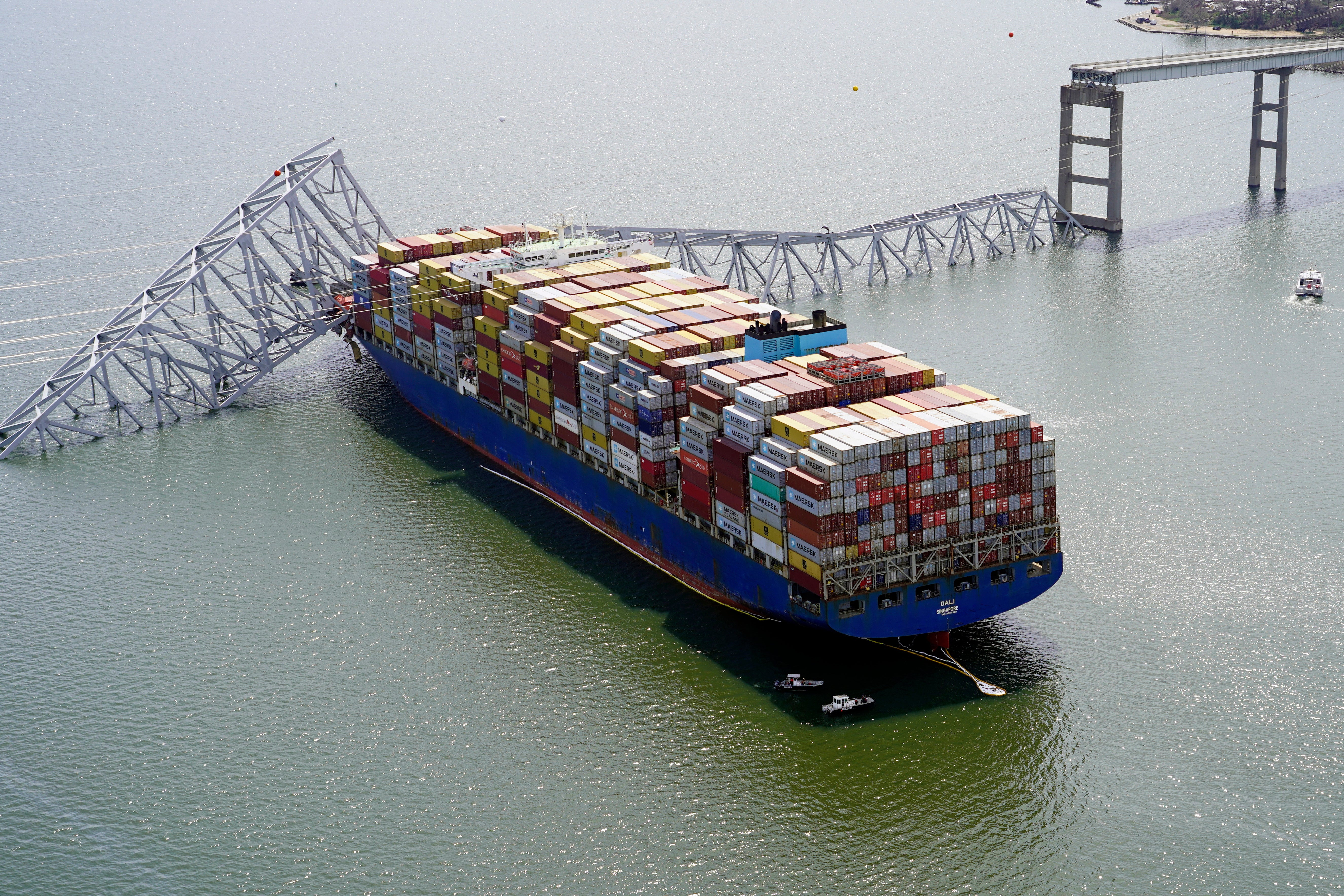
NTSB investigator Todd Gianelloni said the agency believes that if the ship’s crew had used infrared thermal imaging to inspect the ship, the loose wire may have been found ahead of time. Thermal imaging, a method that can detect problems that aren’t visible, is frequently used in the maritime industry, Gianelloni said.
Another NTSB investigator, Bridget Quinn said that container ships have grown over the years, and older bridges such as the Key in Baltimore, was not fortified to protect against such massive ships.
“Staff found that larger vessels pose risks and challenges to maritime safety due to their reduced maneuverability and restricted waterways,” Quinn said.
With reporting by the Associated Press.
Join our commenting forum
Join thought-provoking conversations, follow other Independent readers and see their replies
Comments
Bookmark popover
Removed from bookmarks