Hundreds of thousands of children with special needs won’t get top-tier support plans under SEND overhaul
Education secretary Bridget Phillipson has said the current system ‘designed 10 years ago for a small number of children is now broken’
Ministers will dramatically cut the number of children with special educational needs and disabilities (SEND) who are given the highest level of support under highly anticipated reforms announced by the education secretary.
An estimated 270,000 fewer young people will be awarded education, health and care plans (EHCPs) by 2035, a drop of more than 40 per cent on current projections, as the government tackles a spiralling system it says is not working for children and parents and has led to multibillion-pound black holes in council budgets.
At the same time as reserving ECHPs for the most complex cases, more children will be given support in school.
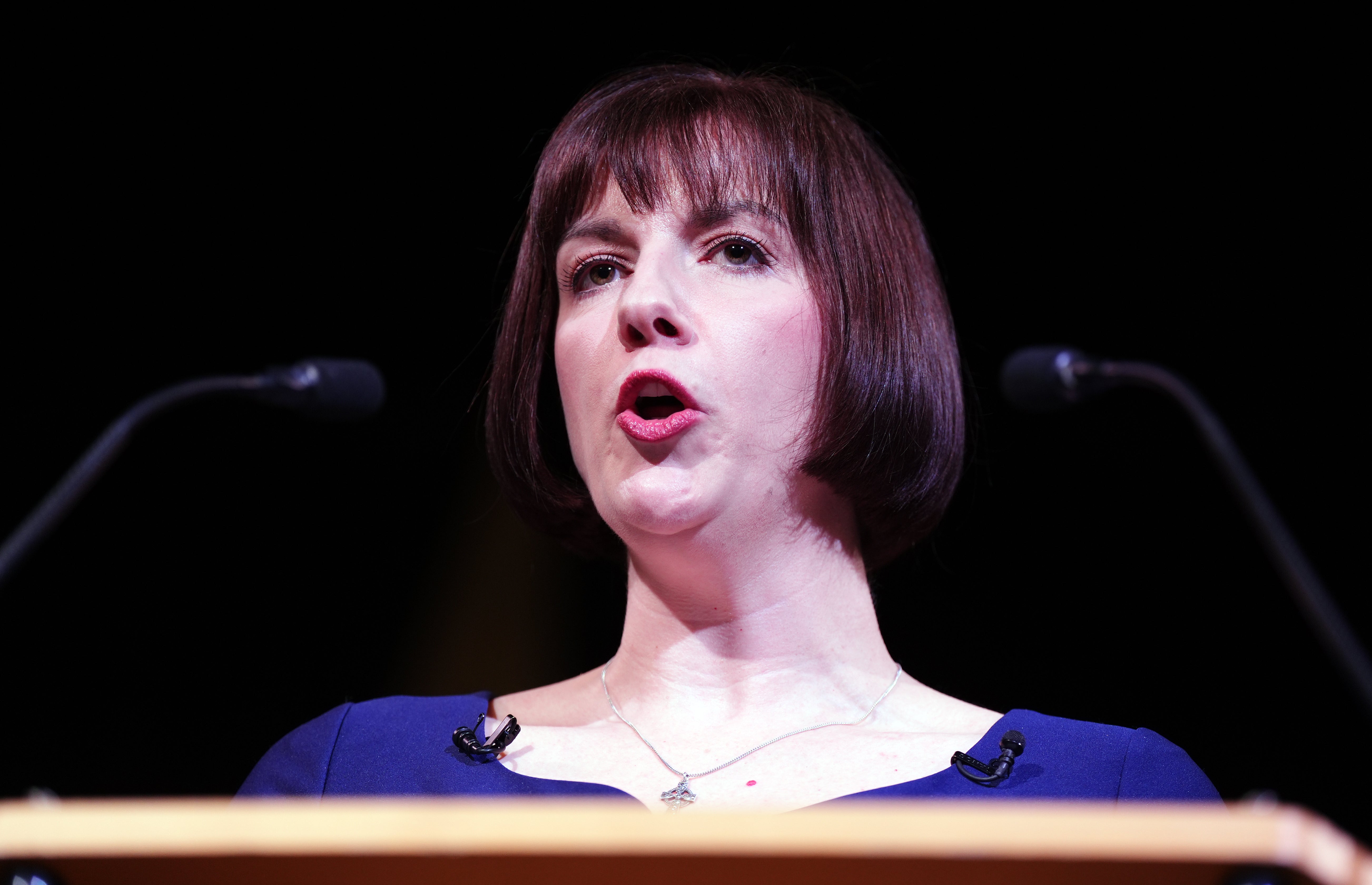
Education secretary Bridget Phillipson said the current system “designed 10 years ago for a small number of children is now broken. Parents end up fighting tooth and nail for entitlements on paper that don’t see them getting additional support. Children’s educations and lives have suffered.
“Today’s plans will take children with SEND from sidelined and excluded to seen, heard and included. Every child will get the brilliant support they deserve, when they need it, as routine and without a fight.”
But Labour backbenchers were reluctant to give their wholehearted support to the changes without assessing the details, amid fears of a rebellion on the government benches.
The children’s commissioner Dame Rachel de Souza has called on the government to confirm no child will lose their EHCP.
According to official modelling, the number of EHCPs is forecast to fall rapidly after the new system is introduced, from a high of almost 8 per cent of pupils in 2029-30 to less than 5 per cent by 2034-35.
At the moment, parents face long waits to access support for their children, in part because the number of EHCPs issued has soared in recent years. There were 638,745 last January, up from 353,995 in 2019. The rise has led to spiralling costs for councils and large deficits.
Ministers have committed an extra £4bn to the proposed new system.
Under the plans, children who are currently in year 3 or above will keep their EHCP until at least age 16. Those in year 2 or below will be reassessed when they transition to year 7.
At the same time, millions will be given new individual support plans (ISPs), a smaller set of measures, in agreement with their school.
ISPs will have multiple tiers of support, and children will not need to have a diagnosis to access them.
Those with the most complex needs will still have EHCPs, ministers insist.
There will also be no changes until at least September 2030, after the next general election.
The government has also made clear that no child with a special school place when the reforms start being introduced in 2029 will lose it.
At the weekend, five former education secretaries urged Labour MPs to back the reform plans.
But Labour MP Rachael Maskell told The Independent: “I am eager to see the details, but if EHCPs are for more complex needs, I am concerned that the school’s uplift will be insufficient.”
Helen Hayes, the Labour chair of the Commons education committee, said that as she scrutinised the proposals, “I will be looking for cast-iron guarantees that children’s rights will be strengthened through these reforms, not eroded.”
Conservative shadow education secretary Laura Trott has said her party would “oppose any support being withdrawn”.
Under the extra cash, mainstream schools, colleges and early years providers will get £1.6bn over three years to help them provide support to SEND children.
Another £1.8bn over three years will be used to create a bank of specialists, such as SEND teachers and speech and language therapists, in every area.
However, NASUWT general secretary Matt Wrack said the idea that SEND provision could be adequately overhauled with “this low level of funding” was “ridiculous”.
The DfE has also already announced it will spend £200m to give all teachers training in supporting children with SEND, and £3bn funding will go towards creating about 50,000 new school places for SEND children, some of which will be in mainstream schools.
Join our commenting forum
Join thought-provoking conversations, follow other Independent readers and see their replies
Comments
Bookmark popover
Removed from bookmarks