How mild-mannered Robert Jenrick turned into a ‘Trumpian hellraiser’
Ten years ago, Robert Jenrick was a bland centrist solicitor, exactly the sort of safe candidate who the Conservative Party didn’t have to worry about. So how did he become such a controversialist? Political editor David Maddox tracks his journey to see if he really is an ideological convert or just an extreme opportunist


If one politician represents the Trumpification of British politics, then it is not Nigel Farage but an MP who has experienced the most dramatic conversion.
So much so that people even now are asking: “Will the real Robert Jenrick step forward?”
Back in 2014, a rather bland 32-year-old centrist solicitor won the Newark by-election. It is fair to say that Mr Jenrick had been picked for a crucial pre-2015 general election by-election by David Cameron’s top team because he was exactly the sort of safe, uncontroversial individual who a party could put up as a blank canvas and not have to worry about.C
He was not expected to be a future star, but would perhaps be decent ministerial fodder who could be relied on to toe the line.
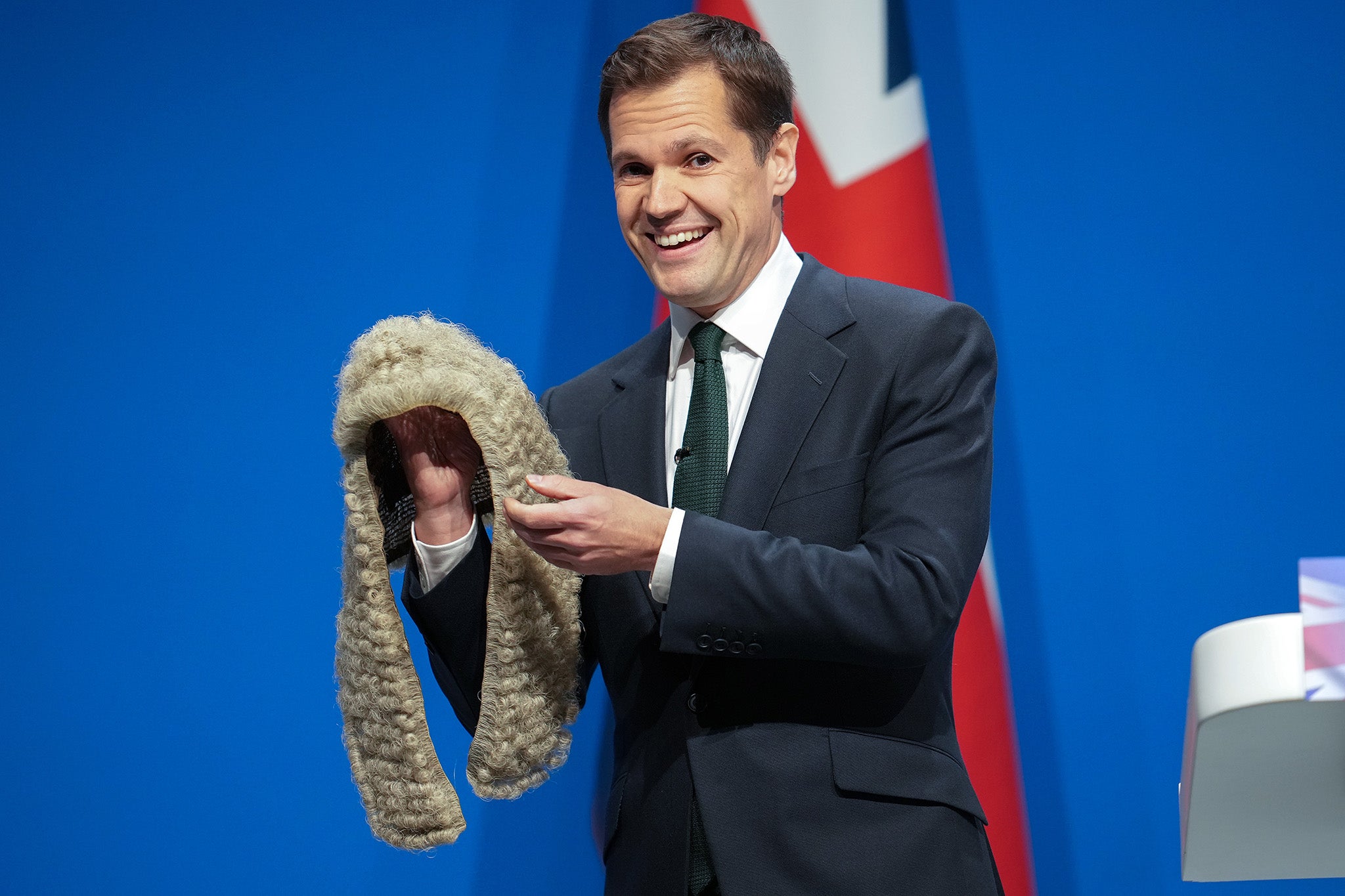
Roll on 11 years and Mr Jenrick has become the single most sought-after speaker at the Tory party conference in Manchester; a man who electrifies packed out rooms, drips controversy wherever he turns up and is not afraid to say exactly what he thinks, even if those words will see him being accused of racism.
So, how did we get here?
A new normal
Back in 2020, when I was political editor of a national Sunday newspaper and lockdown had just about got underway, I was asked if I would interview the then communities and housing secretary about a special project to support the efforts against Covid.
That cabinet minister was Robert Jenrick and as was normal for lockdown, it became the first interview I conducted over Zoom.
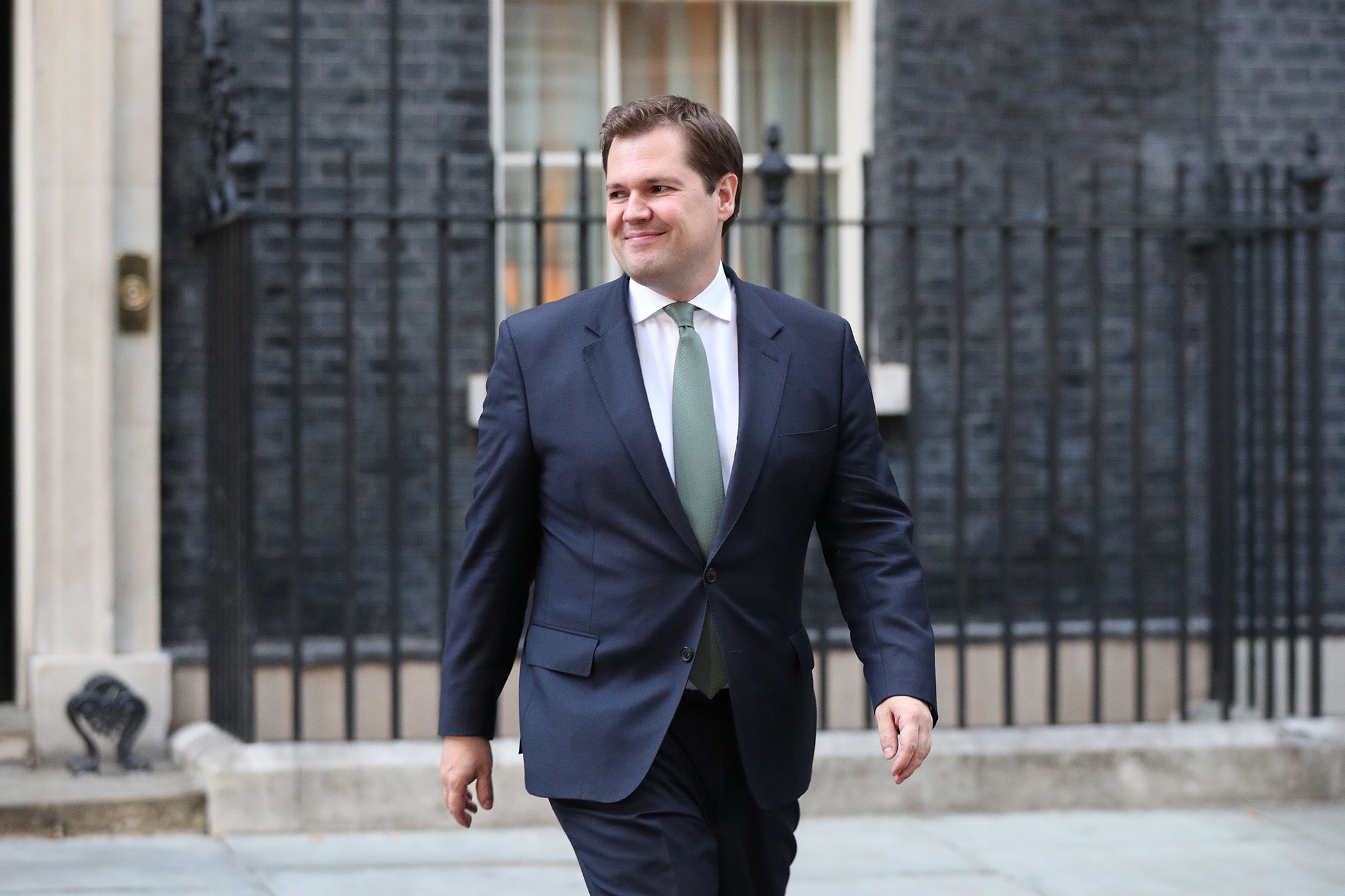
At the time, there was some controversy about him potentially breaking the rules by taking medication to his parents’ house. That was the most exciting thing about him. Other than that, I remember him as a very pleasant individual, a bit overweight and very much keeping to his brief.
If at that point someone had told me he would be discussed as the only potential saviour of the Tory party, I would have laughed.
The following year, though, after some controversy over enabling a development by porn baron Richard Desmond, he was sacked in a reshuffle, and frankly, most of us thought that was the end of his career.
Rishi Sunak’s best friend
However, of course, it was not the end. One thing Mr Jenrick had in his favour was that he was a very close friend of Rishi Sunak. So, when, after the Liz Truss 49-day debacle, Sunak took office, he turned to his pal for a very important job.
To stop Boris Johnson making a comeback, Sunak had been forced to make Suella Braverman his home secretary. But he was wary of her right-wing tendencies and needed someone safe and trusted to keep an eye on her.
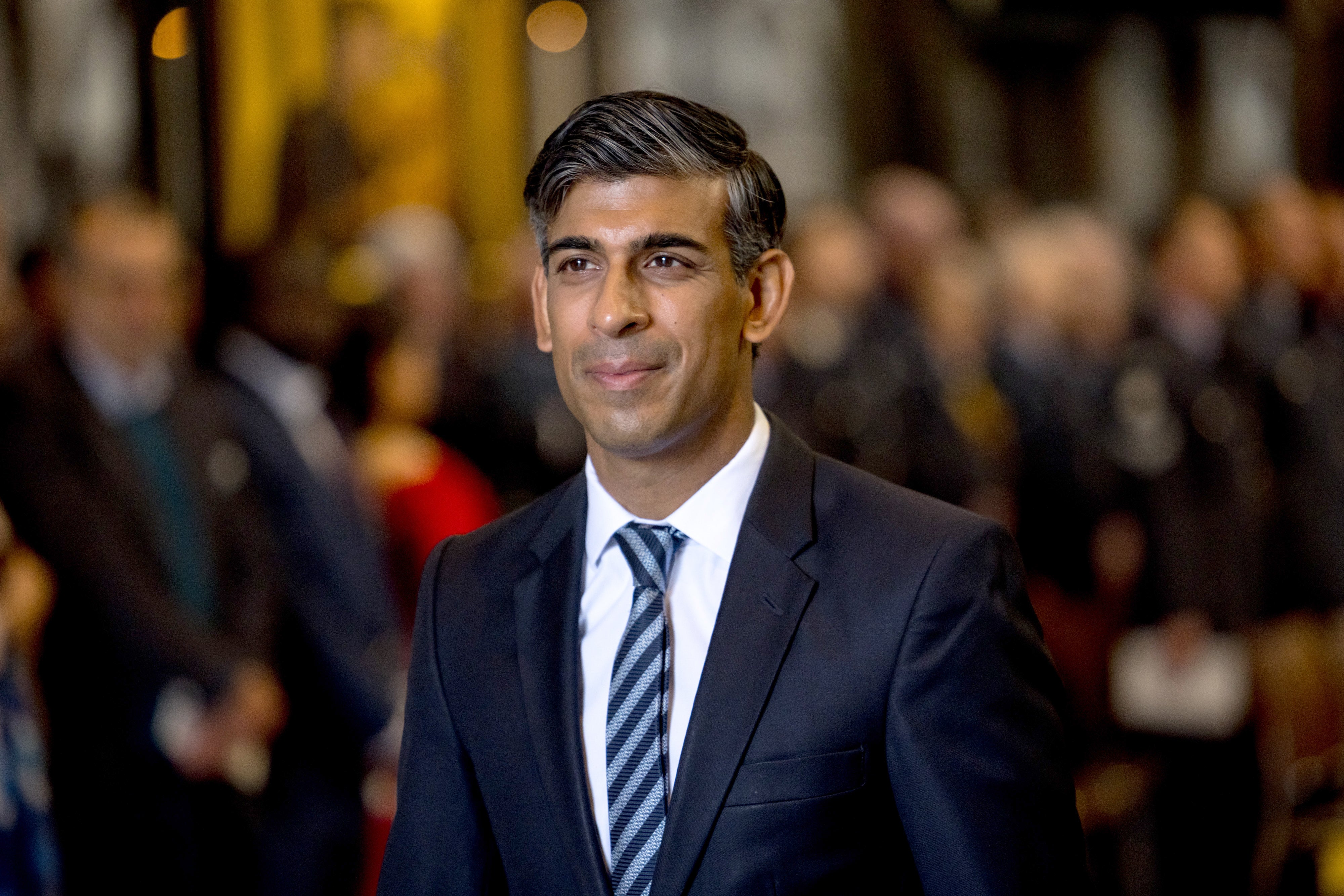
Who better to ask then, to be the immigration minister, than his friend Robert? And so Jenrick found himself back in government to try to sort out the small boats and keep Braverman in check.
Or at least that was the plan.
The Damascene conversion
Jenrick has joked with me and others about his arrival at the Home Office being the equivalent of St Paul on the road to Damascus. There is a bit of haziness about it, though.
There seemed to be no issue until 13 November 2023, when Braverman was finally sacked by Sunak in a reshuffle. According to some, there had been an understanding that Jenrick would get the top job. But instead, Sunak moved the then foreign secretary James Cleverly over to be home secretary so he could make Lord Cameron foreign secretary.
It was no secret that Jenrick saw this as a betrayal by his friend, to the point that some maintain to this day that what he did next was purely an act motivated by revenge, and not by ideology.
In effect, Jenrick became the mouthpiece for five right-wing groups of Tory MPs known as “the five families” to try to force through a much tougher approach to getting Rwanda to work and slashing legal migration.
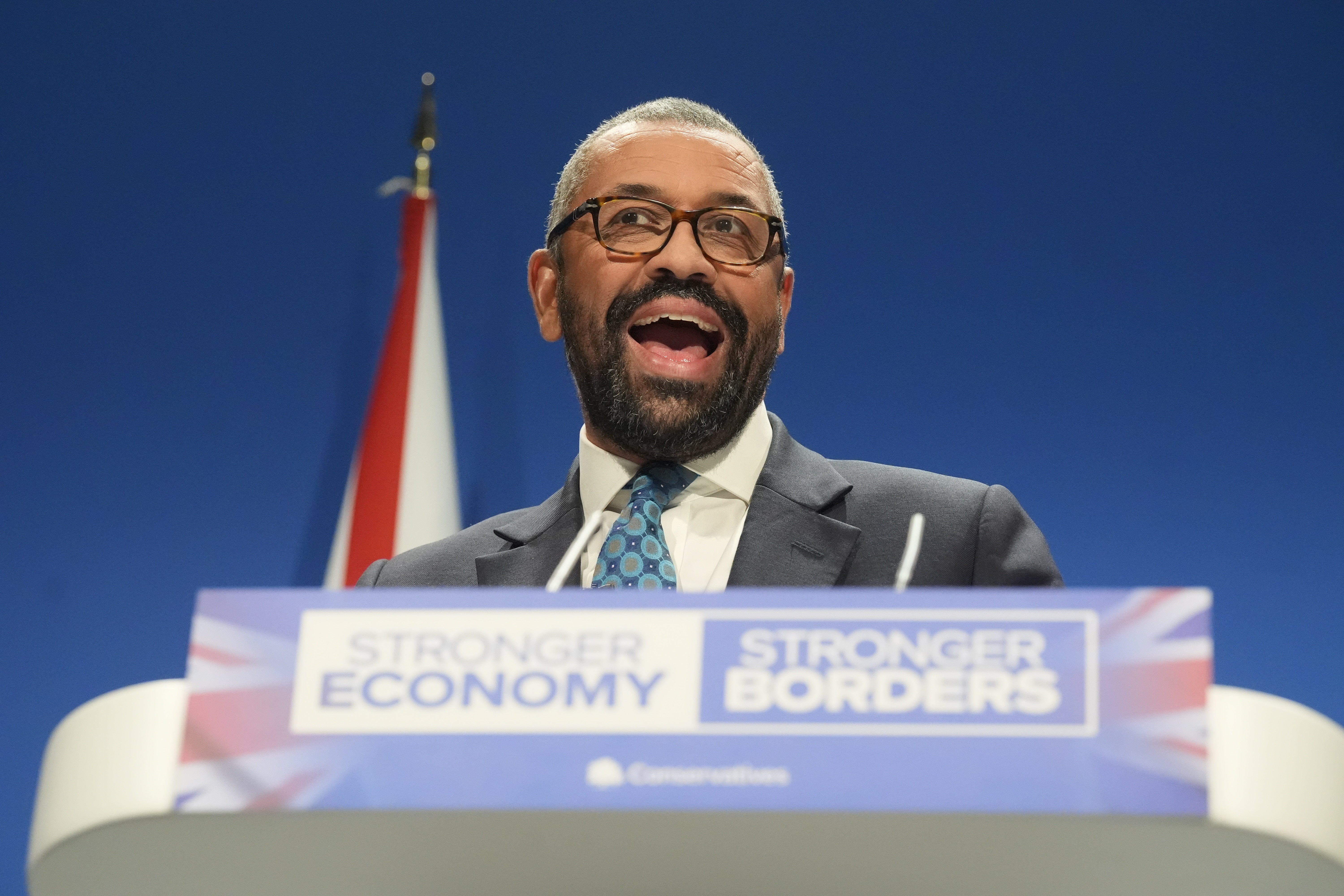
He once told me that his change of heart was a result of arriving at the Home Office and seeing officials, either in his view, not bothered about stopping the boats and getting numbers down, or even actively working against it.
“It was chaotic in there,” he said.
Suddenly, he went from being a centrist supporter of international law to dramatically resigning from Sunak’s government on 6 December 2023 over the refusal to either leave or limit the effect of the European Convention of Human Rights (ECHR).
From that moment, Jenrick emerged as the leader of the right-wing rebels who so destabilised the Sunak government, the former prime minister was forced to call an early election the following year.
Just a beginning
In the aftermath of the appalling defeat for the Tories on 4 July 2024, the right of the party had one serious leadership candidate – Robert Jenrick.
Much to the distress of Ms Braverman, who felt abandoned by old allies such as Common Sense group chairman Sir John Hayes, eyes were drawn to the new thrusting politician on the block. So much so that Kemi Badenoch, who had been a “culture wars” candidate of the right, was forced to suddenly pitch herself as the centrist alternative.
While he lost the contest, Jenrick was able to set the tone for the future direction of the Tories. The decision to make leaving the ECHR a policy was because of him.
As was seen with his fare dodger video at Stratford, he was also the one Conservative shadow minister able to cut through to the public. He identified everyday issues and knew the buttons to press. His buzzword was “change”, and it was clear to many that he was modelling himself on a former Democrat who had lurched to the right to become the most extreme of Republican presidents, Donald Trump.

Trump as a model
There aren’t the close links between Jenrick and Trump himself as there are with Nigel Farage, but Jenrick himself and those around him have taken a keen interest in the Trump populist playbook. Identifying migration as a hot-button issue, he decided that this was where he would make his play, too.
Some Tories on the right of the party do not trust his conversion.
“We remember what he was like,” one said to me on the penultimate day of the conference. “He is not the real thing.”
A senior shadow cabinet member was less than convinced, telling The Independent last week: “People are asking whether the real Robert Jenrick will come forward. He’s not authentic. If he was, he might be the leader by now.”
But others are openly praising him as being “more right-wing than Nigel Farage”.
Like Trump, his speeches go after the judiciary and other parts of the establishment with gusto and complete disregard for the wider consequences. In this new world of “outrage” politics, sometimes the more controversy that he stirs, the better it plays for him. Jenrick was completely unfazed by being caught in a race storm over comments about not seeing white faces in part of Birmingham. It felt like he was at his most Trumpian yet.
The importance of his wife
The rather tired old phrase of “behind every great man stands a great woman” may actually be true in Jenrick’s case. Arguably, “greater woman” might be more accurate. Michal Berkner is a formidable individual. A high-powered lawyer, whom I am told those around Jenrick’s leadership campaign lived in fear of.
She was very much the driving force in his leadership campaign and he has spoken about how when he makes a mistake, an apology “is not enough”, but he has to prove he has changed.
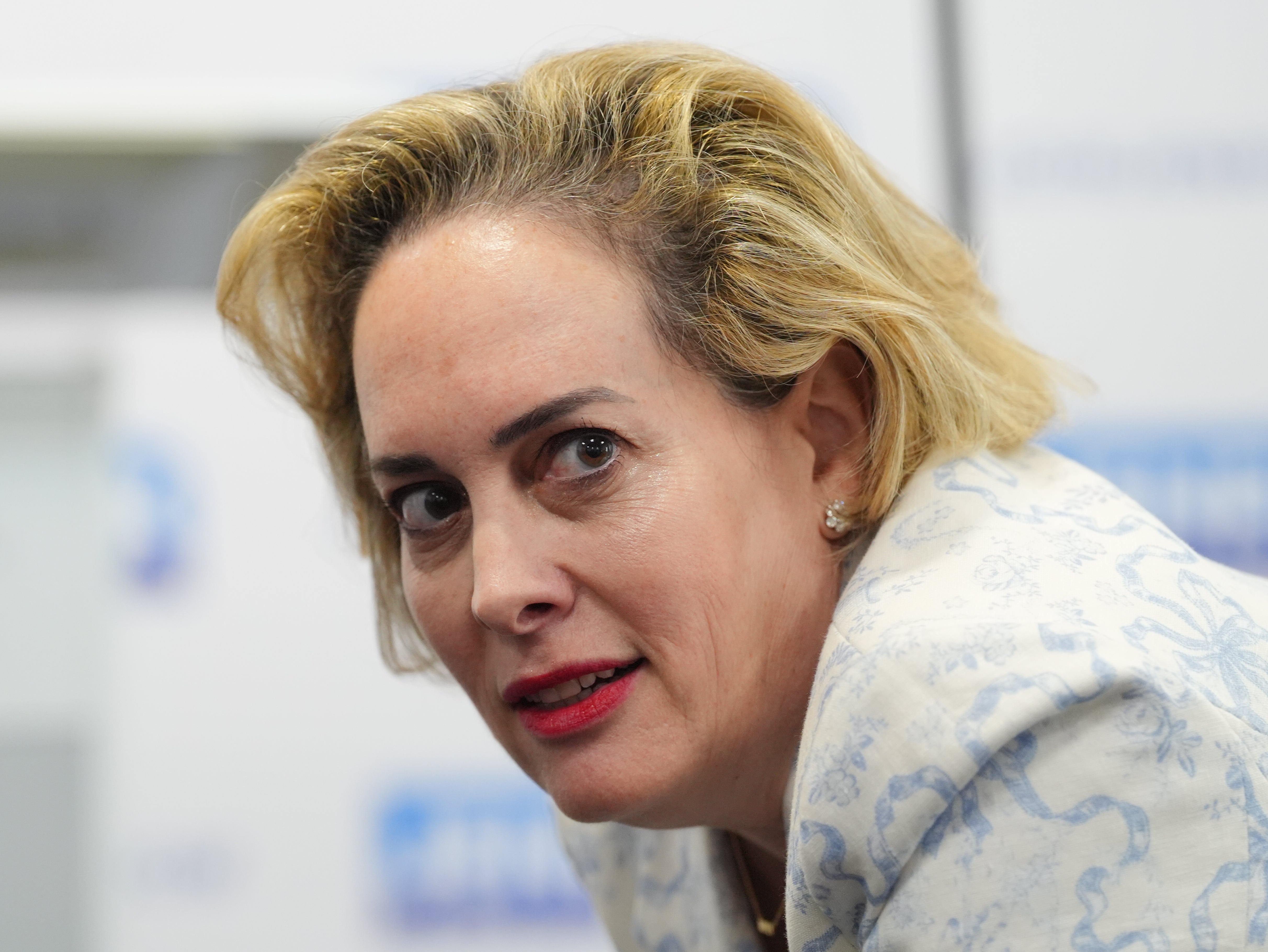
We do not know if it was she who was behind his new look, shorter hair and leaner frame, but he has certainly become a more focused and sharper – some might say meaner and more hard-edged – individual than in that Zoom interview five years ago.
It wasn’t a surprise to anyone last week when we found out that it is Berkner that reads out disobliging comments about Jenrick under news stories to get him motivated, or maybe riled.
Is Jenrick the Tory future?
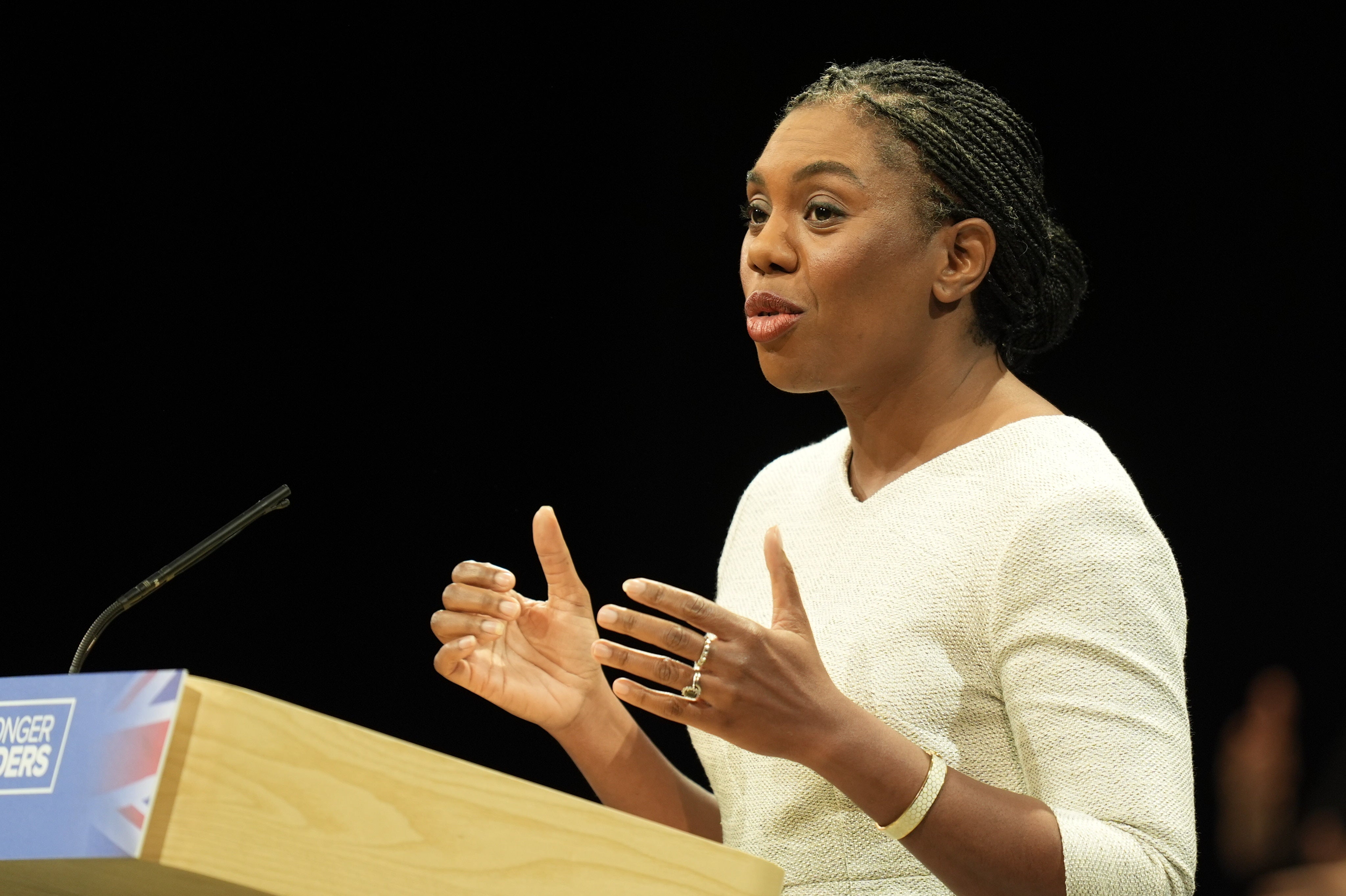
Kemi Badenoch gave a well-received conference speech last week with policies her beleaguered party can unite around. But it was Jenrick who attracted the selfie-sticks and buzz of excitement. If the local elections and ones in Scotland and Wales go badly next May, then Badenoch will struggle to survive.
At that point, it seems likely the contest to save the party will be between Jenrick and the still centrist Cleverly.
Mr Jenrick’s allies had been considering trying to launch a coup at the conference in Manchester, but changed their mind after they saw what happened to Andy Burnham a week before with Labour. Nevertheless, a close associate of Jenrick’s told me: “He is waiting. He is not going anywhere and is ready to pounce when the moment is right.”
If anything, the Trumpification of Jenrick is not just ideological, but a complete desertion of being collegiate in pursuit of a new ruthlessness. The bigger question, of course, will be whether he has the wherewithal to take on and beat Trump’s actual friend Nigel Farage, who has been playing this populist political game for a lot longer than he has.
Join our commenting forum
Join thought-provoking conversations, follow other Independent readers and see their replies
Comments