For just £1.30 a person each year the UK could help end Aids by 2030, new analysis finds
Exclusive: Analysis by The Independent reveals the cost of protecting what remains of UK aid funding for the global HIV response – helping prevent millions of infections and deaths
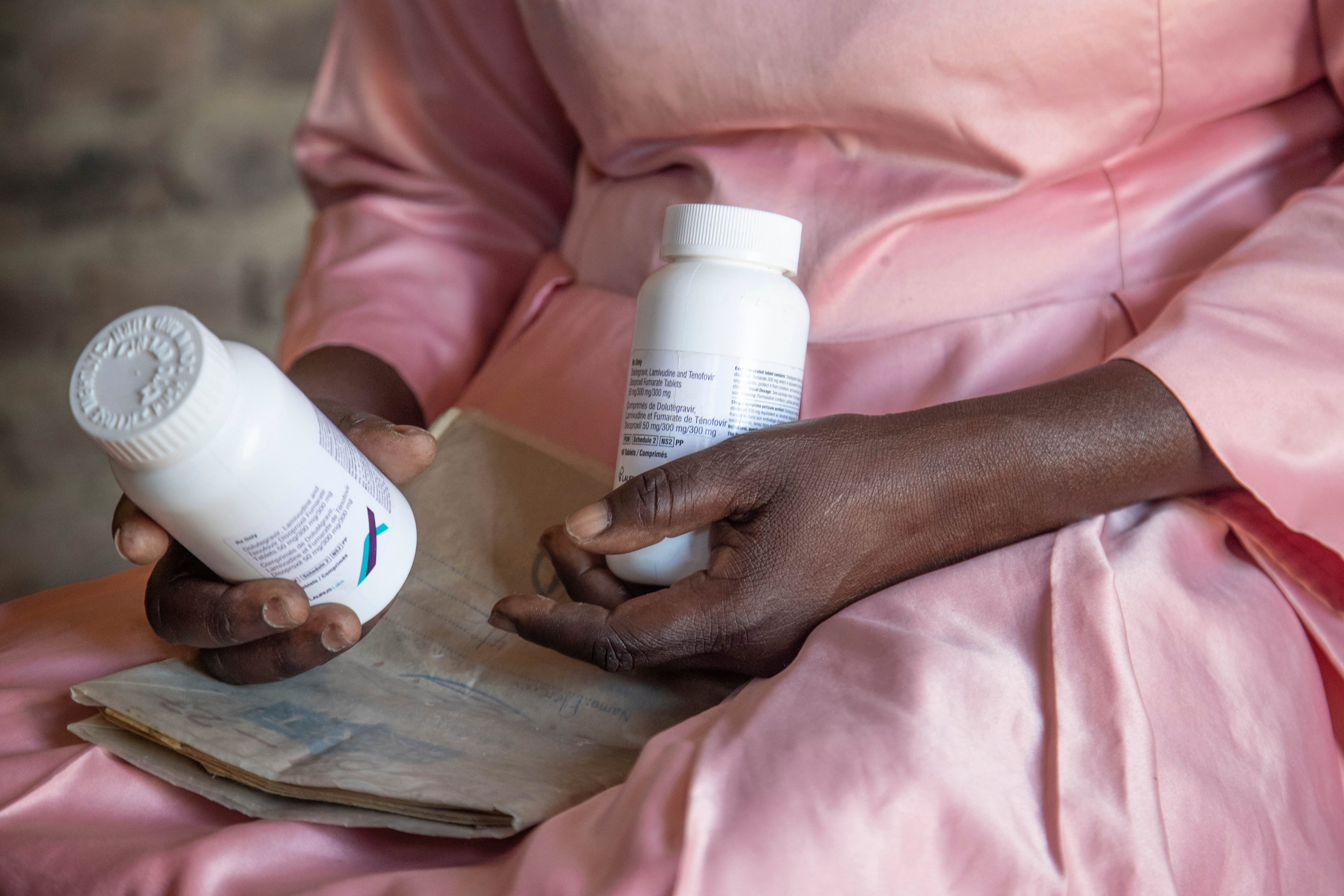
Protecting what’s left of the UK’s funding for the global HIV response in order to end the deadly decades-long pandemic would cost less than £1.30 a year per UK adult, new analysis by The Independent shows.
The figure is based on the government honouring existing commitments to three crucial funds: the UN Aids agency (UNAIDS), medicines access agency Unitaid and the Robert Carr Fund, which makes sure that the voices of marginalised populations most affected by HIV are included.
To maintain current funding levels, the government would need to commit around £200m over three years, or £67m a year. Shared between the 55 million adults in the UK, this could help end new HIV transmissions globally, something the prime minister has already pledged to do in England by 2030.
The government is set to confirm funding decisions for these three bodies by the end of January.
It has already announced a £150m cut to its biggest contribution to the global HIV response.
Conservative MP David Mundell, a co-chair of the all-party parliamentary group (APPG) on HIV/Aids said: “It's a modest sum, but every pound to people who are struggling is still significant. But I think the key is, what is the alternative cost?
“The alternative cost of not being able to achieve the zero transmissions is new strains of HIV emerging, it’s of those strains coming to the UK and putting additional pressures onto our NHS.”
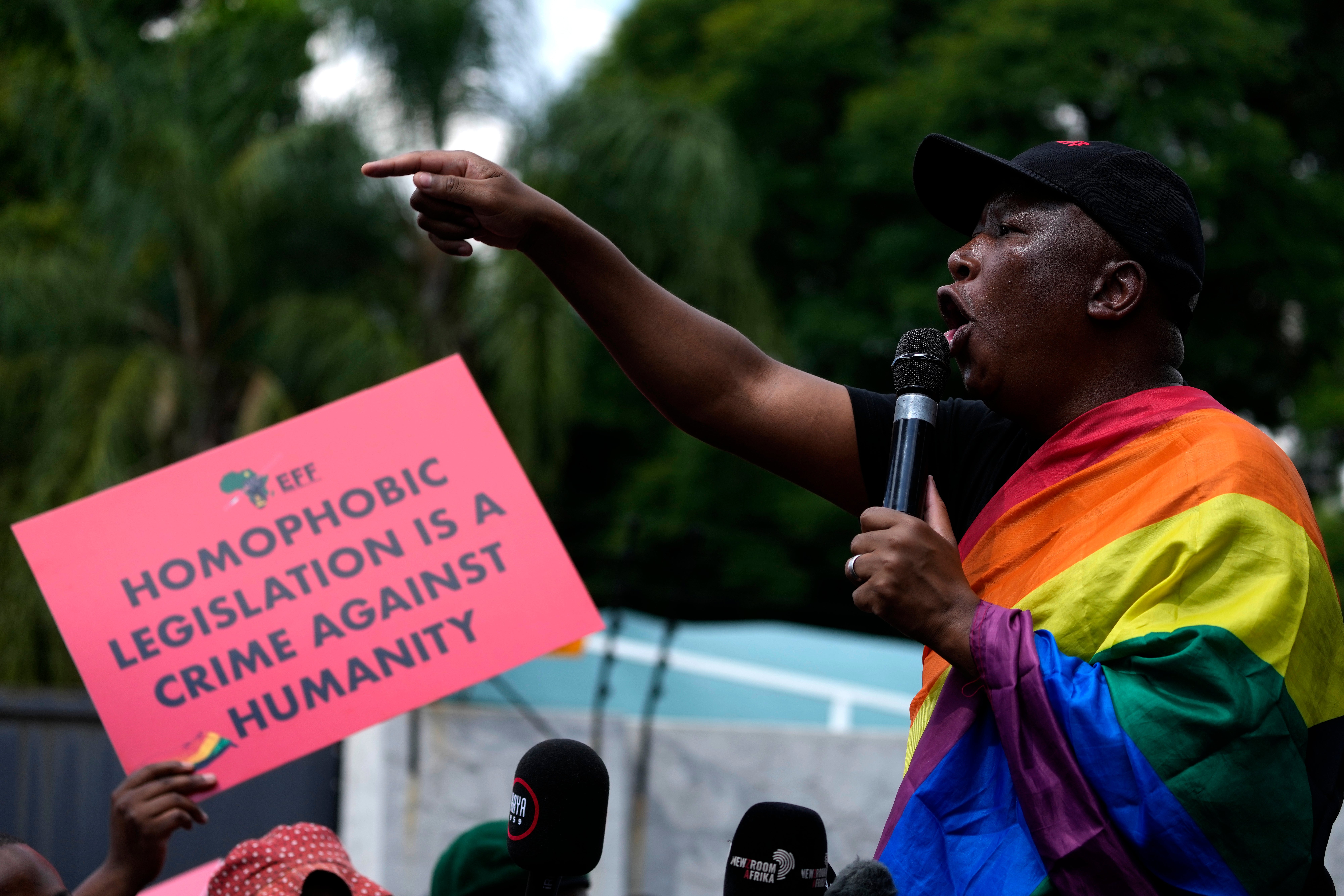
He added that the UK and other “like-minded countries” needed to step up and target their funding at the gaps left by US cuts to global HIV programmes, including services for LGBT+ and other marginalised communities the US “doesn’t want to fund”.
Labour MP and public health doctor, Beccy Cooper, who chairs the all-party parliamentary group on global health and security, added: “This analysis is a clear reminder that some of the highest value public spending we can make is in global health. Honouring these HIV commitments would deliver impact far beyond their modest cost and would help sustain the momentum toward ending Aids by 2030.
“As a public health professional I also see the wider benefit. Targeted HIV investment strengthens the health systems that allow us to respond to other health issues such as infectious disease outbreaks, support resilient communities and ultimately keep people in the UK safer too,” Dr Cooper said.
In an open letter published earlier this month, The Independent, along with more than 25 leading charities, advocates and MPs, urged the prime minister to protect the remainder of the UK’s funding for the global HIV response.
In 2024, it looked like a global goal to end the Aids pandemic by 2030 was in sight, but deep cuts to development aid spending from a number of rich countries, including the UK this year, have put this progress at risk.

If previous levels of funding for HIV prevention around the world are not protected, there will be more than four million additional deaths and infections by 2030, according to the latest UN estimates.
The UK is to cut its total foreign aid spending by 40 per cent by 2029 in a move to shift more funds to defence. Along with devastating cuts from the US, among others, it has left health systems around the world scrambling and HIV prevention services collapsing. Roughly 2.5 million people who used pre-exposure prophylaxis (PrEP) in 2024 lost access to the medicine this year because of donor cuts.
Protecting these three key funds represents an “incredible opportunity for the UK government to commit to and invest in hope and the very real possibility of ending Aids in five years”, said Mike Podmore, chief executive of Stopaids, the network of UK agencies working on the global response to HIV/Aids.
“If the UK and other governments around the world choose to make the political and financial commitment needed, it’s a small cost to pay to keep the world and the UK safe by preventing a resurgence of the Aids pandemic and keep us on track to ending it once and for all.”
This article has been produced as part of The Independent’s Rethinking Global Aid project
Join our commenting forum
Join thought-provoking conversations, follow other Independent readers and see their replies
Comments
Bookmark popover
Removed from bookmarks