Starmer under fire over humiliating digital ID U-turn as Labour peer says he’s ‘disappointed but not surprised’
Former Labour home secretary Lord Blunkett says scheme was doomed to ‘run into the sand’ because PM ‘failed to make the case’ for it
Sir Keir Starmer’s U-turn on plans for mandatory ID cards has been fiercely criticised by former Labour home secretary David Blunkett, who argued the government was forced to abandon the scheme because it failed to convince people why it was a good idea after announcing it last year.
In a damning indictment of the prime minister, Lord Blunkett told BBC Radio 4’s Today programme: “Very sadly it is an indication of the failure to be able to annunciate why this policy mattered, to follow through with the detail of how it would work and reinforce that by a plan of action.
“When you fail to do all those things it’s not surprising in the end that the thing runs into the sand.”

The prime minister last year said Labour would introduce a digital ID system that would be voluntary in most cases but mandatory for right-to-work checks.
But the plans were thrown into confusion on Tuesday night after it was reported that ministers were rowing back on the compulsory element, allowing other digital documents to be used for right-to-work check.
Lord Blunkett, who first proposed ID cards in 2002 as a cabinet minister in Tony Blair’s administration, said he was “disappointed but not surprised”.
He said the original announcement was “not followed by a narrative or supportive statements or any kind of strategic plan which involves other ministers and those who are committed to this actually making the case”.
“And when you fail to do all of those things, it’s not surprising in the end that the thing runs into the sand.”
As a result, he said, “those opposed to it for all kinds of nefarious and different reasons, some of them inexplicable, were able to mobilise public opinion” and defeat it.
The latest decision brings to at least nine – and by some counts as many as 13 – the number of U-turns Labour has performed since the 2024 general election and comes just days after the decision to provide additional support for pubs facing large hikes in business rates.
Just hours before the climbdown, health secretary Wes Streeting told a conference in London that ministers should aim to “get it right first time”.
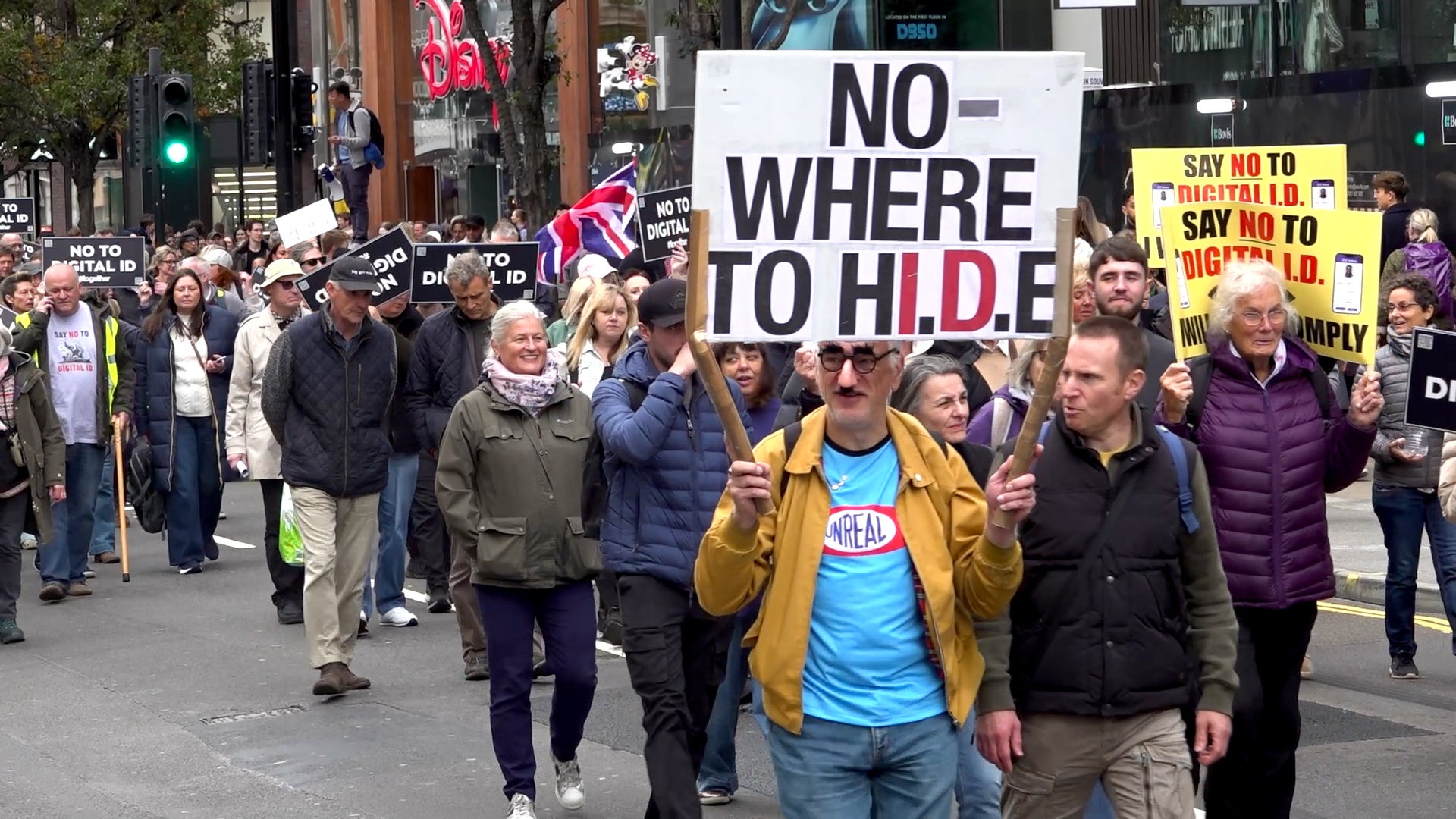
But Tony Blair’s think tank, which championed the introduction of digital ID, said the U-turn is “a change in approach, not a change in direction”.
Sir Tony himself tried to introduce mandatory ID cards during his time in Downing Street but was forced to water down the policy to a voluntary scheme that was then scrapped by the Conservative-Lib Dem coalition.
Ryan Wain, executive director of policy and politics at the Tony Blair Institute For Global Change, said: “Removing mandatory digital ID from right-to-work checks is a change in approach, not a change in direction.
“Digital identity remains essential if we want public services that work in the way people now expect, with less friction, fewer forms and services that actually join up.
“The real test isn’t whether people are forced to use it, but whether it’s good enough that they choose to. People who can pay for more personalised and preventative services already get them. Government should be aiming to make that the standard, not the exception.
“If digital ID makes everyday interactions with the state easier, faster and more personalised, people will choose it. Getting the design and rollout right is how you build public trust, and it’s the foundation for genuinely modernising public services.”
The mandatory ID card scheme was announced by the prime minister last September in a blaze of publicity, and presented as a major weapon in the campaign to curb immigration.
Sir Keir said at the time: “Let me spell that out: you will not be able to work in the UK if you do not have digital ID. It is as simple as that.”
But support for digital ID collapsed in the wake of Sir Keir’s announcement, falling from 53 per cent in June to just 31 per cent in October.
Government sources say the scheme will now be optional when it is introduced in 2029, with workers given other means to verify their identity.
It is understood there were fears that a mandatory scheme would undermine public trust and could spark a Cabinet revolt.
Join our commenting forum
Join thought-provoking conversations, follow other Independent readers and see their replies
Comments
Bookmark popover
Removed from bookmarks