Will the public support more cash for the NHS if it means less money in their pocket?
The chancellor plans to use tax rises in the Budget to shield the health service, according to reports. Kate Devlin looks at why ministers believe it is one of the few beacons of hope for disgruntled voters


The health service is often described as a kind of religion for the UK public.
But with signs that Rachel Reeves is preparing to protect cash for the NHS at the same time as she raises taxes, will the bond between the British people and the NHS be tested? Will taxpayers support the chancellor ensuring more money for the NHS even if it means less in their own bank accounts?
What is happening?
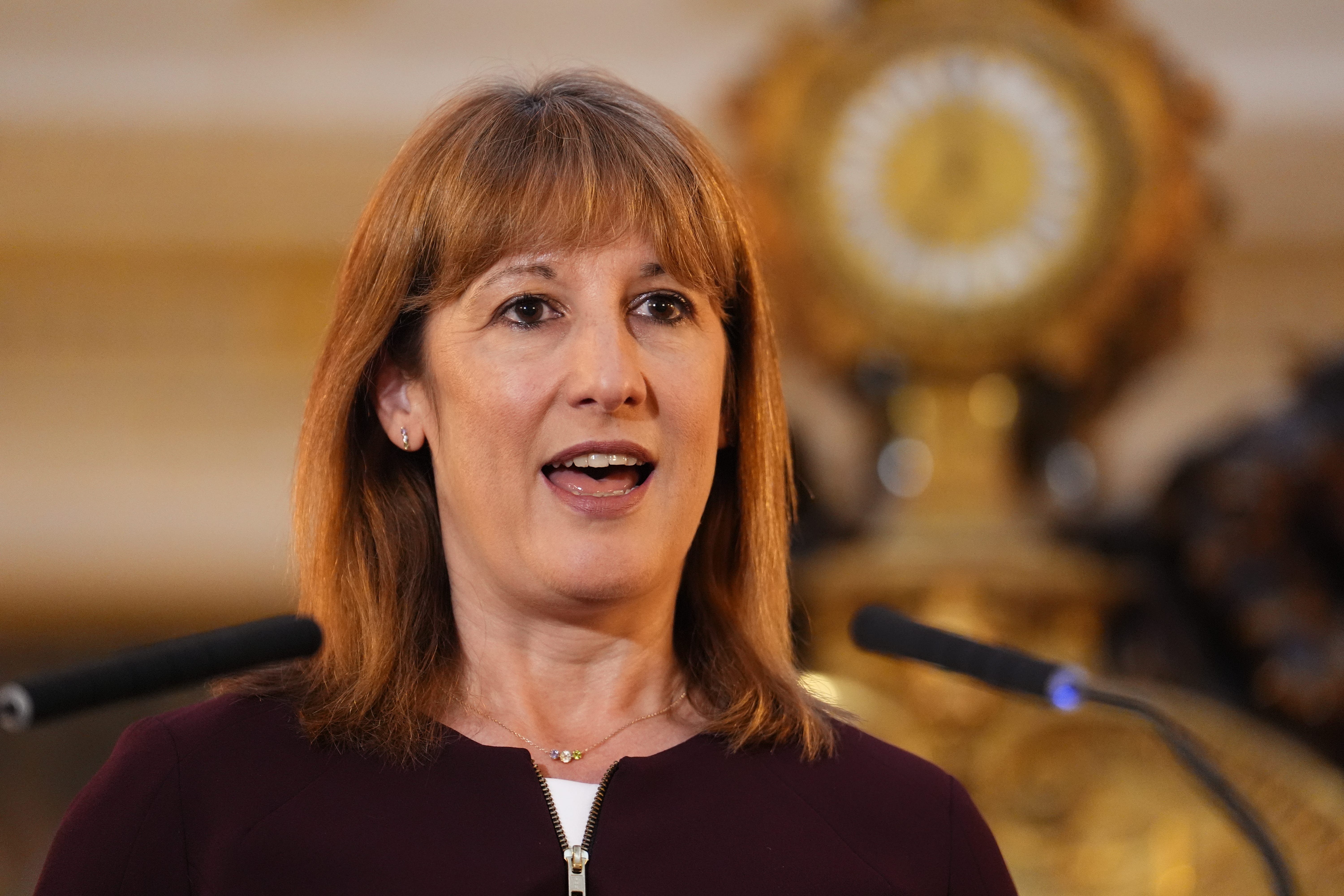
Rachel Reeves is preparing for what is shaping up to be the make-or-break moment of her political career – this month’s Budget.
On 26 November the chancellor will stand up and announce what is widely expected to include a series of tax rises.
Economists have even predicted that between this year’s Budget and last year’s Ms Reeves will, in just 17 months in power, raise more in taxes than anyone in her position for more than half a century. Capital Economics suggests she could increase levies by as much as £38bn at the end of this month, on top of the £41.5bn she raised last year, more than any of her predecessors since 1976 did across an entire parliament.
What is the problem Reeves is trying to solve?
The UK’s finances are faltering.
Labour was left a difficult inheritance by the last Tory government, made worse, as the government is now highlighting, by the long-term effects of Brexit, and exacerbated by Donald Trump’s tariff war.
Since then a combination of Labour U-turns, higher borrowing and sluggish economic growth mean Ms Reeves is facing warnings she must raise taxes or tear up her flagship borrowing rules, potentially sending the markets into a tailspin.
Economists have warned she needs at the very least to raise tens of billions of pounds to deal with the economy’s problems and create some “headroom” against future shocks.
How does this affect the NHS?
Ms Reeves is reported to have told aides her major priorities for the Budget are cutting national debt and slashing NHS waiting lists.
At the same time defence secretary John Healey fuelled talk of a major tax rise when he, like Sir Keir Starmer last week, refused to recommit his party to its promise “not to raise rates of income tax, national insurance or VAT”.
Will the need to shield the NHS be used to justify the first rise in income tax in decades?
Is the NHS a potential silver lining for ministers?
Mr Healey also said he did not agree with the health secretary Wes Streeting that there was a “growing sense of despair” in the country.
While there was still a sense that “times are still tough”, he said that voters were recognising that things like NHS waiting times were improving.
Ministers see the health service as one of the few things actually getting better in Britain, albeit from a low ebb after it was ravaged during the Covid pandemic.
But with warnings already being sounded over this year’s potential “winter crisis” in the NHS, the government cannot afford to become complacent.
Tax rises are likely to be targeted and not affect everyone. The gamble that the Treasury may take is that for those who are hit they will prefer to be able to see their GP than have some extra money in their pockets. Time will tell.
Join our commenting forum
Join thought-provoking conversations, follow other Independent readers and see their replies
Comments
Bookmark popover
Removed from bookmarks