EU ‘demands Farage clause’ in Brexit reset talks with Starmer
The deal reportedly includes a termination clause that would require Britain to pay out if it left the agreement
The EU is said to be demanding that financial compensation be paid by any future British government that reneges on a post-Brexit “reset” deal signed with Sir Keir Starmer, as part of an attempt to protect the agreement should Reform UK ever come to power.
A draft text of the proposed EU-UK “veterinary agreement” – which would slash red tape for UK food and drink exporters – reportedly includes a termination clause that would require Britain to pay a penalty if it left the deal, a stipulation that is said to have been dubbed the “Farage clause” by EU diplomats.
But government sources told The Independent that it is standard for agreements to have contingency clauses that apply in the event of termination, adding that any such clause would work both ways, and noting that talks to set out the precise terms of the deal have not yet begun.
Responding to the reports, Nigel Farage said he would refuse to hand over any money to Brussels under any deal signed by Sir Keir, telling the Financial Times: “I would break it.”
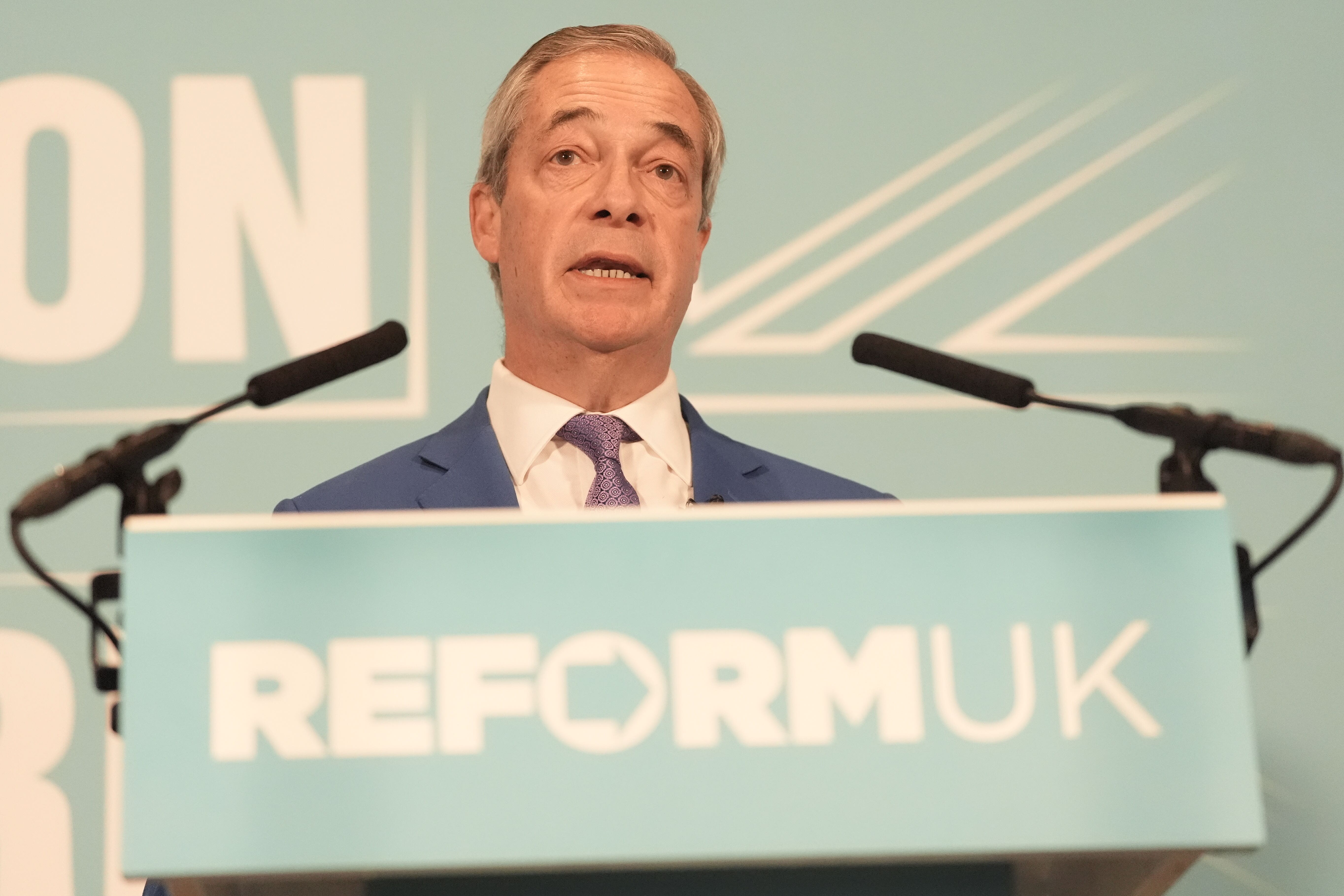
He said: “No parliament may bind its successor; we will not honour any clause. If Starmer signs this, it is a democratic outrage.”
Hitting back, a government source said: “Exit provisions are a basic staple of any international trade agreement. Pretending these routine legal contingencies constitute a democratic outrage is frankly exhausting.”
It comes after sources told the Financial Times that any party that pulled out of the deal would be forced to cover the cost of reinstating border checks and infrastructure controls.
Referring to the proposed clause, one EU diplomat told the newspaper it was a “safety provision to provide stability and a deterrent for Farage and co”, saying that the bloc is looking to sign a deal that will endure past the end of the current UK parliamentary term in 2029.
“The EU wants an agreement long term, and not only until 2029, should a change happen at the next election,” they said.
The draft text of the agreement also requires Britain to “dynamically align [with] and simultaneously apply” any rules introduced in Brussels that relate to animal and plant products.
But both Reform UK and the Tories have promised to overturn plans for dynamic alignment – which would see Britain agree to automatically adopt future changes to EU rules – arguing that it would water down the legal independence Britain has gained since Brexit.
It comes as the government prepares a bill that would hand ministers the power to bring the UK into alignment with EU law, as part of an attempt to reduce paperwork and boost growth in Britain.
The bill, which will be brought forward this year as part of the government’s Brexit reset, would give ministers overarching powers to bring the UK into line with EU law in certain areas, such as food standards, animal welfare, and pesticide use.
It is understood that the new powers could be used to implement deals struck with the EU, such as agreements to align electricity and carbon markets, or plant and animal standards.
When he became prime minister, Sir Keir promised to reset Britain’s relationship with Brussels and rebuild ties with the bloc after years of tension and mistrust under the Conservatives.
And in an interview at the start of this year, the prime minister signalled that the government would be prepared to align even more closely with the EU single market if such a move were in the national interest, insisting that Britain should “go further” in strengthening its post-Brexit ties with Brussels.
The Cabinet Office has been contacted for comment.
Join our commenting forum
Join thought-provoking conversations, follow other Independent readers and see their replies
Comments
Bookmark popover
Removed from bookmarks