Household water bills to rise for millions of UK customers
Water UK said the increase is necessary as companies prepare to invest £20 billion between 2026 and 2027
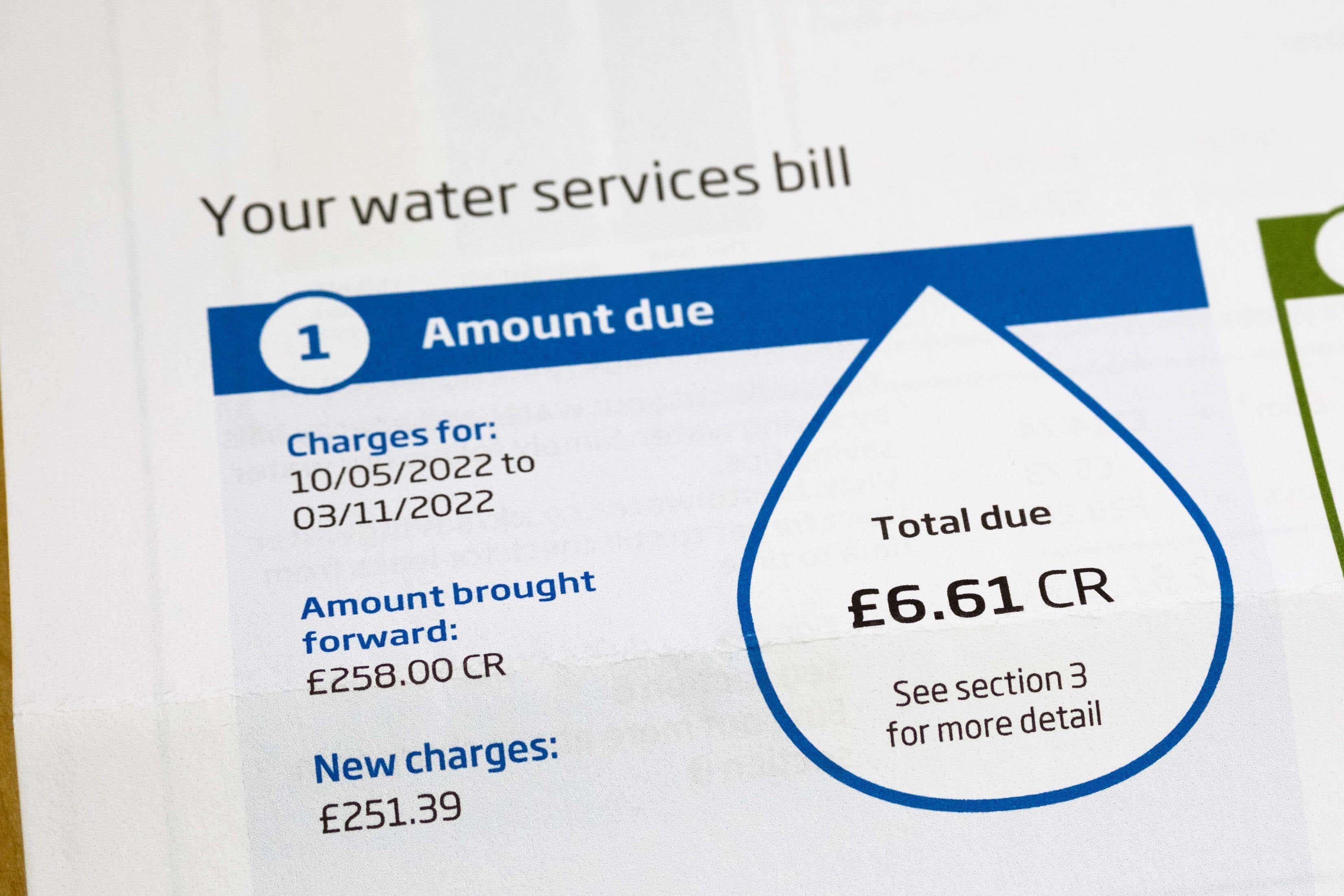
Households across England and Wales face a 5.4 per cent increase in their water bills from April.
This rise, amounting to an average of £33 annually per household, is two percentage points above the current inflation rate.
Water UK stated the increase is necessary as companies prepare to invest £20 billion between 2026 and 2027.
This significant investment aims to bolster water supplies and tackle the persistent issue of sewage discharge into rivers and seas.
Public outrage has mounted over the widespread pollution of waterways, particularly as firms seek to fund upgrades following decades of perceived underinvestment.
Regulator Ofwat has already sanctioned water companies to raise bills by 36 per cent between 2025 and 2030, with a substantial portion – 20 per cent, or an average of £86 – applied to last April's annual increase.
The Consumer Council for Water (CCW) warned that customers were “impatient for change and need to see compelling evidence their money is being well spent”.
There is significant regional variation in bill increases, with Severn Trent customers seeing a 10 per cent increase, Sutton and East Surrey imposing an 11 per cent increase, Bristol Water a 12 per cent rise and Affinity Water (central region) customers warned they have a 13 per cent jump coming.
South East Water is raising bills by an average of 7 per cent, to £324 a year, after its customers suffered days of supply disruption this month blamed on Storm Goretti causing burst pipes and power cuts. This followed a similar incident the previous month, when 24,000 people in Tunbridge Wells were left without drinking water for two weeks,
Water UK said the cash raised from water bills could only be used to fund infrastructure that had been independently determined to be “new, necessary and value for money”.
A money-back guarantee meant that customer bills would automatically be refunded by the regulator if improvements were not delivered, it said.
More than two million households currently receive help with their bills through social tariffs, the WaterSure scheme, and other affordability measures, and this will expand by an expected 300,000 households over the coming year.
Water UK chief executive David Henderson said: “We understand increasing bills is never welcome, but the money is needed to fund vital upgrades to secure our water supplies, support economic growth and end sewage entering our rivers and seas.
“While we urgently need investment in our water and sewage infrastructure, we know that for many this increase will be difficult. That is why we will help around 2.5 million households – more than ever before – with average discounts of around 40 per cent off their water bill.”
CCW said it had seen a 51 per cent increase in complaints about water companies in 2025, mainly driven by concerns around affordability and upset over the scale of last April’s increase.
CCW chief executive Mike Keil said: “We’ve seen complaints brought to CCW about the affordability of water bills almost triple in the past year and further bill rises will compound people’s worries.
“People support investment in improving services, but they are impatient for change and need to see compelling evidence their money is being well spent.
“A stronger safety net is also needed for those who simply can’t afford these bill rises. Our independent review of water affordability back in 2021 made clear that a universal single social tariff would ensure financial support flows to where it is needed most. The postcode lottery of financial assistance created by existing water company social tariffs is unfair and unsustainable in the face of rising water bills.”
Ofwat interim chief executive Chris Walters said: “By April 2027 we are expecting water companies to have installed more than eight million water meters in homes to help customers manage their bills, to have replaced almost 3,000km of piping that will ensure customers experience fewer supply disruptions, and reduce sewage spills from storm overflows by 30 per cent from 2024 levels.
“These are just three examples that will help us reach our collective goal of cleaner rivers and seas, more resilient water supplies and better services for customers and the environment.
“However, we also recognise that these bill increases may be difficult for some people. That is why we approved a doubling of company support available for customers who are struggling to pay and now more than two million households are accessing this help.”
Rob Abrams, campaign manager at Surfers Against Sewage, said: “Nearly a third of our water bills are swallowed up servicing the water company debt pile and shelling out dividends whilst we get sick from sewage.
“So why should we believe this time will be any different?
“Water isn’t a commodity. It’s a necessity. Yet it’s being milked for profit while sewage is pumped into our waters.
“This broken system rewards greed and failure, and the only solution is a full system reset to put people and planet first. Nothing less will do.”
River Action chief executive James Wallace said: “When the water sector brags about ‘record investment’, what it really means is that bill payers, not water companies, are being forced to pick up the tab for decades of failure.
“The privatised, pollution-for-profit model has failed. Until water companies are owned and governed for public and environmental benefit, using long-term patient capital, we will keep seeing regulatory failure and polluted rivers.”
Join our commenting forum
Join thought-provoking conversations, follow other Independent readers and see their replies
Comments
Bookmark popover
Removed from bookmarks