‘I work as a doctor in the NHS – I’ll never be able to pay back my student loan’
Taking out a student loan was once seen as an investment in your future. But as graduates face soaring rates of inflation, they say the loans are leaving them ‘locked’ into debt
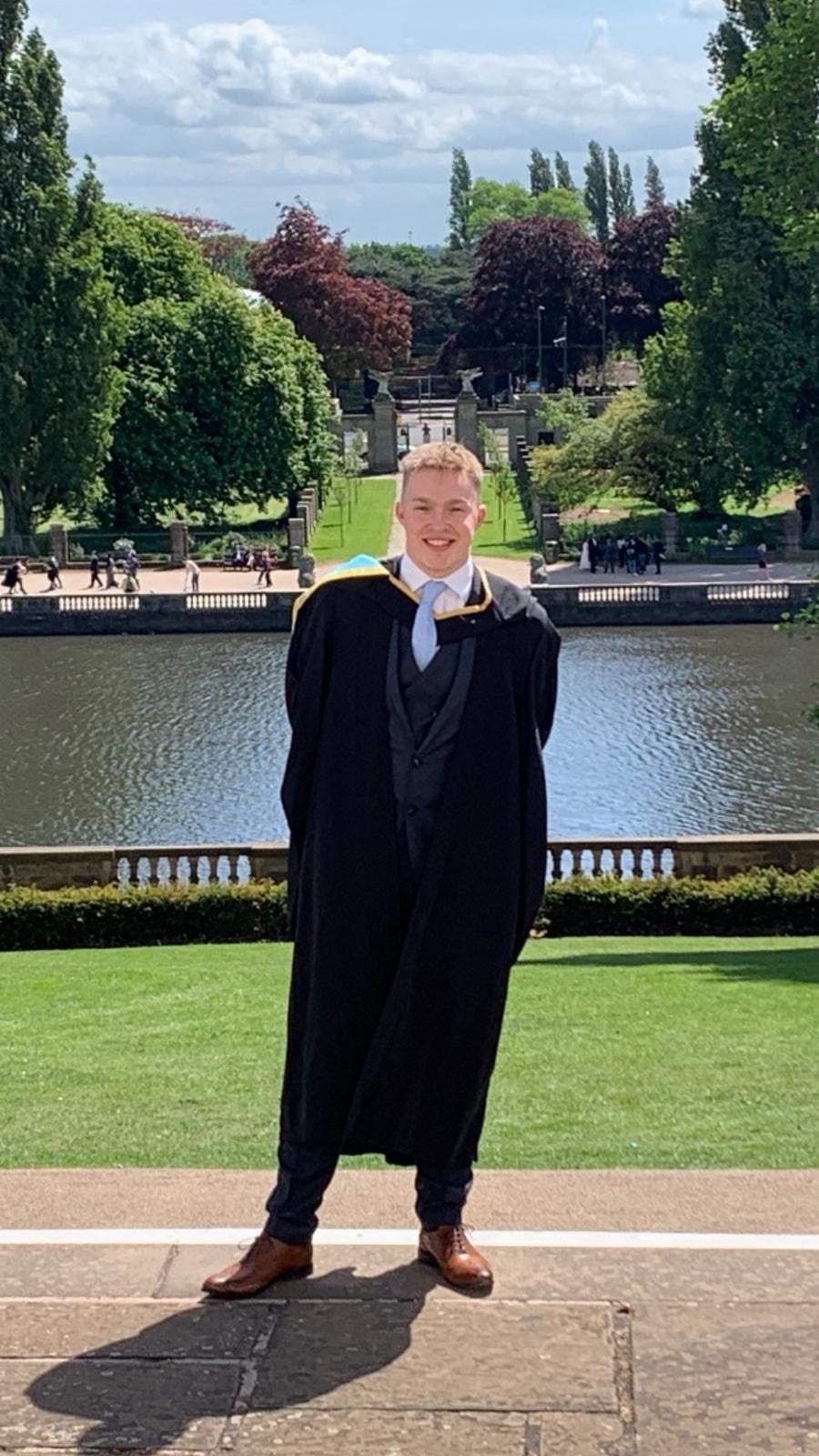
When Arthur Joustra took out a student loan to allow him to study medicine, he believed it was an investment he’d be able to pay off as he embarked on his career as a doctor.
He graduated in 2022 with a loan debt of around £65,000. By April 2024, the debt had grown to £70,177.83. In the year leading up to April 2025, he paid over £3,000 back – but finished the year with a debt of £72,320.58.
Mr Joustra, 27, is now working as a paediatrics trainee doctor in the NHS, and said there is a “zero per cent” chance he will ever pay his loan off unless he gets a second income.
“I think there is zero per cent chance I will ever pay the debt back if I don’t earn money outside of medicine, which is unlikely because it’s a full-time, stressful job,” he told The Independent.

“The interest is never-ending.”
He added he won’t be able to consider paying more off than the interest increases each year until he becomes a consultant and earns over £70,000.
Mr Joustra is one of millions of graduates who say soaring inflation rates in the UK have left the growth of the debt outpacing wages, leaving them out of their depth.
Pressure is growing on the government to reform student loan repayments after chancellor Rachel Reeves opted to freeze the student debt repayment threshold at the Budget in November.
Under current rules, graduates earning above £28,470 per year watch money come out of their payslips each month.
Those on plan two student loans, who studied between 2012 and 2023, pay 9 per cent of their income above the threshold through an automatic deduction.
The loans are written off after 30 years, but start to accrue interest from the moment they are taken out.
Interest on them is set at the retail price index (RPI) rate of inflation plus up to three percentage points, depending on how much you earn. Those who earn £51,245, or more, pay the entire three per cent on top of the RPI.
According to data in The Times, until plan two graduates began to pay their loans back in 2016, the total student debt cleared each year was always higher than the loan accrued. But since 2016, the trend reversed, with interest accrued three times the amount repaid since the 2023-24 tax year.
The National Union of Students (NUS) has warned that a three-year freeze could leave new graduates struggling to afford rent, food, and bills.
Not only are these interest rates crippling graduate’s chances of ever paying their loans back, but some say they are disincentivising them from taking on extra work.
Mr Joustra said he won’t take on extra shifts because while the money looks good in theory, once you account for income tax and student loan deductions it becomes not worth the effort. He added he hardly knows any medics who will.
“I’m happy to repay the loan – it has given me a phenomenal career and a great job,” he told The Independent. “But everyone who took out a plan two loan has a complete lock on them.”
Jo Lisney, 27, studied English literature and graduated in 2021. She says she is now unable to get a mortgage on a property in her home area of south west England because despite offering a £60,000 deposit for a mortgage of £240,000, her affordability drops by £30,000 each time she declares her student loan.

“I’ve spoken to three different mortgage brokers and despite earning above the average wage in the UK, they are saying I need to put more down,” she said. “I knew when I went to university I would take on this debt, but I didn’t realise it was going to be crazy amounts of money,” she said.
Ms Lisney is trying to buy a house by herself and feels she is being “punished” for being single because her student loan is preventing her from being able to get a mortgage. “On paper i should be able to afford a house, but a student loan takes that opportunity away in this area,” she added.
Oliver Gardner, 26, founded the ‘rethink repayment’ campaign. He is calling on the government to cut the repayment rate from nine per cent to five per cent, accusing the current system of keeping a “whole generation” from their aspirations.
He said while the personal stories he hears are often emotive, he also believes there is a compelling economic argument behind reforming student loan repayments.
“Young people are telling us they won’t take promotions because they don’t see any point,” he said. “They don’t feel that they are rewarded for being ambitious – what’s that going to do to the UK economy?”
But the government insisted it is making “tough but fair” decisions over student loans.
A Department for Education (DfE) spokesperson told The Independent: “These loans were designed and implemented by the previous government. This government is reforming the student finance system to deliver a fairer deal for students in the future, including by re-introducing targeted maintenance grants.
“We’re making the tough but fair decisions needed to protect taxpayers and students. Lower-earning graduates will continue to be protected, with any outstanding loan and interest written off at the end of the loan term."
Join our commenting forum
Join thought-provoking conversations, follow other Independent readers and see their replies
Comments
Bookmark popover
Removed from bookmarks