‘Social media played its part in my son’s suicide - we need a ban to protect young people’
Jane Johnson believes social media damaged her son’s health - she told The Independent why she supports a ban for under-16s
Leo Johnson had always been an “adventurous” and “sociable” boy. He was usually found outdoors, and as a teenager began scuba diving - a passion that later saw him spurn his West Midlands roots for an Oceanography degree in Plymouth.
His mother Jane remembers him as excited “to get out in the world” and travel. But she also saw his attention become increasingly absorbed by his phone.
In November 2022, during his second year of university, he was diagnosed with depression. He began to delete his accounts on social media, telling his friends they were harming his mental health. Three months later, in February 2023, he took his own life. He was just 19 years old.
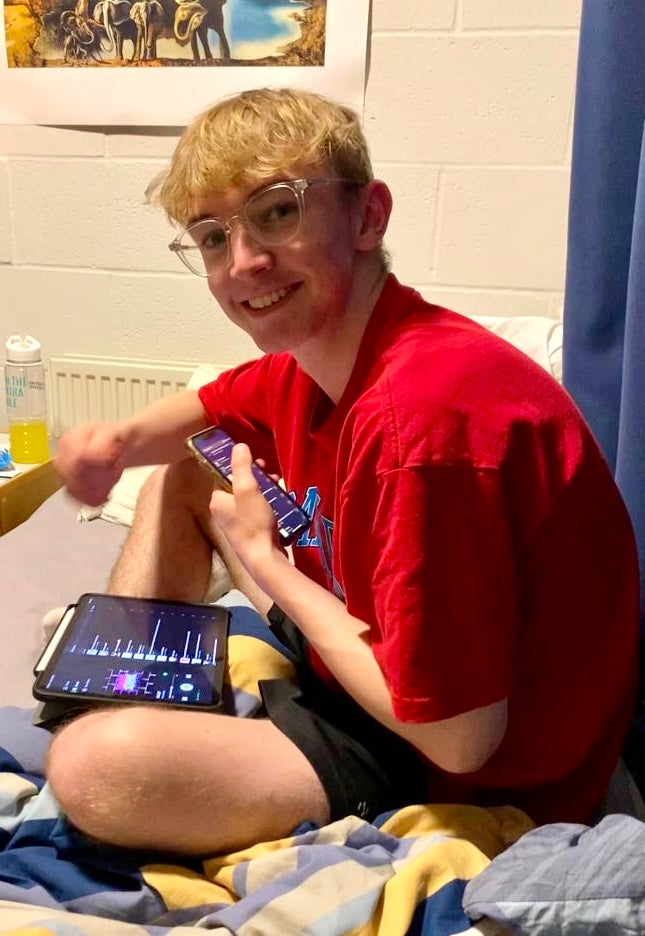
Ms Johnson believes her son’s social media use contributed towards his suicide - not through a dangerous trend or malicious dark web content - but a “drip, drip, drip” of “comparison culture” that led him to feel unsatisfied and numb in his own life.
Sir Keir Starmer is facing pressure to introduce tighter restrictions on social media use for children after the House of Lords backed an amendment to the government's schools bill that would introduce a ban for under-16s.
His government announced it will launch a consultation on whether to follow in Australia’s footsteps and ban social media for children after the prime minister said “nothing is off the table”.
Ms Johnson told The Independent she supports a social media ban for under-16s, warning we are “sleepwalking into a disaster”.
“Leo knew social media wasn’t good for him,” she said. “He knew he was spending too much time online. He was comparing his life to what he was seeing - he wanted more than he had.”
Ms Johnson believes her son was a “responsible” social media user, mostly browsing video sharing platforms. After he died, she said police found no evidence he had been sucked into a sinister or illegal online world.
But she said things he saw online caused him to question his own life and compare himself to others constantly.
“He used to say a lot, ‘I wish I was doing this, or I wish I was doing that’,” she said. “Yet to us, he was living an incredible life.
“He had lectures on boats, he was out diving as part of his university course. But with all the incredible places he was seeing online, he wanted more than he had.”
Following Leo’s diagnosis, Ms Johnson said he had deleted some of his social media accounts and spoken to his friends about doing the same, telling them he “wanted to spend more time outdoors”.
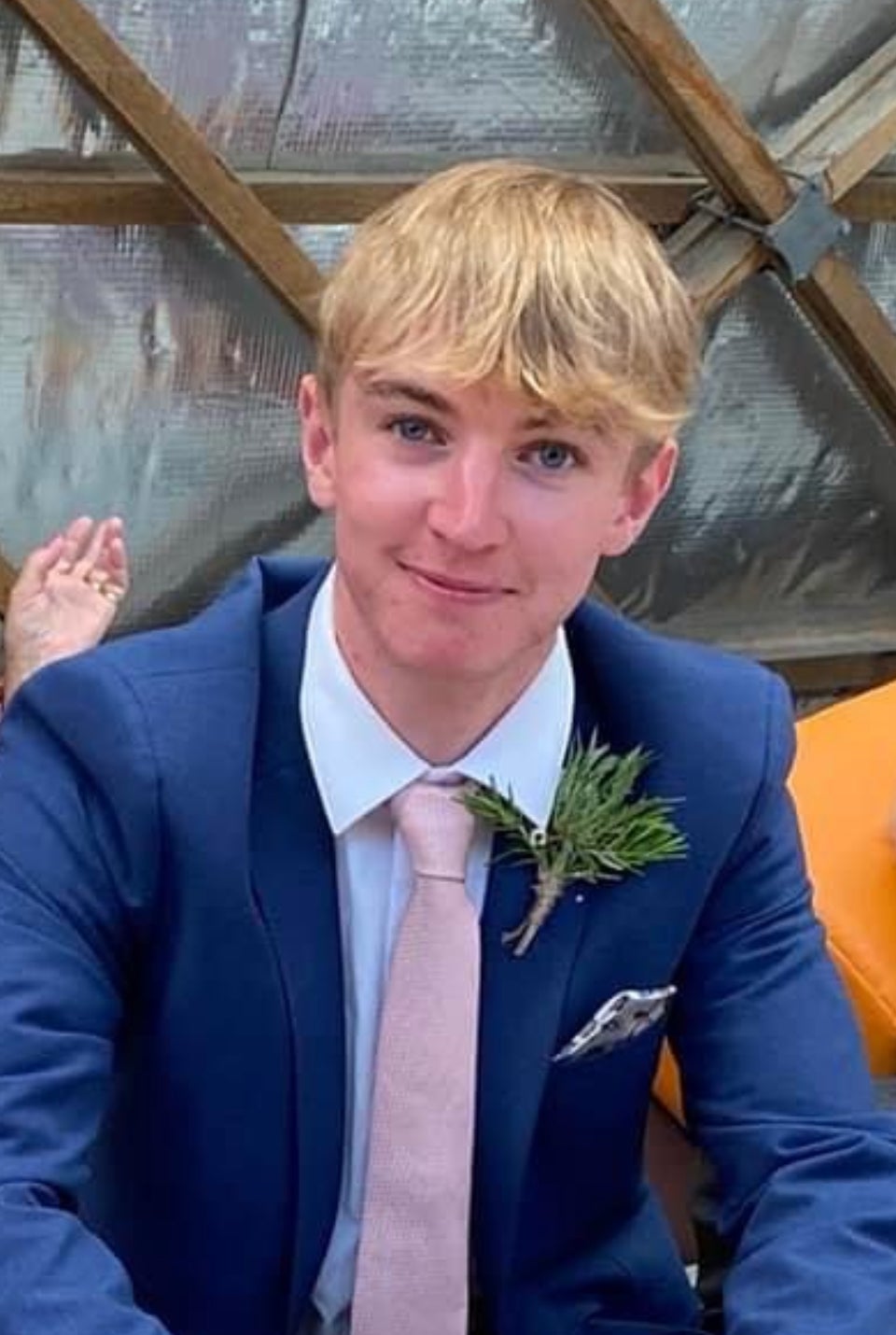
“I think he was very self aware because he tried doing lots of things to try and improve his mental health,” she said. “He knew that was part of what was affecting him.”
At Leo’s inquest, Ms Johnson said doctors described her son as “anhedonic”, a term used by medics to describe an emotional apathy and inability to experience pleasure that is often a symptom of depression.
She said his friends also spoke of him being “glued” to his tablet and constantly watching videos.
“I am absolutely convinced with the evidence we've got from the inquest and just anecdotal evidence from his friends that the day-to-day drip, drip, drip of social media played its part,” she said.
Ms Johnson believes Leo may have been suffering from “digital anhedonia” - the theory that the “rapid, algorithm-curated stimulation” of social media can train the brain to expect constant high-intensity rewards, therefore making everyday life feel duller.
Professor Shaheen E. Lakhan, a clinical professor in neuroscience at FIU Herbert Wertheim College of Medicine in Florida, first coined the term. He told The Independent that digital anhedonia comes from a “chronic exposure” to digitally delivered rewards that are “faster, more frequent, more personalized, and often more emotionally charged than anything the offline world can consistently provide”.
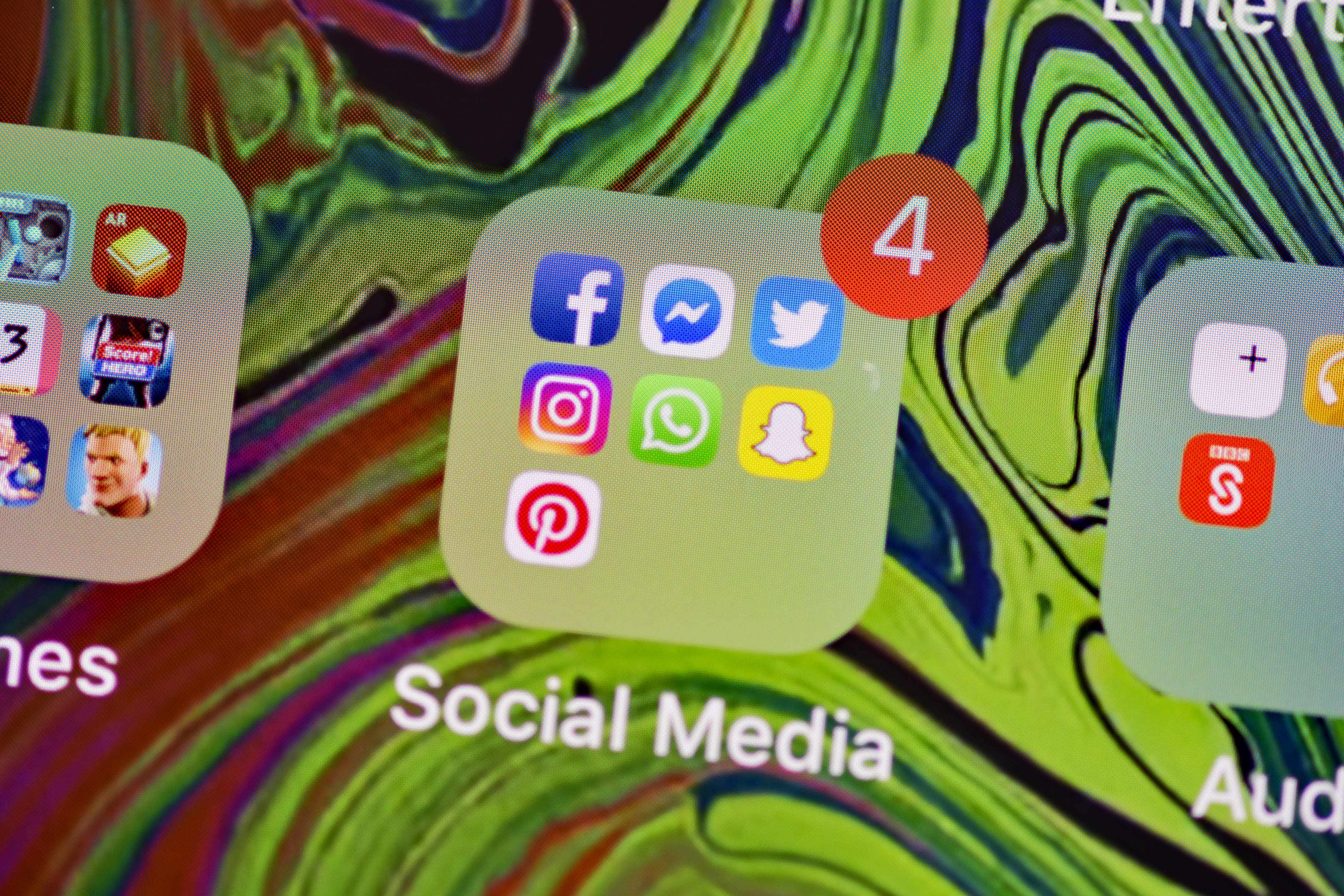
He said evidence shows “consistent associations” between heavy social media and smartphone use and outcomes that are known to be linked to reward-system disruption, including depressive symptoms and sleep disruption.
Prof Lakhan added that teenage brains are “uniquely vulnerable” to the phenomenon because of the way young people’s minds are wired.
“During adolescence, dopamine-mediated circuits that drive motivation and novelty-seeking are highly active, while the prefrontal cortex, the system responsible for impulse control and long-term judgment, is still maturing,” he explained.
“If you train the brain on instant algorithmic reward, you can unintentionally teach it that real life isn’t worth the effort.”
Ms Johnson believes a ban has the potential to help prevent other young people from falling into the cycle Leo had.
“I think we are sleepwalking into a huge potential future disaster,” she said. “I don't think the government is doing enough to legislate and protect young people.”
“Somebody does have to make a bold move,” she added. “If governments can stand strong and do something about it then we have the potential to turn it around.”
Her warning comes as three social media giants face a landmark trial in Los Angeles this week, accused of deliberately addicting and harming children through their platforms. Meta's Instagram, ByteDance's TikTok, and Google's YouTube are named in the claims.
A spokesperson for the department of science, innovation and technology told The Independent “nothing is off the table” when it comes to children’s safety.
They added the government is “unequivocal” about the “responsibilities online services have to keep people safe".
“Through the Online Safety Act, we have introduced some of the strongest online safety protections in the world, requiring platforms to protect children from harmful content. Companies that fail to comply could face significant fines,” they said.
“But we were always clear that the Act wasn't the end of the conversation. We're also launching a national consultation on bold measures to protect children online, from banning social media for under-16s to tackling addictive design features.
“We want to hear from families like this one, because when it comes to children's safety, nothing is off the table."
If you are experiencing feelings of distress, or are struggling to cope, you can speak to the Samaritans, in confidence, on 116 123 (UK and ROI), email jo@samaritans.org, or visit the Samaritans website to find details of your nearest branchIf you are based in the USA, and you or someone you know needs mental health assistance right now, call or text 988, or visit 988lifeline.org to access online chat from the 988 Suicide and Crisis Lifeline. This is a free, confidential crisis hotline that is available to everyone 24 hours a day, seven days a week.If you are in another country, you can go to www.befrienders.org to find a helpline near you
Join our commenting forum
Join thought-provoking conversations, follow other Independent readers and see their replies
Comments
Bookmark popover
Removed from bookmarks