Scotland takes next step towards lynx reintroduction
Return of key species after more than 500 years could control damaging surge in deer numbers and boost tourism
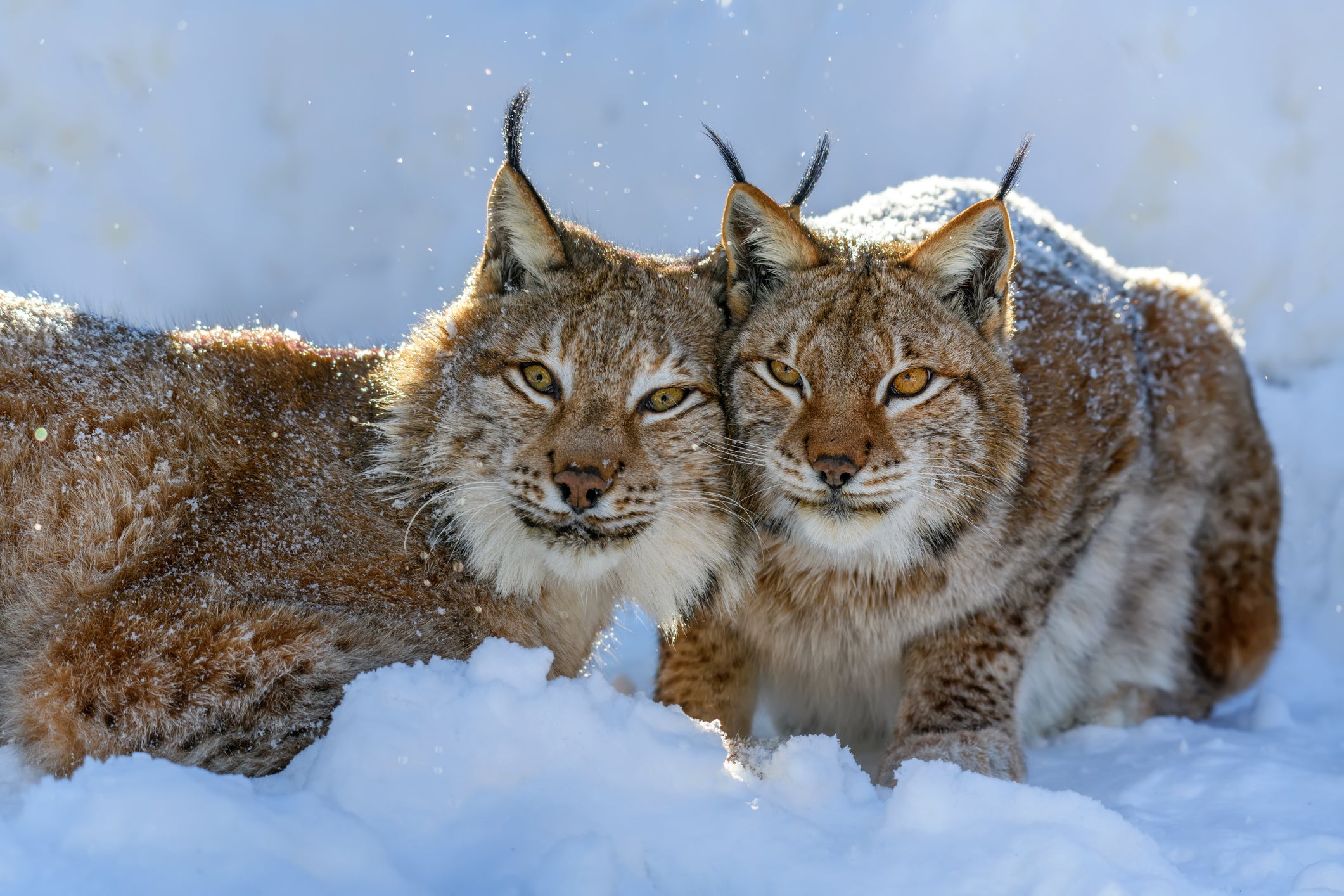
The reintroduction of lynx , a species which has been extinct in Britain for at least 500 years, to northern Scotland is one step closer as a major consultation with local people is launched to seek their views on the potential return of the animals to the wild.
The elusive medium-sized cats pose no threat to people, help maintain healthy ecosystems and prey on deer, which have exploded in numbers in recent decades, reaching their highest levels in 1,000 years.
Charities supporting the reintroduction of lynx to their natural environment say their return to Scotland “could bring significant benefits for biodiversity, landscapes, communities and businesses”, including by helping to manage deer numbers, and through tourism.
They said potential unwanted impacts could be carefully managed, and that the region contains some of Scotland’s best lynx habitat, with enough woodland and wild prey to support up to 250 of the cats in total.
This month, dozens of events in the Highlands and Moray will offer information and gather local views on the benefits and concerns that would come with the species’ return.
Since 2020, the group Lynx to Scotland has assessed whether and how lynx could return to the Highlands through a carefully managed reintroduction process. The group is made up of Scotland: The Big Picture, Trees for Life, and The Lifescape Project.
Steve Micklewright, chief executive of Trees for Life, said: “Northern Scotland can support a thriving population of lynx, but social acceptance is just as important – so we are exploring in detail how people feel about bringing back this important missing native species.”
-female-in-birch-wood-Norway-scotlandbigpicture-com.jpg)
Any reintroduction would begin with a small number of lynx, with up to 20 in total being released gradually over several years. Long-term monitoring via tracking collars and camera traps would be key to tracking any negative impacts, such as sheep predation, alongside benefits such as gains for biodiversity and tourism revenue.
“Scotland has lost more of its native wildlife than almost any other country. Reintroducing lynx could help restore balance and breathe new life into Highland and Moray landscapes, but it would be essential to do this in a considered, responsible way that addresses questions and concerns,” said Scotland: The Big Picture’s chief executive, Lisa Chilton.
Scotland is one of only a few countries in the lynx’s natural range where the cat is still missing. Hunting and habitat loss are believed to have driven lynx to extinction in the country several hundred years ago.
Meanwhile, the overabundance of deer is having a negative toll on the environment. The surge in numbers – with populations doubling since the 1990s – has caused significant damage by preventing woodland regeneration, halting peatland recovery, and reducing biodiversity. The boom is now threatening Scotland’s climate goals by impacting carbon storage and creating conflict with farming and forestry.
Their heavy browsing and trampling stops young trees from growing, damages existing forests and peatlands and leads to landscape degradation and worsening issues like soil erosion. Traffic accidents involving deer are also a significant road safety issue in Scotland, with around 1,850 incidents annually.
Lynx to Scotland is now inviting local people, organisations and land managers – including livestock farmers, foresters, gamekeepers and deer stalkers – to share their views and help contribute to plans to minimise any unwanted impacts and also maximise the benefits of a reintroduction.
“We are keen to hear from the people living and working in the regions where lynx could one day be reintroduced. Their views will help shape how a reintroduction might be managed, if it were to go ahead,” said Adam Eagle, Lifescape’s chief executive.
Details of all the public events are being mailed to 89,000 households across 37 postcodes, ahead of the first public information sessions on 26 January 2026.
The announcement of the plans comes a year after four lynx were caught in Scotland’s Cairngorms National Park after allegedly being released illegally, sparking a criminal investigation which is still ongoing.
One of the animals died hours after being recaptured. Numerous environmental groups condemned the suspected release, saying it had undermined rewilding efforts.
Experts told Scottish paper The Herald: “It’s not a good look for Scotland. It’s not a good look for legal and well-planned reintroduction projects. It’s not good for any future possibility of lynx reintroduction into the UK.”
Join our commenting forum
Join thought-provoking conversations, follow other Independent readers and see their replies
Comments
Bookmark popover
Removed from bookmarks