Lynx rewilding project under threat as EU funding ends
A scheme to re-introduce endangered lynx to Spain has proved hugelty successful, but the future is uncertain as funding ceases at the end of this year. Graham Keeley reports from Extremadura, in western Spain
Blink and you miss her: Vírgula shoots out of the box she was held in and dashes to freedom.
Her distinctive pointy ears and dotted brown fur seem a blur as the Iberian lynx charges away to a new life in a remote country estate in Spain.
The one-year-old female, who was bred in captivity, is the latest alumni of one of the most successful conservation projects of the 21st century.
The Iberian lynx was on the edge of extinction around the turn of the century after hunting and successive waves of myxomatosis and pneumonia wiped out its favourite delicacy: the rabbit.
By 2002, there were fewer than 100 known to be alive and lynx pardinus was about to be consigned to the history books, like the dodo.
.jpeg)
In an ambitious effort to save the species, over €88 million (£76m) was invested in a re-wilding scheme. At least 60 per cent of the money has come from the European Union, the rest from the Spanish and Portuguese governments, regional authorities and private companies.
Conservationists staged a hearts and minds campaign to convince local communities, from politicians to school children and even hunters, to ensure the survival of this distinctive creature.
These big cats are reared in captivity then released into the wild in areas stocked with rabbits.
By 2023, lynx numbers reached 2,021 according to the last census, and its status has changed from being on the point of extinction to vulnerable.
At the next census at the end of this year, this number could rise to 2,400, conservationists say.
However, the Life LynxConnect project comes to an end in 2026 and now the lynx faces an uncertain future.
In the future, conservation and rewilding programmes will depend on the will – and financial muscle – of regional governments around Spain and in Portugal.
The reintroduction of the lynx has met resistance in Catalonia, Aragon and parts of Castilla y Leon in northern Spain who see it as another predator.
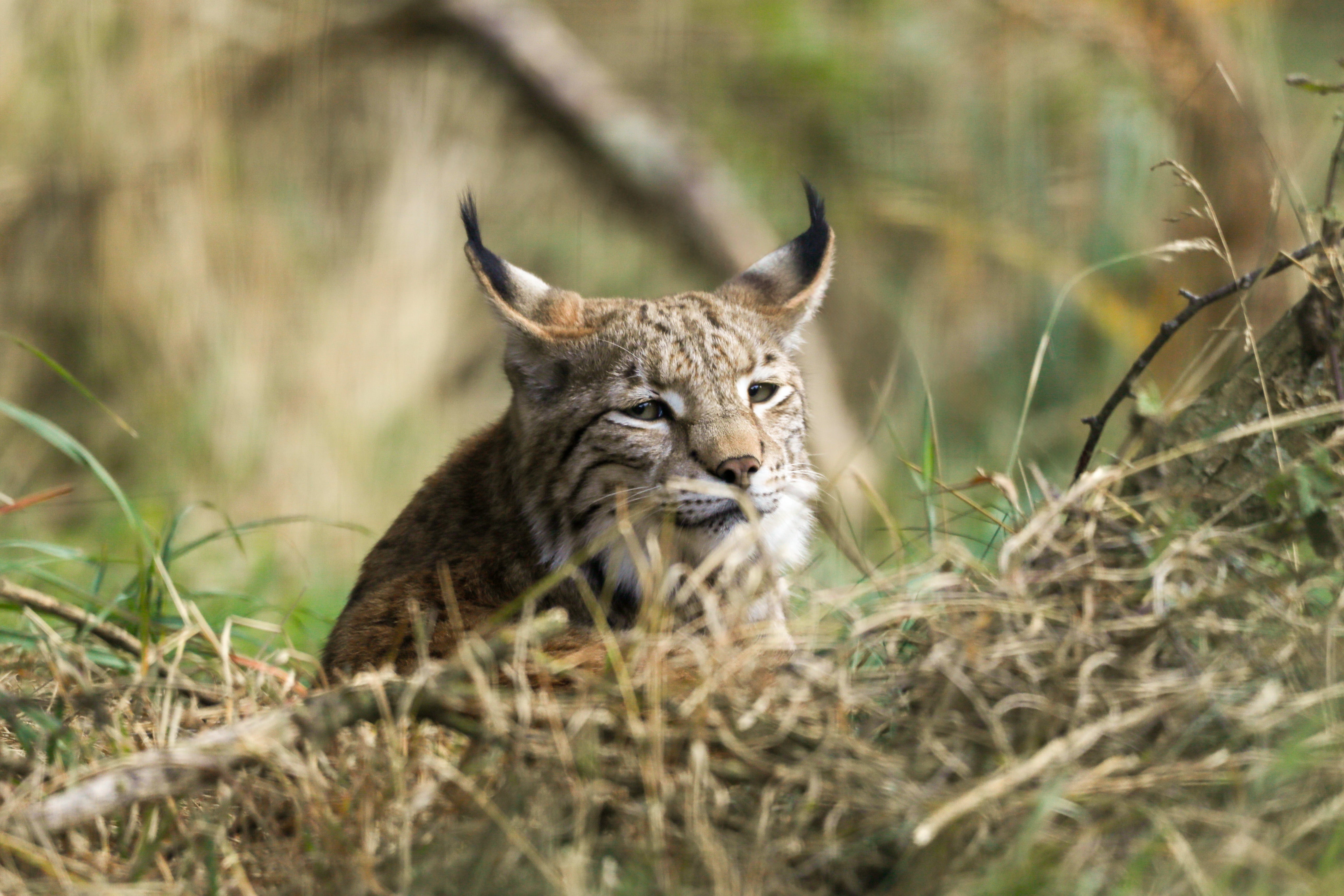
Once hunted for 4 pesetas per skin, the Iberian lynx lives in some of the most exclusive estates in rural Spain, welcomed by their wealthy hosts because they kill rival predators and make the estates more attractive for hunting.
An 8,000-hectare estate in Valencia de las Torres, in the south of Extremadura, in western Spain, is home to the largest number of lynxes in the country – 60 at the last count.
The plaything of Sheik Mansour, better known as the owner of Manchester City football club, this preserve is teeming with rabbits, deer and partridges.
Driving around for three hours in search of the elusive lynx, rabbits were so abundant we easily could have run one over.
Elsewhere, on Los Encomiendas estate, we wait at the top of a hill until the beep of the forest ranger’s radio suddenly tells us a lynx is nearby.
Quietar, a three-year-old female, is tagged with an electronic collar, so conservationists can track her movements.
Suddenly, she is in front of us, almost like a domestic cat – until she darts away.
However not everyone is charmed.
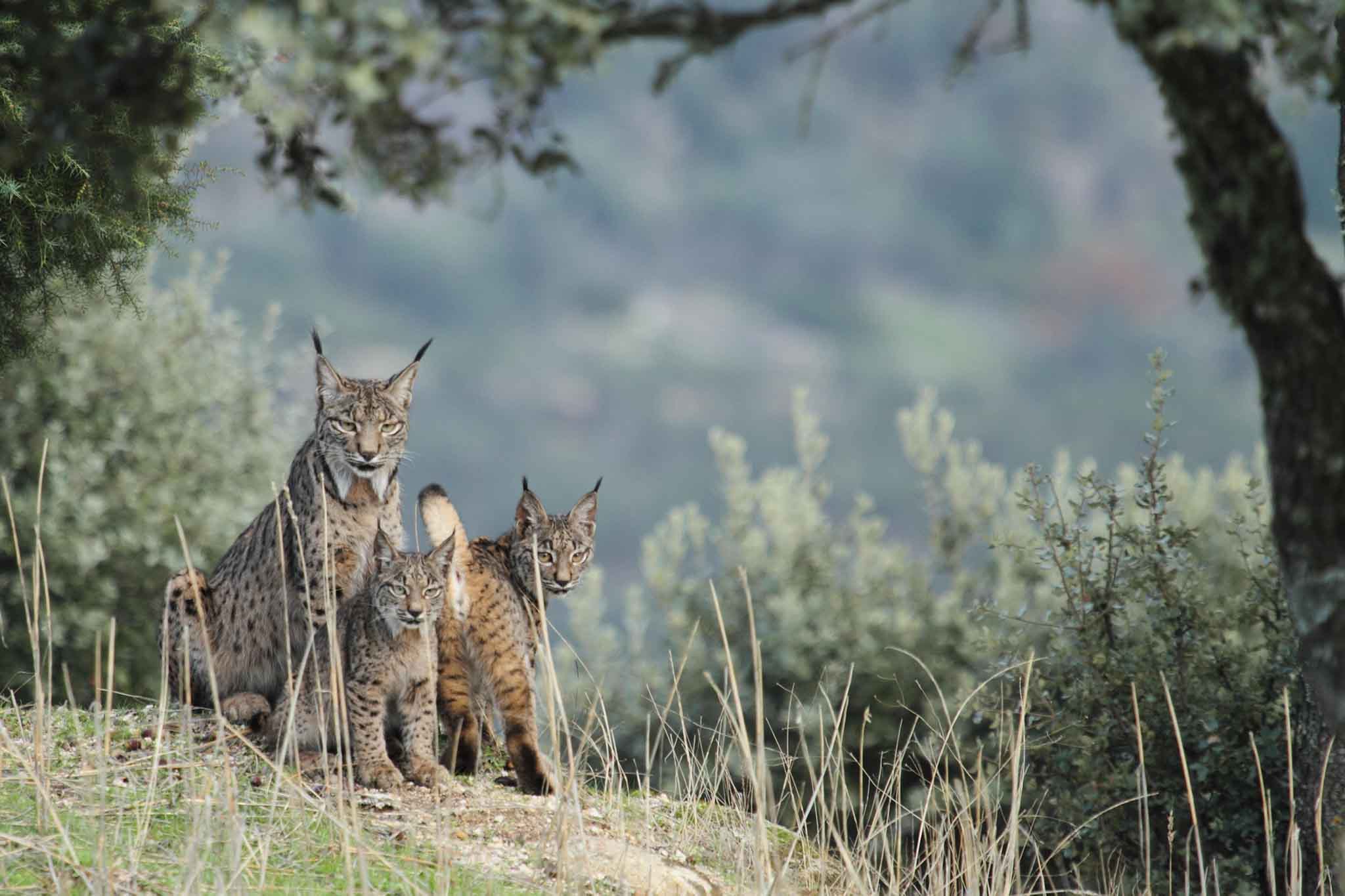
Farmers in Zamora, a province in northern Spain famous for its wolf population, do not welcome another predator even though the lynx kills young deer and foxes but never takes livestock.
In Aragon, eastern Spain, the conservative People’s Party rules with the help of the far-right Vox party. But Vox, keen to ally itself with farmers’ vote, has opposed the reintroduction of the lynx – for now.
Revolta Pagesa, a protest group in Catalonia made up of farmers who are fond of staging tractoradas – blocking the roads with their tractors - forced the Catalan regional authorities to abandon plans to introduce the Iberian lynx.
Despite the lynx’s voracious appetite for pests, farmers from inland Catalonia do not welcome the animal’s return, even though there is a plague of rabbits around the agricultural areas near the city of Lleida.
Authorities shot 26,000 rabbits between January and March because the animals have ravaged crops.
Imma Puigcorbe, of Revolta Pagesa who is also a veterinarian, argues that research published in the Journal for Nature Conservation shows the lynx would not help kill off the rabbit plague.
“A study has shown that the lynx just picks on the youngest and weakest rabbits so in fact rabbit populations thrive where the lynx is present, instead of decreasing,” she tells The Independent.

Maria José Palacios, director of the lynx conservation programme in Extremadura, who works with the Spanish government to preserve flora and fauna, says despite some objections to its rewilding, she is confident of the lynx’s future.
“In the short term I see the future of the lynx as very good. We can continue to work with the owners of estates, with groups of hunters, with mayors of villages. We have managed to make people see that the lynx is our ally,” she said.
“In the longer term, we have to continue investing to ensure that we avoid the biggest danger to the lynx: the deaths on the roads.”
Signs by the roads in Extremadura warn motorists to slow down not to run over these protected cats. But there is little sign drivers take note. Some 23 lynx were killed by drivers in this region alone, officials said, so tunnels were built under roads.
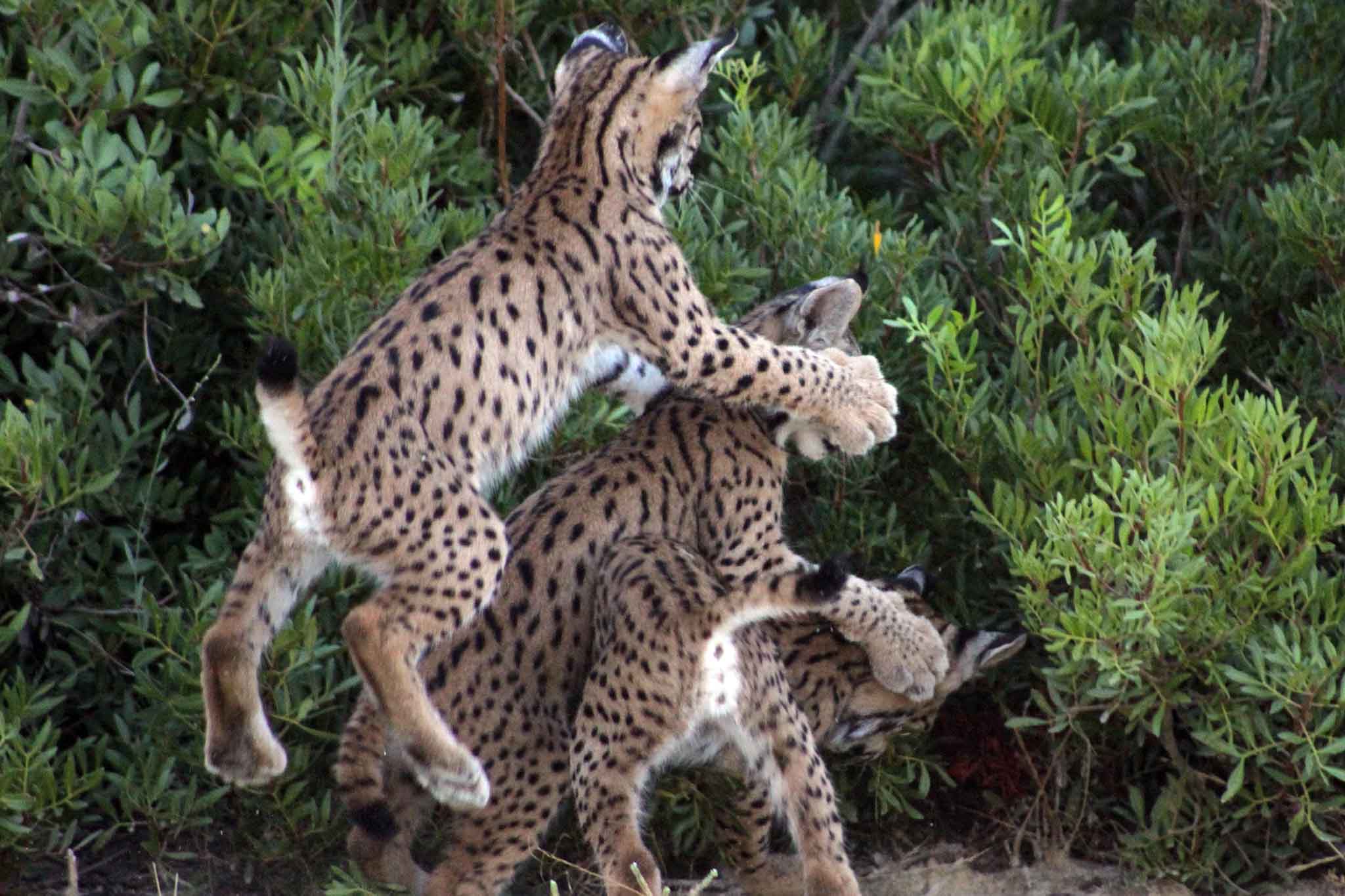
Felipe Gómez is a perfect example of how hunters now view the lynx as an essential part of the ecosystem.
From Monday to Friday, he works to protect the lynx in Extremadura but on the weekend, he indulges in his hobby: hunting. Deer, rabbits, partridges are the quarry.
“I think it is a good thing to balance sustainability and hunting. Thanks to hunters, the lynx is in private hunting grounds but as a protected species. It has opened the world to the possibility of both living together.”
Join our commenting forum
Join thought-provoking conversations, follow other Independent readers and see their replies
Comments
Bookmark popover
Removed from bookmarks