‘A stranger told me to check a mole on my back for skin cancer - she saved my life’
A stranger’s warning on the street turned into a life-saving experience from skin cancer
A woman who survived skin cancer is searching for the stranger who saved her life by warning her to get her back mole checked out by a doctor.
Emma Wigmore, 50, from Chelmsford in Essex, was enjoying a summer’s day on the South Bank, in central London, with her friends in June 2025, when she had a chance encounter with an off-duty dermatologist who noticed a “worrying” mole on her back.
Ms Wigmore explained that a woman came up behind her and gently touched her arm before saying: “I hope you don’t mind. You might not realise this, but you’ve got a mole on your back and I’m a dermatologist, and I’m a little bit worried about it.”
The “nervous” dermatologist was hesitant to approach at first, but said she would’ve felt “dreadful” and “couldn’t live with herself” if she didn’t raise her concerns. She also tried to reassure Ms Wigmore by saying “it’s probably nothing, they’ll just whip it out.”
Ms Wigmore told The Independent that she was “confused” at first and explained “I knew that I had moles, but I had never really been concerned about any of them.” She added: “The fact she’d thought so much about whether to speak up made me take it seriously.”
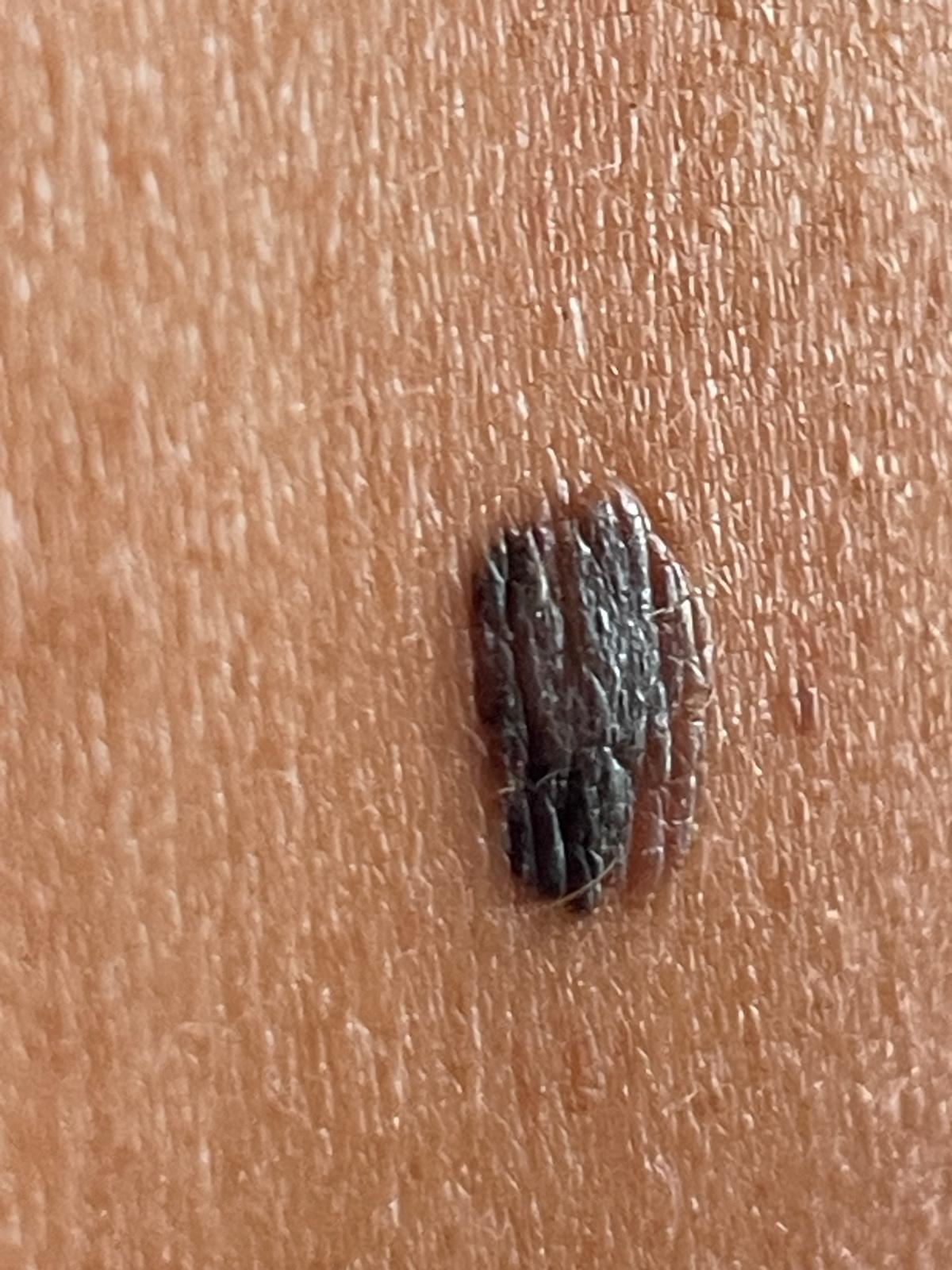
As soon as she returned home after that weekend, Ms Wigmore immediately made an appointment with her GP who then urgently put her on a six week cancer referral pathway.
Ms Wigmore then went to a private doctor who took one look and said, “You are not going anywhere with that mole - it needs to come out immediately.” She was meant to go on holiday the following week but the doctor said, “No, that will have to wait — this is time critical.” The surgeon then removed the mole the next day.
Two weeks later while she was finally on holiday she got the call to inform her that it was melanoma - a serious type of skin cancer. Luckily the doctor was able to catch it at stage 1 instead of it progressing to stage 2, which has a higher risk of spreading to the lymph nodes and would require chemotherapy or radiotherapy treatment.
The doctor told her plainly that if the mole was left untreated any longer, it would have become “much more serious”.
Ms Wigmore explained that if that stranger hadn’t stopped her, she would never have noticed the mole. She explained the mole had gone unnoticed for so long because she rarely wears backless dresses or has hair up, due to feeling self-conscious about scarring from a previous brain-tumour surgery.
Her health has since recovered and will be monitored for the next five years through mole mapping - a dermatological technique which records all moles on the skin using advanced technology to track changes over time.
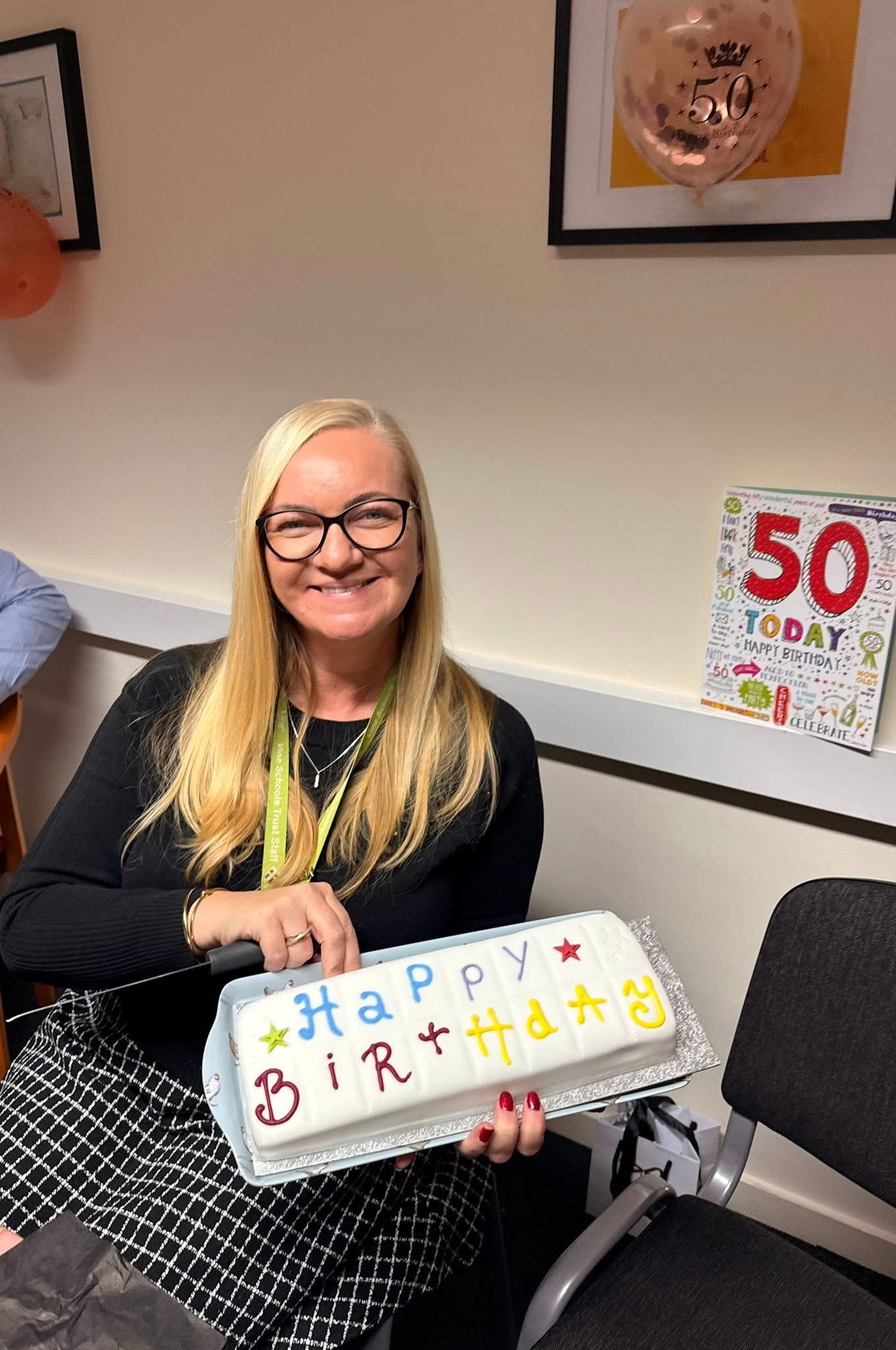
Ms Wigmore is now appealing to the public to find the dermatologist who saved her life. She said: “I would love to find her to thank her for having the courage to stop me in the street and to tell me about her concerns.”
“Before I had time to ask anything else, she was gone. I never even got her name”, Ms Wigmore said.
She described the dermatologist, who stopped her on the South Bank in London at about 5pm on 21 June 2025, as a woman possibly in her 30s/40s with dark hair and an Irish accent.
Ms Wigmore added: “I would just like to warn the public that we must keep an eye on our moles…We are the age group at risk of now developing skin cancer..”
Melanoma is the fifth most common cancer in the UK, with around 17,000 people diagnosed each year, yet when it’s found early, around nine in ten people survive for at least ten years, according to cancer charity Melanoma UK.
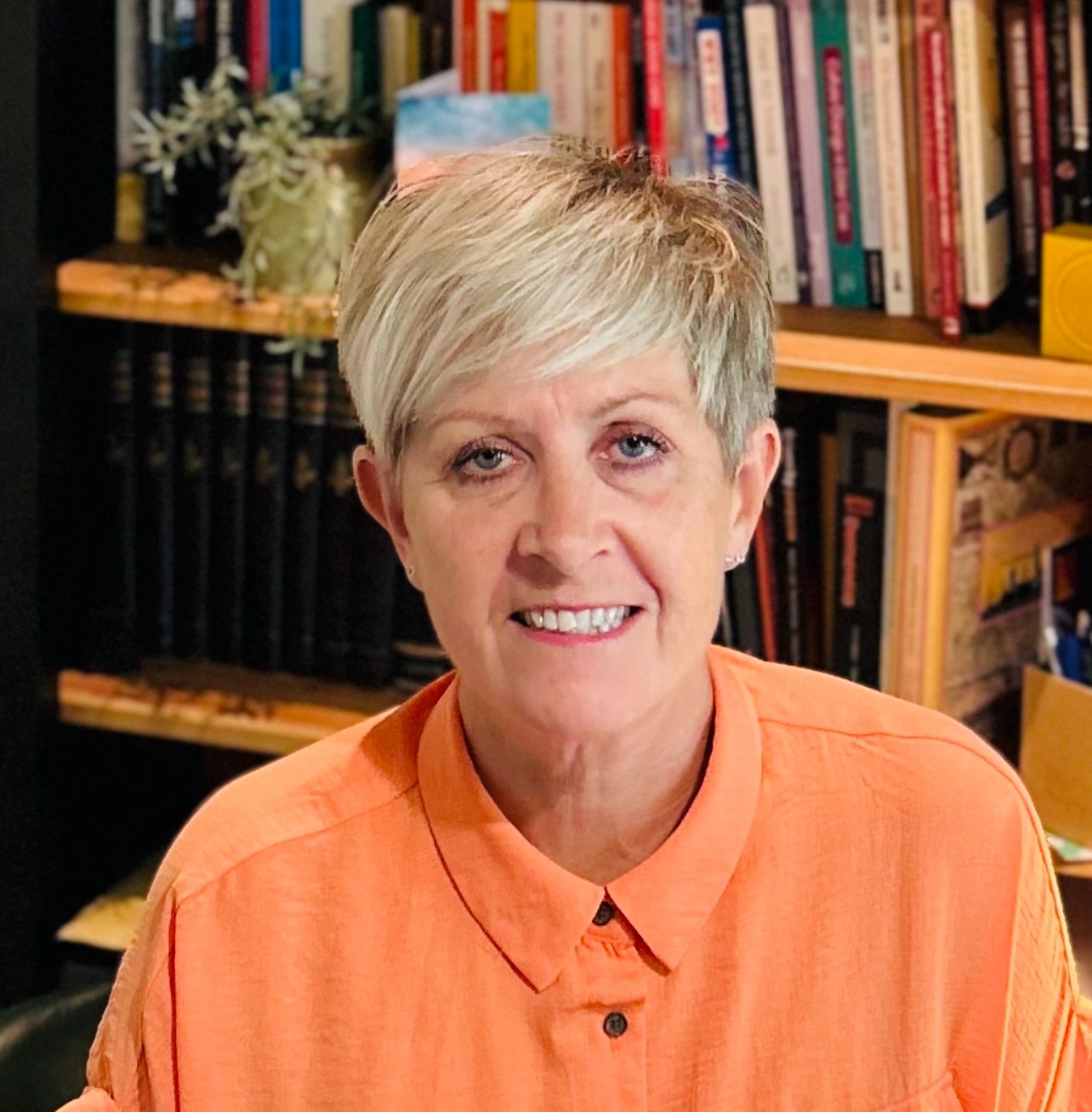
Tracy Paine, CEO of Melanoma UK said: “This story is a reminder that melanoma can often be caught early if we pay attention.”
“Just as importantly, most cases are preventable, and protecting skin from UV damage — through shade, clothing and sunscreen is easy.”
Ms Paine advises regularly checking your moles using the “ABCDE rule” — looking out for “Asymmetry, Border irregularity, Colour change, Diameter growth and Evolution over time” as early warning signs.
She also warned that UV protection matters all year-round, as UV rays are present even in winter and on cloudy days. She explained simple daily habits such as using “sunscreen, covering up between 11am and 3pm, and avoiding sunbeds are proven to reduce risk.”
Join our commenting forum
Join thought-provoking conversations, follow other Independent readers and see their replies
Comments
Bookmark popover
Removed from bookmarks