New personalized skin cancer treatment shows success in preventing return of high-risk melanoma
Patients with severe melanoma who received the treatment were 49% less likely to die or have their cancer return, pharmaceutical companies Moderna and Merck announced in five-year findings.
A new personalized skin cancer treatment is showing success in preventing the return of high-risk melanoma.
Five-year study results were announced on Tuesday by pharmaceutical companies Moderna Inc and Merck & Co., who said the findings mirrored earlier three-year results.
The treatment - an “investigational mRNA-based individualized neoantigen therapy” - targets the genetic profile of individual tumors, instructing the body how to find and fight specific cancer cells. It is highly personalized and has the potential to be much more effective than broad-spectrum chemotherapy or radiation.
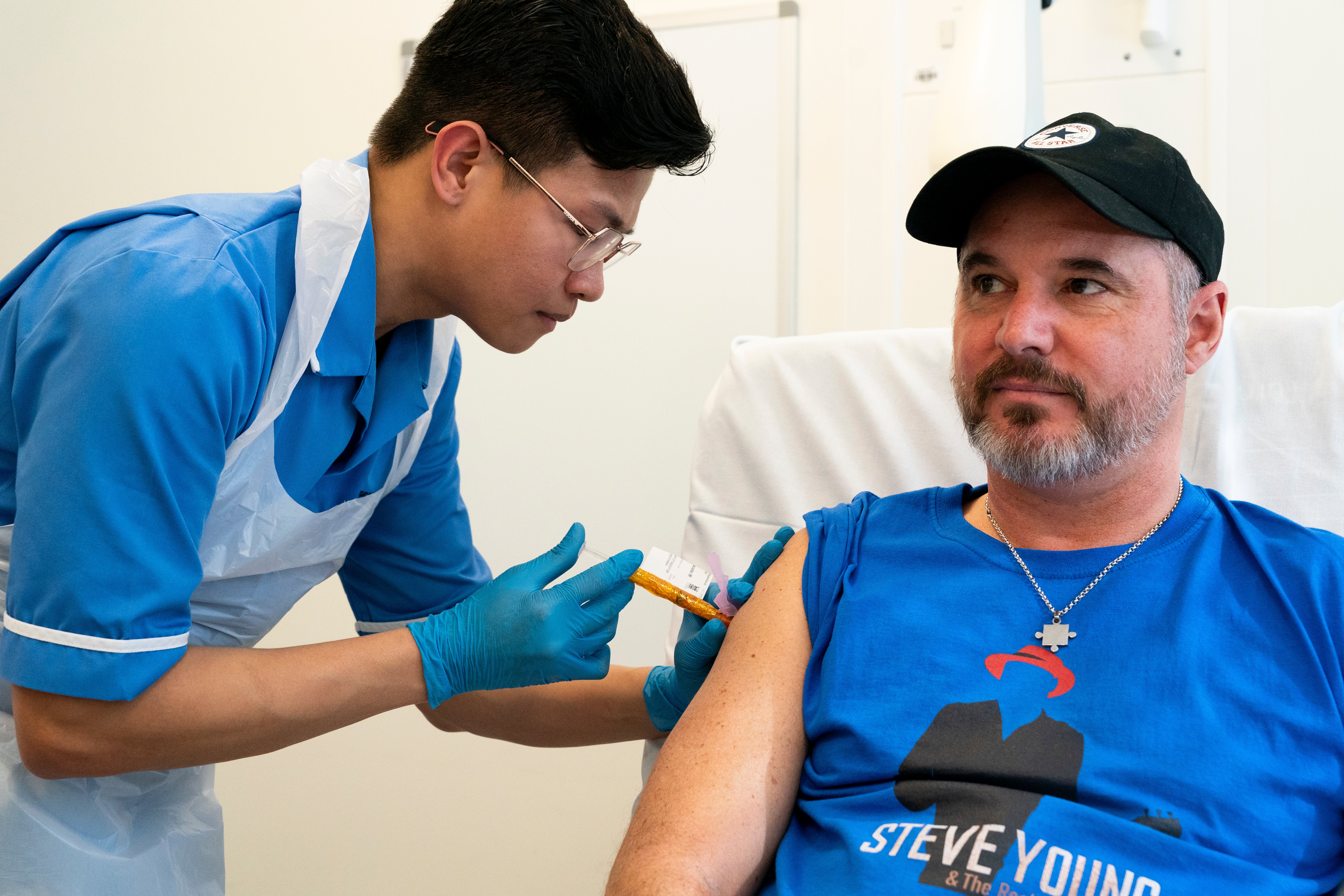
Patients with severe melanoma who received the treatment - in conjunction with Merck’s cancer drug Keytruda - were 49% less likely to die or have their cancer return compared to those who received only Keytruda, the companies said in a release announcing the findings.
“[T]oday’s results highlight the potential of a prolonged benefit of the intismeran autogene and KEYTRUDA combination in patients with resected high-risk melanoma,” said Kyle Holen, M.D., Moderna’s Senior Vice President and Head of Development, Oncology and Therapeutics.
“We continue to invest in our platform in oncology because of encouraging outcomes like these, which illustrate mRNA’s potential in cancer care.”
Skin cancer is the most common form of cancer in the US; one in five Americans will develop some form of skin cancer before the age of 70, and around five million are treated for it each year, according to the Department of Health and Human Services. Treatment for skin cancer costs more than $8 billion annually.
Melanoma is a specific type of skin cancer that develops when melanocytes, or tanning cells, start to grow out of control. It accounts for only about 1% of skin cancers but causes the majority of skin cancer deaths, with the American Cancer Society estimating that 8,510 Americans (5,500 men, 3,010 women) will die of melanoma this year.
Most skin cancers are preventable, according to the HHS, which advises people to wear hats, sunglasses, and other protective clothing, especially during midday hours, and use broad-spectrum sunscreens with SPF 15+ to protect any exposed skin.
The department points to tanning beds in particular as being responsible for around 6,000 cases of melanoma each year. Melanoma is more dangerous than other skin cancers because it’s much more likely to spread to other parts of the body if not found and treated early.
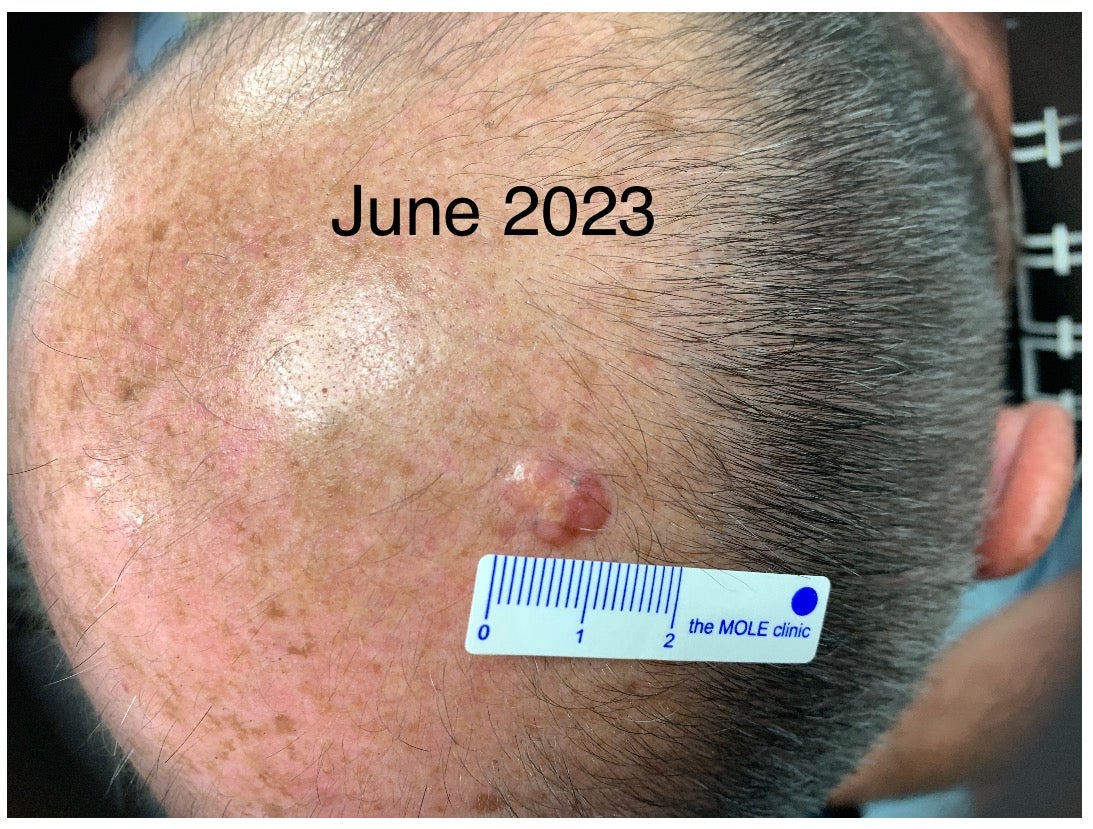
Those who are treated for stage three or stage four melanoma face a “significant risk of recurrence following surgery”, said Dr Marjorie Green, senior vice president and head of oncology, global clinical development, Merck Research Laboratories, who added that the latest findings were a “meaningful milestone”.
The positive findings will be particularly welcome for Moderna, which has been struggling financially following a collapse in demand for its COVID vaccine. Last week, it announced it expected to report around $1.9 billion in sales; that’s near the upper end of its previously projected $1.6 billion to $2 billion forecast, but still well below its pandemic windfall of $18.4 billion in 2022.
Moderna and Merck are now testing the new treatment combination in other cancer types, including lung, bladder and kidney.
Join our commenting forum
Join thought-provoking conversations, follow other Independent readers and see their replies
Comments
Bookmark popover
Removed from bookmarks