‘My daughter, 12, took her own life after NHS failed to spot brain condition’
The mother of Mia Lucas says she will never forgive NHS staff after an inquest found that inadequate testing had ‘possibly contributed’ to her death
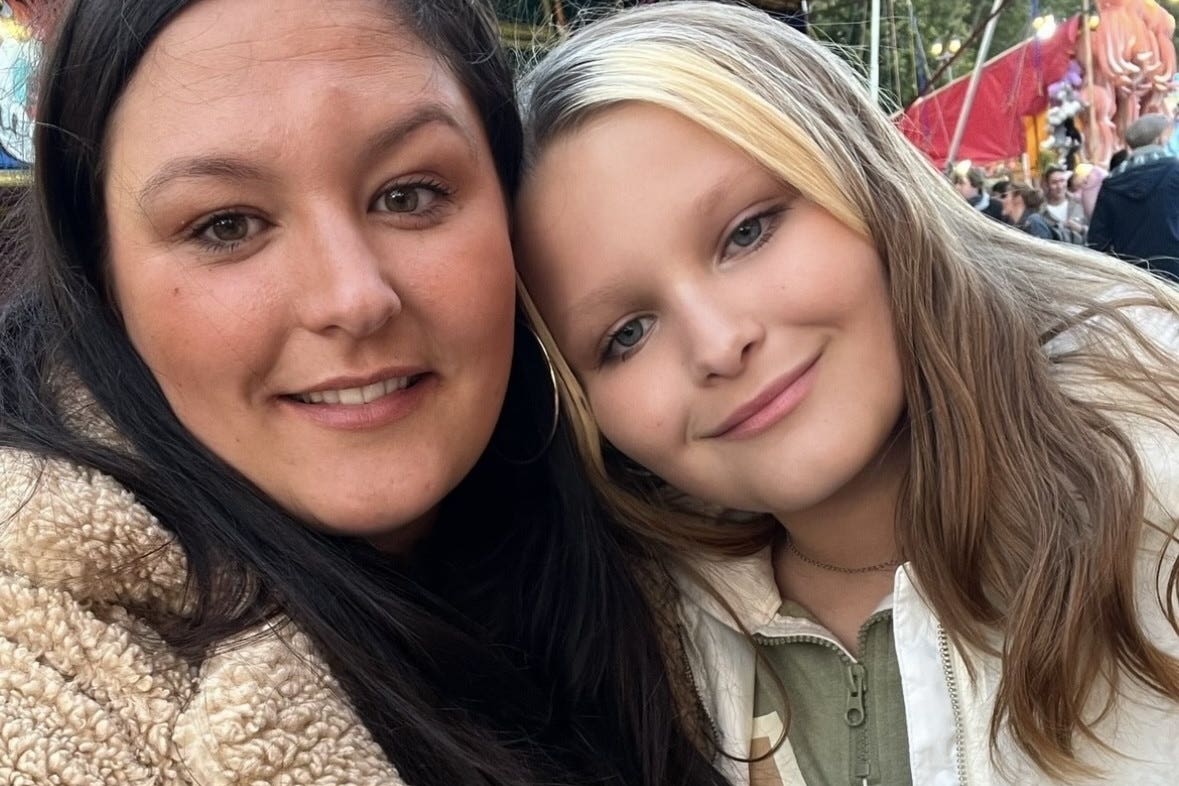
The mother of a 12-year-old girl who took her own life after being sectioned has vowed that she will “never forgive” the doctors she blames for failing to diagnose an underlying brain disorder.
Chloe Hayes criticised a “failure to provide appropriate care to her in her time of need” after an inquest jury concluded that inadequate testing at Nottingham’s Queen’s Medical Centre (QMC) had “possibly contributed” to the death of her “beautiful little girl”, Mia Lucas.
The trust overseeing QMC has since issued an apology to Ms Hayes and her family, saying that it was “truly sorry” that further crucial tests were not conducted.
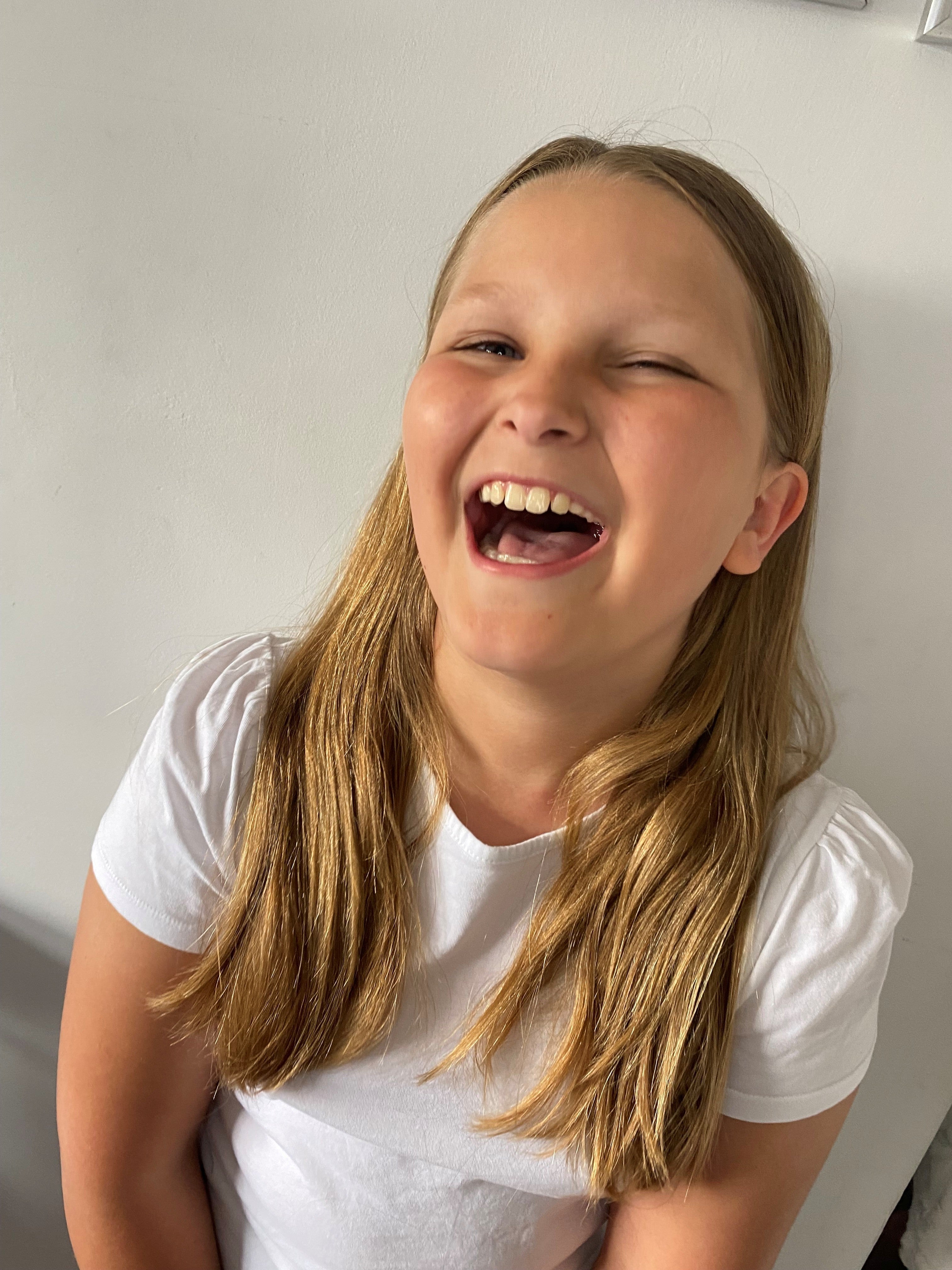
Mia was found unresponsive in her room at the Becton Centre, which is part of Sheffield Children’s Hospital, on 29 January 2024.
The jurors heard that Mia was suffering from undiagnosed autoimmune encephalitis, a swelling of the brain, which would have been the cause of the acute psychosis she was exhibiting.
This diagnosis only emerged partway through the nine-day inquest, after a pathologist revealed that she had just received new post-mortem examination test results, provoking shock in the courtroom and tears among Mia’s relatives gathered in the public gallery.
On Thursday, the jury found that the failure to perform a lumbar puncture at QMC before Mia’s transfer to the Becton Centre had “possibly contributed to Mia’s death”.
The jury also said there was a failure at the Becton Centre to respond adequately to Mia’s risk of self-harm.
In a statement after the inquest, Ms Hayes said: “It has been devastating to listen to how, when she needed specialist healthcare for the first time in her life, she was so badly let down.
“She was let down at the Queen’s Medical Centre in Nottingham, who wrongly decided there was no underlying physical cause of her psychosis, and failed to carry out appropriate testing.
“I believe they simply dismissed her and looked to pass her on to mental health services as quickly as possible, which led to her transfer to the Becton Centre.”
Ms Hayes continued: “Her mental health spiralled deeper out of control there, as she was not being treated for her condition, and the many failings and lack of care meant sadly she wasn’t properly protected from harming herself.”
She said: “My beautiful little girl has lost her life and I will never forgive the Queen’s Medical Centre or the Becton Centre for failing her.”
Ms Hayes said the Becton Centre had “proved to be completely unsuitable for [Mia], and one which failed to keep her safe”.
She added: “I have never believed for a moment that Mia ever wanted to take her own life. She was always a happy, healthy child and had so much to live for.”
Ms Hayes said she wanted everyone to know that Mia’s extreme behaviour was only evident in the final few weeks of her life, and that “for the other 12 years, she was a beautiful soul who loved life and loved her family, and that’s how we want her to be remembered”.
She said Mia was a “happy, fun, friendly girl who had so much to live for”.
The inquest heard that Mia had begun to began to behave strangely over Christmas 2023 – including hearing voices and attacking her mother – and that her family became so concerned that she was taken by ambulance to QMC on New Year’s Eve.
She was found to be experiencing an “acute psychotic episode” and was sectioned under the Mental Health Act.

The jury of five women and four men heard that blood tests and an MRI scan were untaken at QMC, both of which were negative, and that doctors ruled out a physical cause for Mia’s psychosis.
But doctors at Nottingham decided not to order further tests, on brain-wave function and on spinal fluid via a lumbar puncture – tests that might have revealed the autoimmune encephalitis, which is very rare.
Mia was transferred to the Becton Centre on 9 January and died three weeks later.
In a narrative conclusion, the jury said: “The failure to undertake a lumbar puncture at this point [at QMC] meant that potential indicators of autoimmune encephalitis were missed. This possibly contributed to Mia’s death.”
The jury added that the information passed between QMC and the Becton Centre “provided an inappropriate level of assurance that organic causes had been ruled out”.
In relation to the Becton Centre, the jury concluded: “Insufficiently robust communication and management of risk led to a failure to respond adequately to Mia’s risk of self-harm.”
The jury also said that a “rare presentation of a rare condition” had provided “particularly complex challenges” in relation to diagnosis and care.
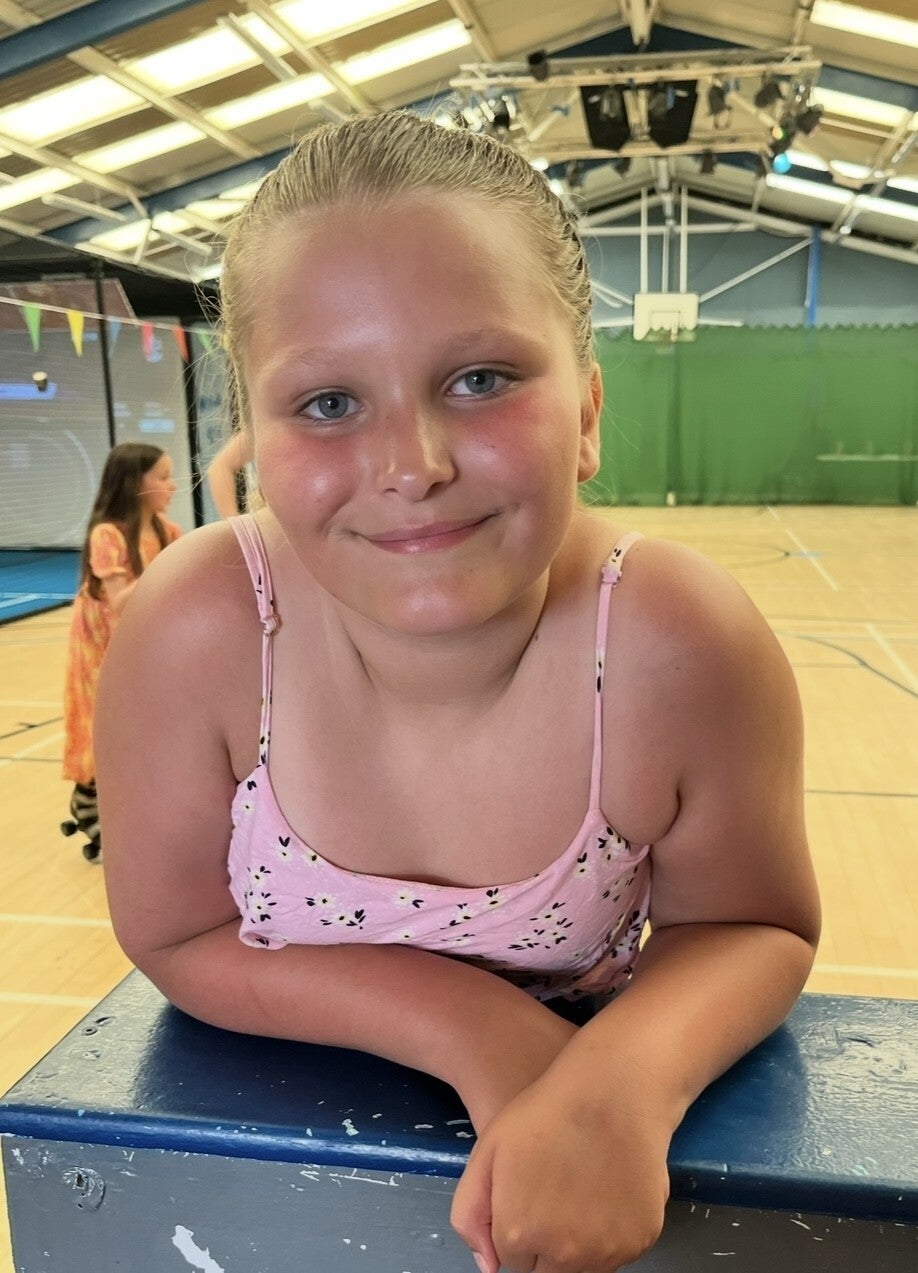
The jurors found, on the directions of the senior Sheffield coroner Tanyka Rawden, that Mia’s cause of death was “compression of the neck”, caused by “acute psychosis”, caused by “autoimmune encephalitis”.
They heard how Mia self-harmed in her three weeks at the Becton Centre, but the coroner said there was not enough evidence for the jury to find that staff handovers on 29 January had contributed to Mia’s death.
Ms Rawden said she would be writing to the health secretary, Wes Streeting, along with a number of professional bodies, to express her concerns about the lack of national guidance on testing for autoimmune encephalitis.
She said she was satisfied she did not need to write to Sheffield Children’s Hospital after hearing about a number of changes that had been made at the Becton Centre.
Ms Rawden said she would wait six months, to allow Nottingham University Hospitals to finish its own investigation, before considering writing a letter to that trust.
Ms Hayes’ solicitor Amy Rossall, of Hudgell Solicitors, said: “We’ve heard many comments about lessons being learnt as a result of what happened to Mia, and those learnings will hopefully help to avoid other families losing their children to the condition.”
Dr Manjeet Shehmar, medical director at Nottingham University Hospitals NHS Trust, said: “We accept the coroner’s outcome in court today and apologise to Mia’s family for not identifying autoimmune encephalitis while she was in our care.
“While this is an incredibly rare condition and initial tests were negative, we recognise that further testing may have had an impact on her future, for which we are truly sorry.”
Dr Jeff Perring, executive medical director at Sheffield Children’s NHS Foundation Trust, said: “We are deeply sorry for Mia’s death and recognise the profound impact this has had on those who loved her.”
Dr Perring outlined the changes made at the Becton Centre following a review of Mia’s care, and said a CQC inspection in September had found it to be “safe and staff there caring and responsive to patient needs”.
If you are experiencing feelings of distress, or are struggling to cope, you can speak to the Samaritans, in confidence, on 116 123 (UK and ROI), email jo@samaritans.org, or visit the Samaritans website to find details of your nearest branch
If you are based in the USA, and you or someone you know needs mental health assistance right now, call or text 988, or visit 988lifeline.org to access online chat from the 988 Suicide and Crisis Lifeline. This is a free, confidential crisis hotline that is available to everyone 24 hours a day, seven days a week. If you are in another country, you can go to www.befrienders.org to find a helpline near you.
Bookmark popover
Removed from bookmarks