Single mothers hit hardest by homelessness in ‘nightmare’ rental market
Exclusive: More and more women are being ‘pushed towards homelessness’, charity warns
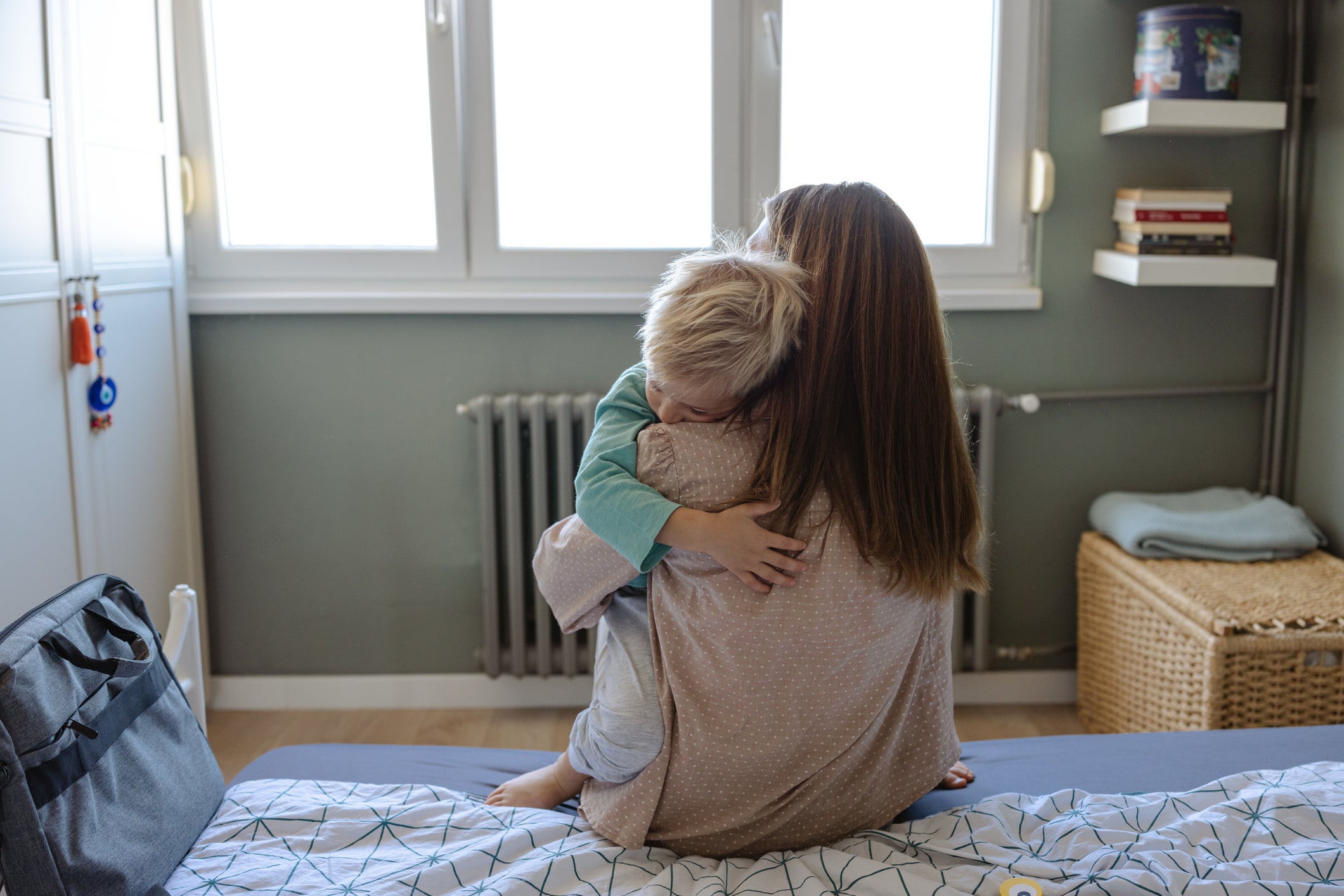
“Women are affected by the housing crisis more than any other demographic,” says Katie*, 40, a single mother from East London. The mother-of-two is currently living in temporary accommodation after leaving an abusive relationship in late 2024, first spending a year in a hotel.
Following the end of the relationship, she found herself unable to pay the £2,200 cost for the flat alone. Soon after, she was handed a section 21 eviction notice by her landlord, and approached the council for help.
They moved her and her four-year-old to a hotel in the neighbouring borough, which Katie says was “highly unsuitable”, adding: “it was one tiny room, it was completely run down [the hotel] was full of men coming and going”.
She is one of the tens of thousands of single mothers stuck in ‘hidden homelessness’, as new research from Shelter reveals how women are feeling the worst effects of the housing crisis.
Analysis by the housing charity finds that women make up approximately 60 per cent of adults in homeless temporary accommodation, up 31 per cent over the past five years. This makes them approximately 80,000 of the roughly130,000 households in this situation.
Strikingly, single mothers also make up a third (33 per cent) of all people in temporary accommodation, despite making up around 2 per cent of the UK population. This is up 13 per cent in the past five years, Shelter found, and means they represent over half (58 per cent) of all families in these settings.
The growing number is “totally unacceptable,” says Shelter’s chief executive Sarah Elliott, urging the government to take decisive action to ease the housing crisis.
After legal intervention supported by Shelter, Katie was moved into a “tiny” two bedroom flat back in her borough, which she says is “basically one room, split into parts.”
The small size of both settings means that, while she has had to look after her four-year-old, her 19-year-old daughter was unable to join and had to grapple with homelessness by herself.
Katie said: “A 19-year-old going through homelessness, I think they carry so much more, and the shame. At that age, it’s just something that you don’t want to go through because it’s such an important part of someone’s life.”
Despite being unhappy with the situation, Katie says she is “scared to say anything” to her local council, because she doesn’t want to be moved back to a hotel.
“[Women] are affected by it so much. We are the ones that will have the children, will look after the children – nine times out of ten it will be a woman,” she said.
“I would like to receive affordable property which would be a social property, so I can afford to work, and pay, and set down routes, and recover from the upheaval and trauma. I’d like to contribute to society and bring up my child the best that I can.”
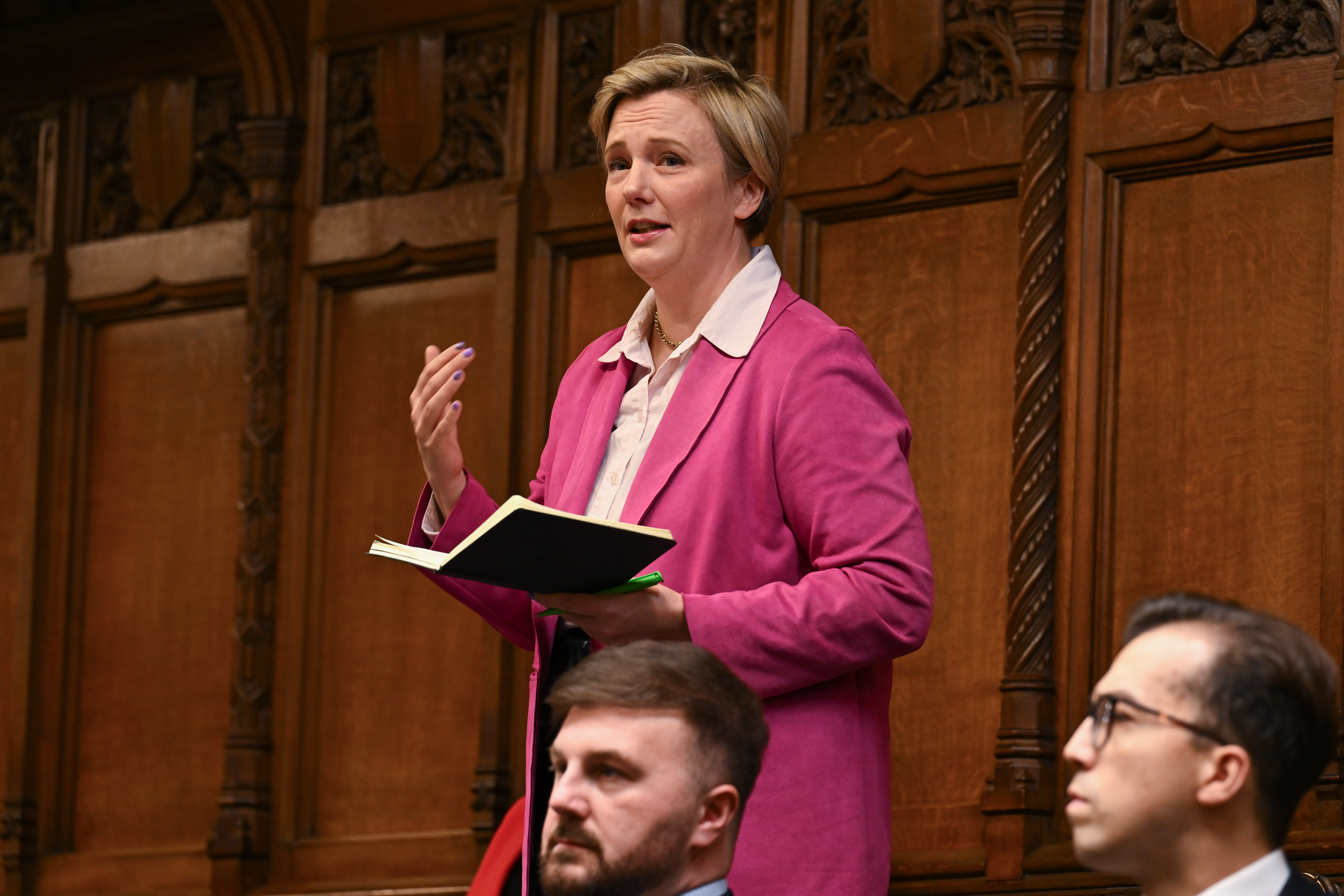
Labour MP Stella Creasy told The Independent: “With a million women stuck on benefits because of caring commitments, it’s not a shock to me that many find themselves stuck in a nightmare of poor housing and debt.
“That’s why we need to overhaul our welfare state and childcare policies as well as recognise the discrimination they face in housing – their talents are going to waste, their kids are suffering and the costs of this failure to value them falls us all. Changing this should be a national priority”
One of the key causes of the rising homelessness among single mothers is the lack of affordability in the private rented sector. Recent research by the Women’s Budget Group found that average rents in England now cost 58 per cent of the average woman’s salary, compared to 42 per cent for men.
Combined with the financial pressures of raising children – with women leading 89 per cent of single-parent families – the costs of the rental market prove too much for many, pushing more and more into homelessness.
Ms Elliot said: “It is totally unacceptable that, as the housing emergency escalates, a growing number of single mothers are homeless in temporary accommodation.
“No one should be forced to make the impossible choice between paying rent, feeding their family or turning on the heating - yet this is the reality for many single mothers across England today. Instead of being supported to stay in their homes, too many are being pushed towards homelessness, where they can spend years trapped in damaging temporary accommodation, unable to afford to move on and into private rentals.”
The charity chief points to the government’s decision to limit the amount of housing benefit people can received by maintaining the freeze on local housing allowance (LHA) as key factor, alongside skyrocketing rental prices. Around 57 per cent of housing benefit claimants with children are single mothers, equating to over 2,300 women.
Ms Elliot added: “The government urgently needs to unfreeze LHA, so it covers at least the bottom third of local rents. Single mothers should not be left to bear the weight of the housing emergency alone.”
A government spokesperson said: “It is unacceptable that so many women are without a safe home and are having to live in unsuitable temporary accommodation.
“This has to change, which is why we investing £3.5 billion to tackle homelessness, plus £950 million for better-quality temporary accommodation and building 1.5 million homes, to help thousands of women out of temporary accommodation and into permanent homes.”
* Name changed
Join our commenting forum
Join thought-provoking conversations, follow other Independent readers and see their replies
Comments
Bookmark popover
Removed from bookmarks