England bin collection rules: Major change coming in 2026 – here’s what you need to know
The new ‘common-sense changes’ will simplify this system, the government says

Bin collection procedures for millions of households are changing next year, bringing in crucial new rules to be aware of.
All households in England will be affected by the government’s new “Simpler Recycling” initiative from April 2026, when the way waste is separated will change.
The initiative will bring in a new “maximum default” for all areas, separating waste into four streams. These will be:
- residual (non-recyclable) waste
- food waste (mixed with garden waste if appropriate)
- paper and card
- all other dry recyclable materials (plastic, metal and glass)
Under current rules, some councils ask households and businesses to separate waste into more streams than this, requiring glass, metal and plastic to be kept separate, for instance.
Other councils have an all-in-one policy when it comes to recycling, requiring no separation at all.
The new “common-sense changes” will simplify this system, the government says, by making the rules consistent. Councils will retain the option to ask residents to separate recycling further, but these rules will become the minimum.
The Department for Environment, Food and Rural Affairs (Defra) said: “For too long, households in England have been presented with a muddled and confusing patchwork of approaches to bin collections.
“This government inherited legislation that could have required households to have up to seven bins, placing an unnecessary burden on people and businesses.
“We are simplifying the rules to make recycling easier for people in England, while stimulating growth and maximising environmental benefits.”
The changes are expected to be long term, with the government explaining that the new rules will become the “default requirement”, which is not expected to increase in the future.
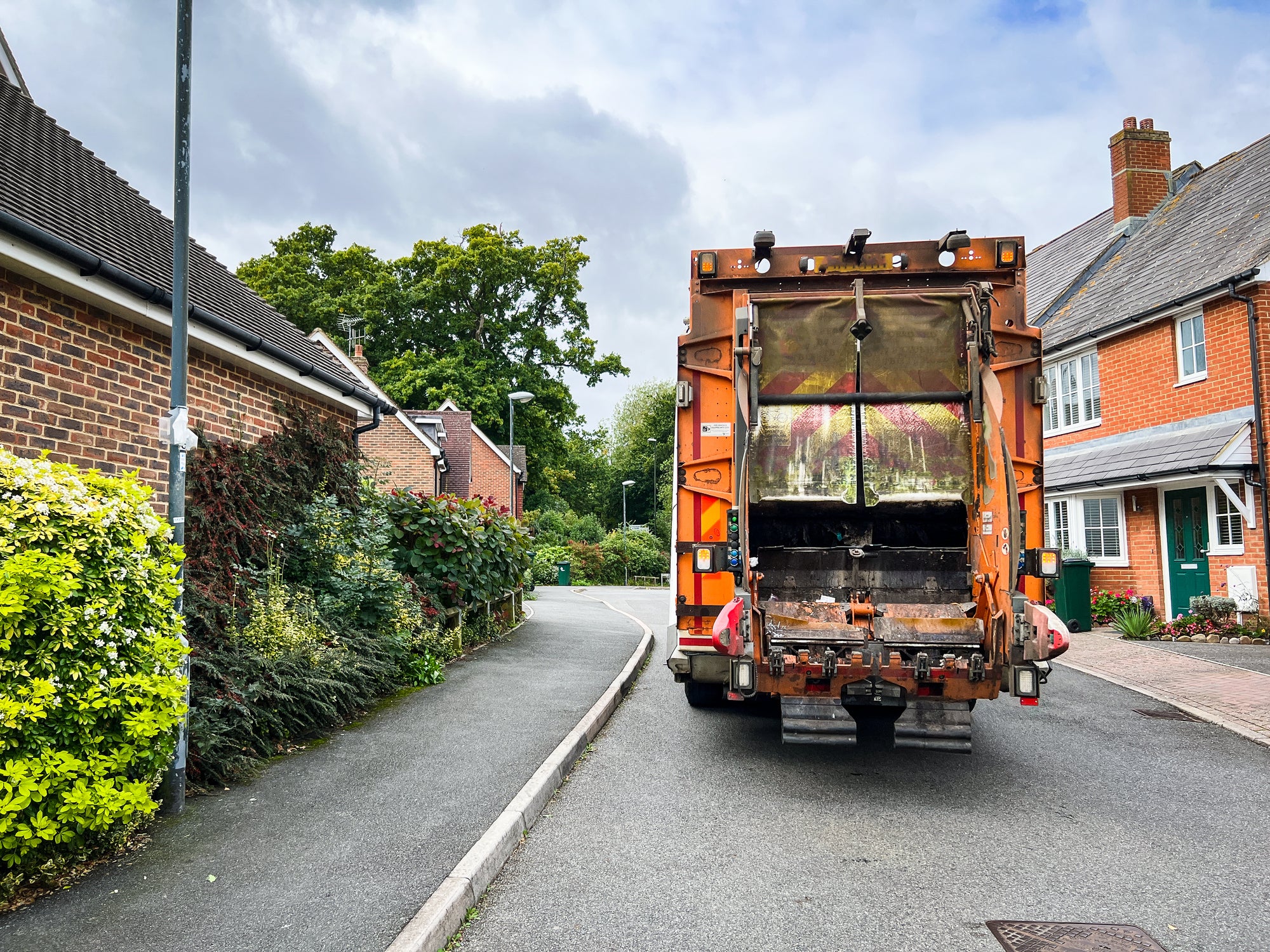
For households in most areas, the new rules mean the number of bins that need to be put out for collection will likely change.
Paper and cardboard will now be collected in a separate bin from other general recycling, which means many will have a new bin they must remember to use.
Another major change coming into force at the same time will see councils required to collect food waste at least once a week. The authorities will retain control over the timings of other collections.
Defra’s policy paper on the changes said: “We will make recycling easier: citizens will be able to recycle the same materials across England, whether at home, work or school, and will no longer need to check what is accepted for recycling in their local area. A universal standard will ensure that everything that can be collected for household recycling is collected in every region.
“Simpler Recycling will also end the ‘postcode lottery’ of bin collections in England, whereby councils collect different materials for recycling, causing confusion for households. We will maintain flexibility for local authorities to deliver these changes in the most appropriate way for their area.”
Join our commenting forum
Join thought-provoking conversations, follow other Independent readers and see their replies
Comments
Bookmark popover
Removed from bookmarks