Why the doctors’ strike is taking place as NHS hit by rising flu cases
Health secretary Wes Streeting has hit out against the planned action
Resident doctors will strike in the run-up to Christmas, the British Medical Association (BMA) has confirmed, as its members reject the government’s latest offer to end a long-running dispute over jobs and pay.
The five-day strike will see the staff walk out from 7am on 17 December until 7am on 22 December. It marks the 14th strike by resident doctors – formerly called junior doctors – since March 2023, following on from a similar five-day walk out last month.
The action comes as the UK is gripped by a record-breaking flu outbreak, with an average 2,660 patients per day in a hospital bed with the virus last week, up 55 per cent on last week.
Health secretary Wes Streeting says the BMA has chosen to strike at the “worst possible time”, given the rising number of cases, in a bid to “cause maximum impact and damage to the NHS”.
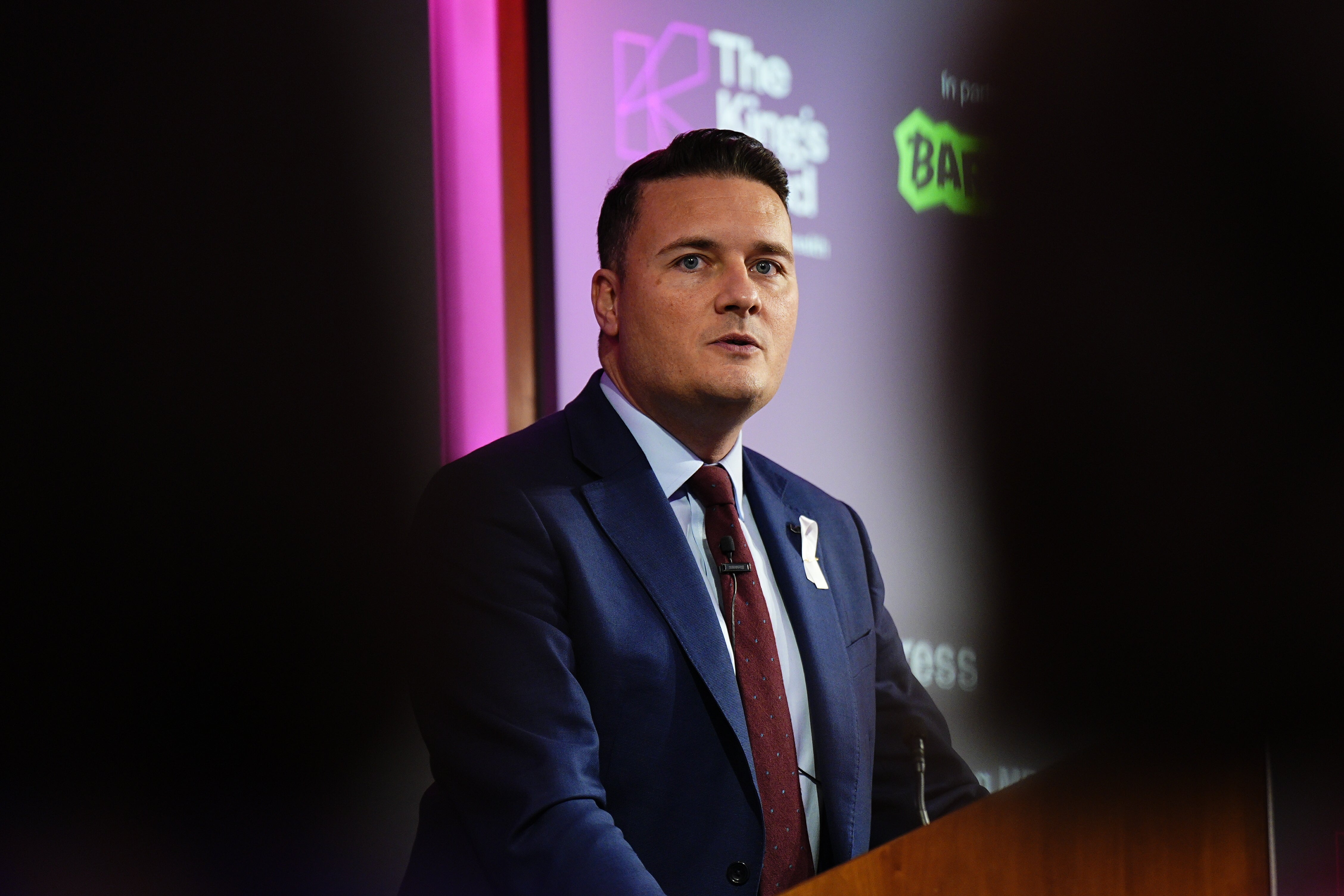
“I think that is irresponsible and I think it’s dangerous,” he told Sky News, adding: “Even now, if the BMA want to reschedule to January, the government will facilitate that”.
However, the BMA has called on Mr Streeting to “stop scaremongering”, accusing him of “exploiting patients and public fears” and adding that his focus should be on “ending strikes altogether and working with resident doctors to do just that”.
Here is everything you need to know about the dispute:
Why are resident doctors striking?
Resident doctors, formerly known as junior doctors, are qualified doctors in their first years of training. A fifth are completing their first two foundation years, while the remainder are in core or speciality registrar training.
The agreed salary for those on foundation training is between £38,831 and £44,439, with specialist training salaries rising to £73,992. That includes the 5.4 per cent increase awarded earlier this year, but does not include London weighting.
Resident doctor pay has rise almost 30 per cent over the past three years, including 22.3 per cent since Labour came into power. However, the BMA says that doctors need an extra 26 per cent increase over the next few years to restore their pay after inflation since 2008 has seen it erode in real terms.
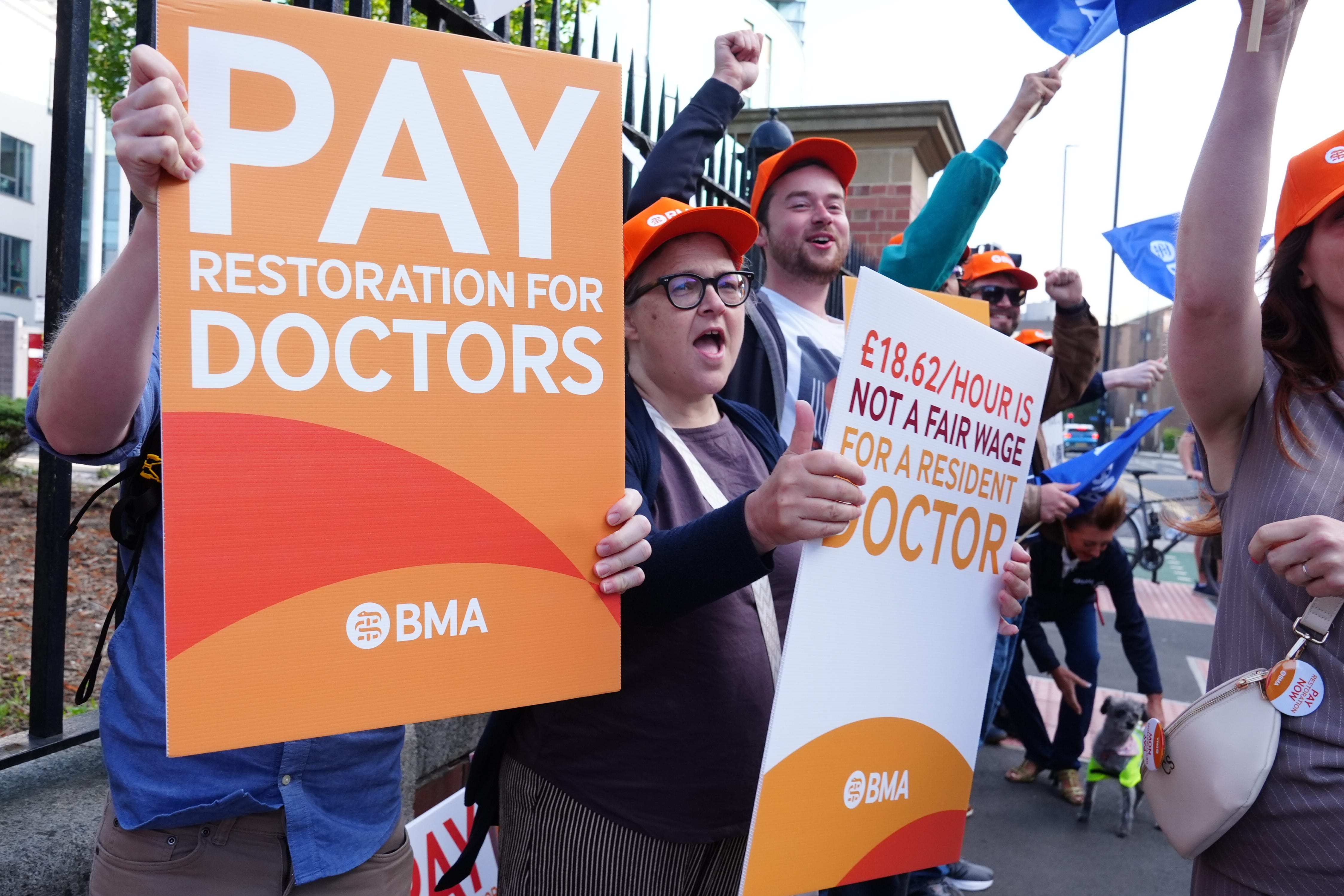
With the current 5.4 per cent uplift, the BMA says doctors won’t see their pay restored for 12 years, or until 2036.
The BMA wants pay boosted to between £47,308 and £54,274 for foundation doctors, and up to a maximum of £90,989 for residents in specialist training at the highest end, over a flexible negotiated period.
There are also calls from resident doctors to decrease competition for speciality training posts, with many struggling to find roles, even if they have already worked in the NHS.
What did the government offer?
The government made the BMA a last-minute offer on Wednesday (10 December) to increase speciality training posts from over the next three years by 4,000, repurposed from existing roles.
In 2025, there were over 30,000 applicants for 10,000 of these jobs, some of which came from overseas applicants.
The government’s offer also promised to prioritise UK graduates for these roles, or those who have already worked in the NHS, and to fund the certain expenses like exam fees.
No pay increase was included in the offer, with Mr Streeting remaining steadfast that he will not reopen negotiations on pay.
Resident doctors overwhelmingly voted to reject the offer by 83 to 17 per cent.
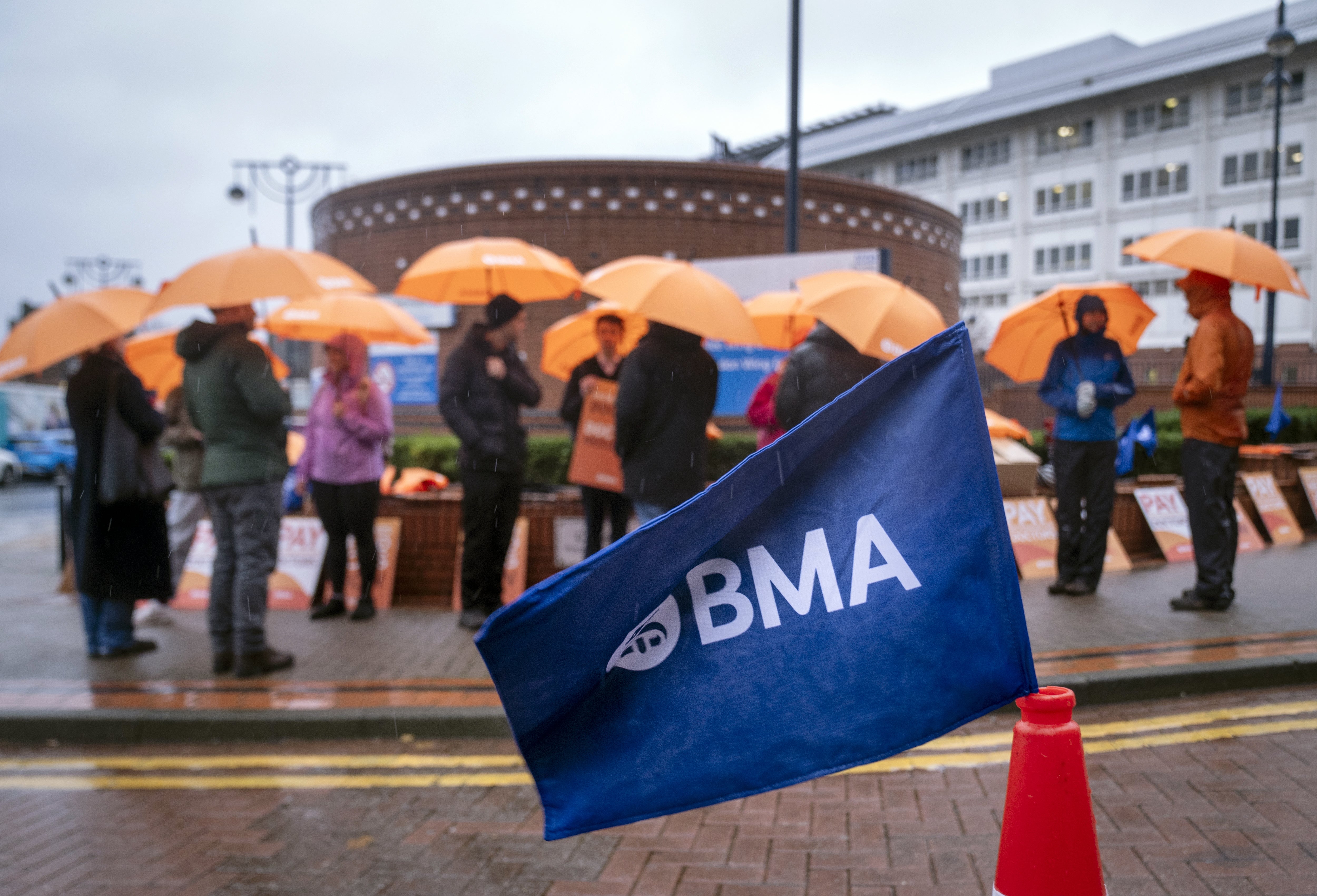
Dr Jack Fletcher, chair of the BMA’s resident doctors committee, said: “Our members have considered the government’s offer, and their resounding response should leave the health secretary in no doubt about how badly he has just fumbled his opportunity to end industrial action.
“There are no new jobs in this offer. He has simply cannibalised those jobs which already existed for the sake of ‘new’ jobs on paper. Neither was there anything on what Mr Streeting has said is a journey to restoring our pay – that has clearly hit the buffers.”
Justifying the offer, Mr Streeting said it “would have halved competition for jobs and put more money in resident doctors’ pockets, but the BMA has again rejected it because it doesn’t meet their ask of a further 26 per cent pay rise.
“Resident doctors have already had a 28.9 per cent pay rise – there is no justification for striking just because this fantasy demand has not been met.”
Join our commenting forum
Join thought-provoking conversations, follow other Independent readers and see their replies
Comments