Beavers released into the wild to help ‘bring back nature’
Conservationists had long called for licensed wild returns across the UK
Beavers have been legally reintroduced to two sites in Somerset as part of an ambitious project to revitalise local river and wetland ecosystems.
The releases, which took place on Tuesday across the National Trust’s Holnicote Estate on Exmoor, involved a family group comprising a mother and her three offspring, alongside a separate pair of Eurasian beavers.
This marks the second time Natural England has granted the charity a licence for a wild release, following an initial reintroduction on the National Trust’s Purbeck Estate in Dorset earlier in March.
Beavers were first brought to enclosed sections of the Holnicote Estate in 2020.
Ben Eardley, project manager at the National Trust, said: “This is incredibly exciting and is the latest step in our ambitions to restore a huge swathe of Somerset countryside and moorland to help bring back nature.
“Beavers are extraordinary partners in our work to restore nature at scale.
“Over the last few years we’ve seen how their dams and wetlands transform the landscape, create habitat and help buffer both floods and drought.
“Each pair, or family need their own space.
“Across the estate they will have the opportunity to develop their own territory, enabling them to create wetlands, ponds, build dams, and enrich the landscape in ways only beavers can.”
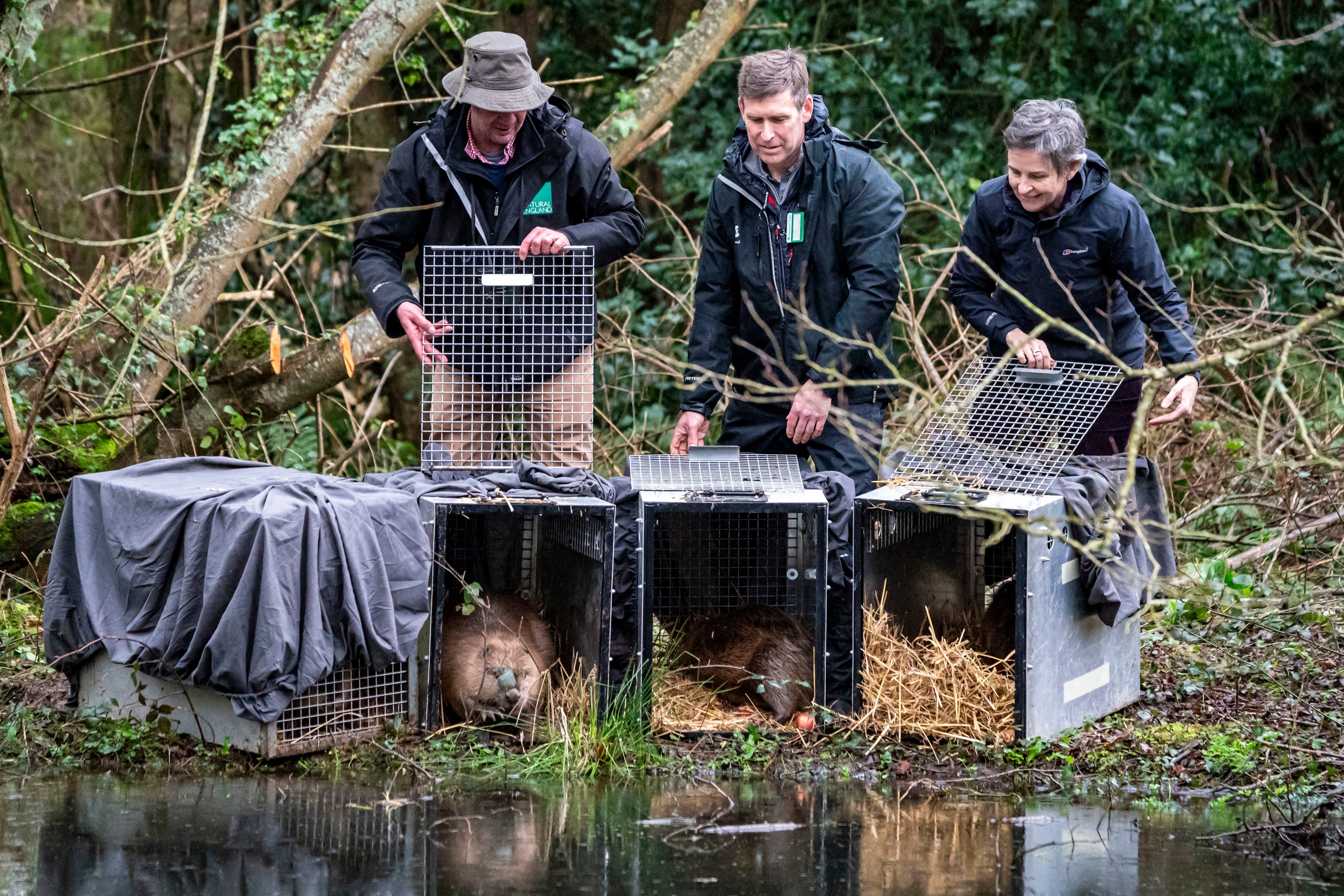
He said beavers play a “vital role” in slowing water flow, creating and holding wetland habitats, reducing erosion and improving water quality.
While beavers became extinct in Britain more than 400 years ago due to hunting for their pelts, meat and glands, they have made their way back to England’s rivers, through escapes from enclosures and illegal releases, and were given legal protection in 2022.
They have also been introduced to many fenced wetland and river sites.
Conservationists had long called for licensed wild returns to the wider English countryside, to boost wildlife in the UK.
But there had also been concerns about impacts such as beavers flooding roads, properties and farmland or targeting crops such as maize and cricket bat willow.
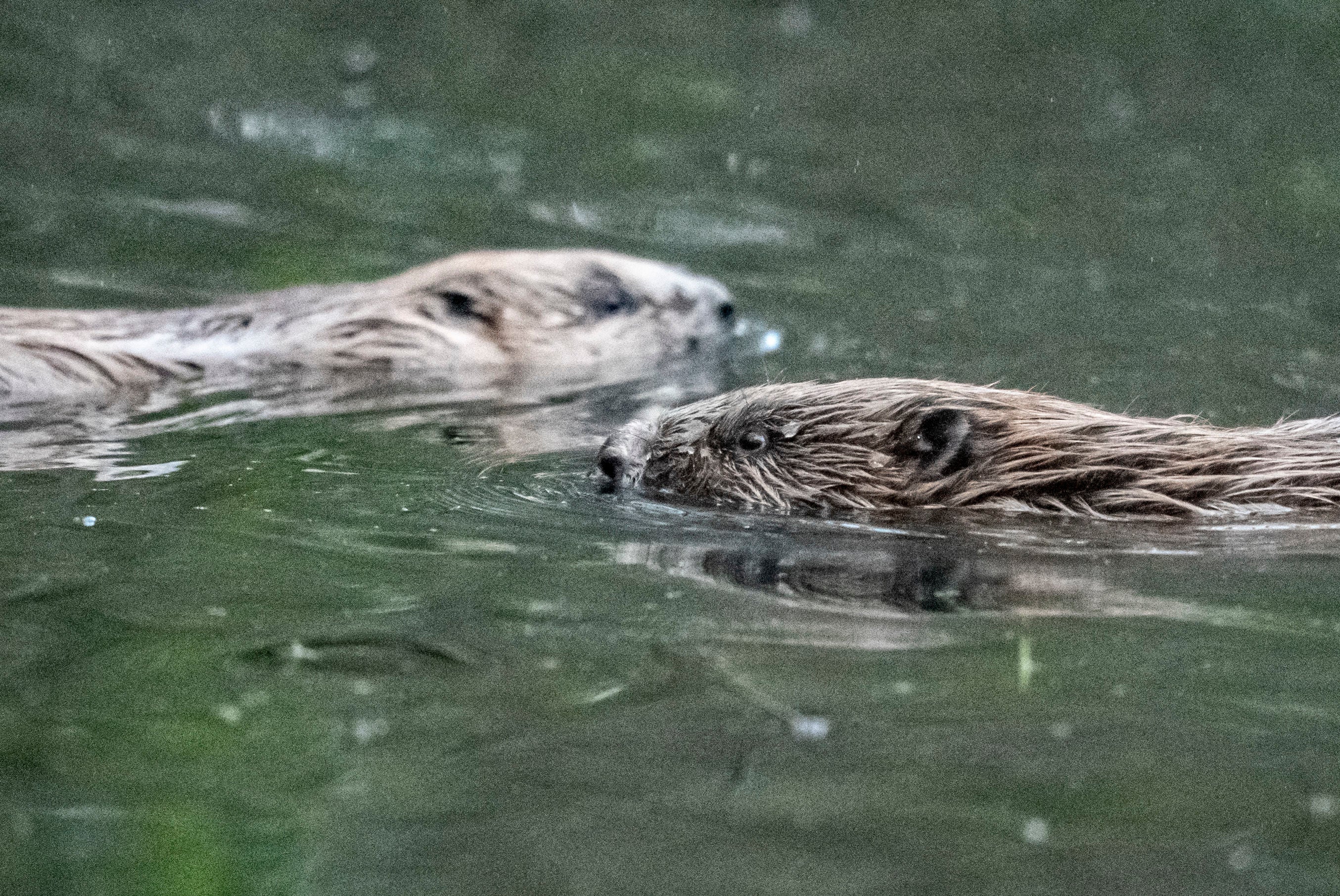
Nature minister Mary Creagh said: “It was a privilege to witness beavers returning to Somerset.
“These extraordinary creatures are brilliant for biodiversity, reduce flood risk and improve water quality in our rivers.
“The return of beavers is a vital part of this Government’s mission to protect and restore nature and we’re working closely with local communities to maximise their benefits.”
On Monday, two pairs of beavers were released by Cornwall Wildlife Trust into the Par and Fowey river catchments.
Join our commenting forum
Join thought-provoking conversations, follow other Independent readers and see their replies
Comments
Bookmark popover
Removed from bookmarks