Activists illegally releasing beavers into wild say they are doing ‘God’s work’
The government approved the release of beavers into the English wild earlier this year, but only for those with a license
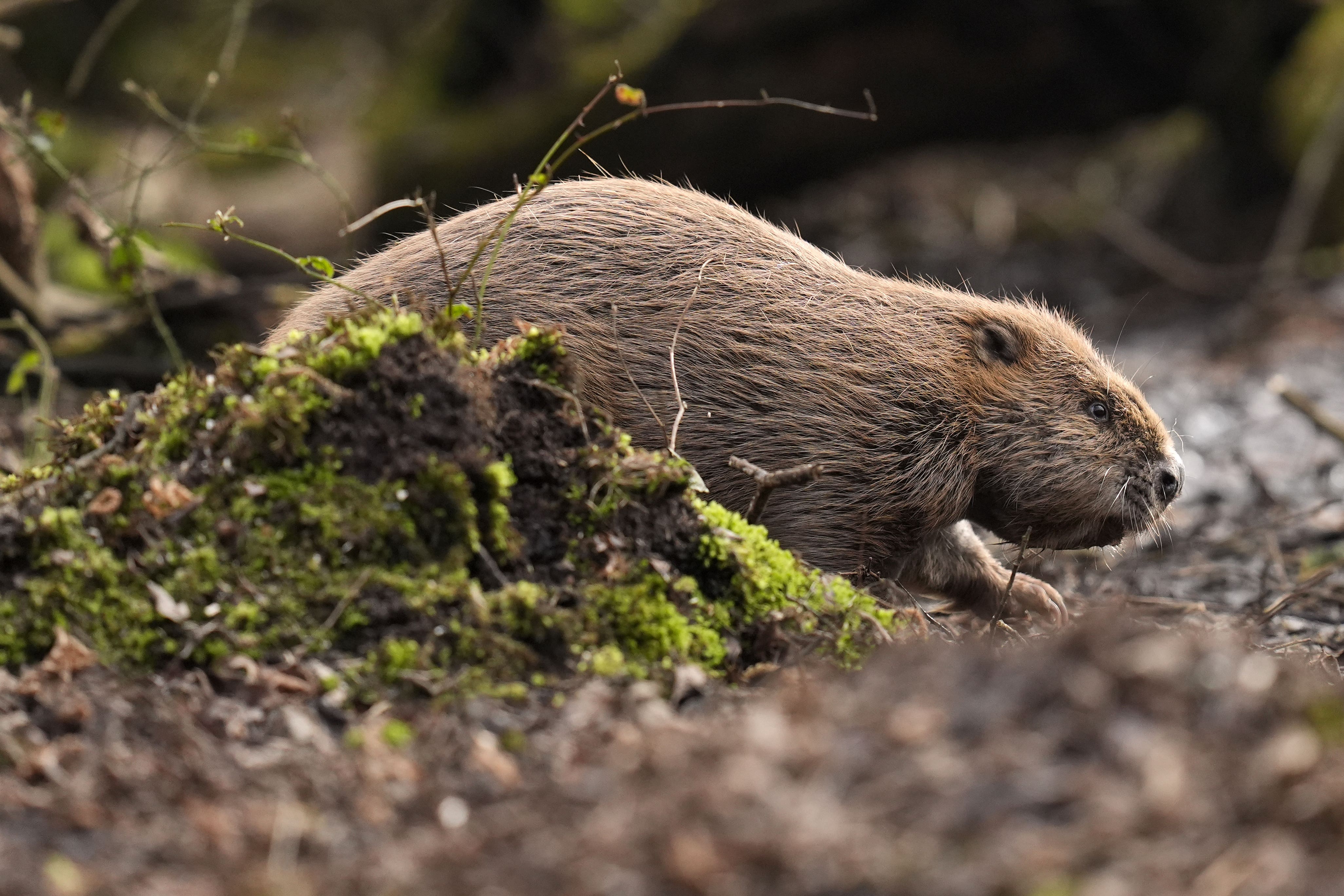
A secret underground network that is illegally releasing beavers into the wild says they are “doing God’s work”.
Members of the activist group risk arrest and potential prison time by carrying out the unlicensed release of beavers.
It is an offence under the Wildlife and Countryside Act 1981 to release beavers into the wild without a license, and countryside groups have called on the government to take stronger action to manage illegal releases.
However, Ben, who spoke anonymously to the BBC, said: "It is just essentially God's work. We're undoing the damage of hundreds of years ago and bringing back these extraordinary animals.”
The government approved the release of beavers into the English wild earlier this year in hopes of cutting down on flooding risks and restoring nature.
A licensing system has been introduced to allow the reintroduction of the semi-aquatic animals, whose dams, canals, and ponds enhance wildlife and offer protection against floods and droughts.
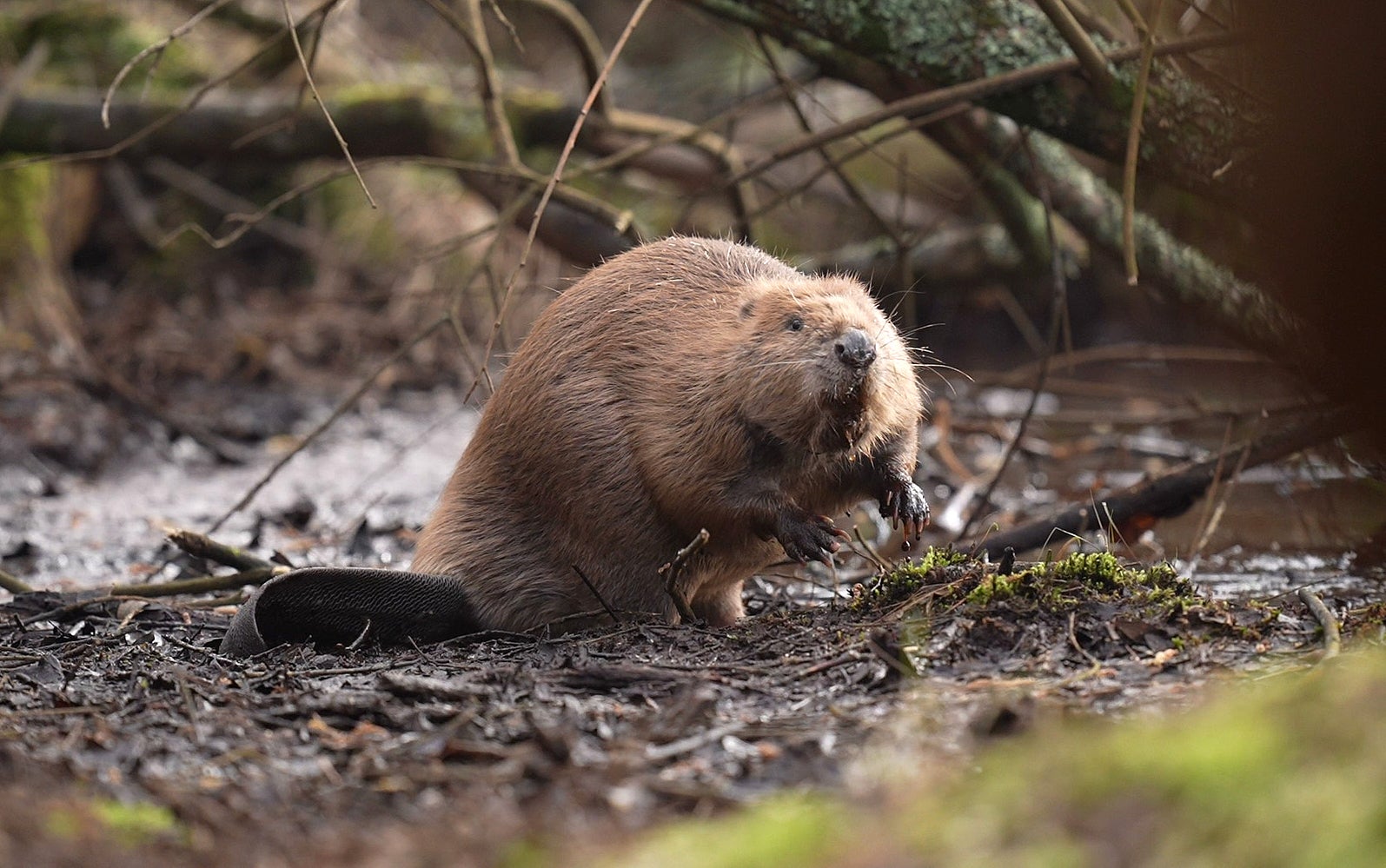
There have only been two full applications to release beavers into the wild: The River Otter Beaver Trial from 2015-2020, and the recent National Trust’s Purbeck Beaver Project, which released two pairs in Dorset earlier this year.
Beavers, vital for shaping their environments, disappeared from Britain over four centuries ago due to hunting.
They have since reappeared in England's rivers through escapes and illegal releases and were legally protected in 2022.
However, Ben, whose name has been changed, told the BBC that legal routes to release beavers are "too bureaucratic", so they are taking matters into their own hands.
The group operates under a shroud of secrecy to protect themselves from being arrested.
"You don't want to be caught with a box of beavers in the boot, so you have to be quite quick," Ben said.
"You open the door, do it and drive away. They are instantly much happier in the water."

However, the National Farmers Union have said farmers are worried about the impacts beavers can have on their land, business and food production.
NFU Deputy President David Exwood said: “With existing legal and illegal populations of beavers expanding across England, government needs to take stronger action to manage illegal releases and develop in consultation its long-term beaver management plan before any further releases are permitted.”
“The NFU wants to work with the government in developing its approach and will continue to monitor existing beaver populations and policy developments to ensure that the right strategy, management options and support are in place to minimise any negative impacts,” he added.
Conservationists have long advocated for licensed wild reintroductions to enrich the UK's biodiversity and benefit communities.
Evidence from a five-year trial on the River Otter in Devon demonstrates that beaver-created habitats support diverse wildlife, including water voles and dragonflies.
They also slow the flow of water, reducing the risk of flooding downstream, and can store water in the landscape during drought, as well as purifying polluted river systems, removing sediment and storing carbon.
Dr Angelika von Heimendahl, beaver reintroduction manager at The Wildlife Trusts, said the organisation does not endorse releasing wild animals without a licence, but stressed the “fantastic work that beavers do across our river systems” must be recognised.
She added that The Wildlife Trusts hope to see a “meaningful number of wild release licences granted going forward”, as restoring beavers to the wild will play a key role in tackling the nature and climate emergencies.
Natural England said it is important that species reintroductions are conducted carefully, to maximise benefits and minimise risks.
Join our commenting forum
Join thought-provoking conversations, follow other Independent readers and see their replies
Comments
Bookmark popover
Removed from bookmarks