Calling teen boys toxic will backfire – there are bigger targets to hit
As a parent of a 15-year-old boy, Victoria Young believes the new government initiative designed to educate boys and young men on anti-misogyny could be scratching the wrong itch
_n_S1_E1_00_13_01_10.jpeg)
I read about the new government plans to send boys as young as 11 on anti-misogyny courses designed to eliminate violence against women and girls with mixed feelings.
The plans outlined by Keir Starmer today as part of a strategy to halve violence (only halve?) against women and girls will see pupils who show harmful behaviour in schools being sent on “behaviour change programmes” that focus on “challenging deep-rooted misogynist influences”.
Starmer said: “Every parent should be able to trust that their daughter is safe at school, online and in her relationships.”
Obviously, as a woman who was once a girl and is now an aunt to multiple nieces, I couldn’t agree more. Absolutely. It goes without saying that I want nothing more than for the horrific violence against women and girls not only to be properly addressed and punished, but not halved – wiped out altogether.
But as a mother of a teenage boy, I can’t help feeling this initiative sounds reductive and problematic. For a start, there are plenty of young men I know who value and respect girls and women and instinctively treat them as equals. I’ve always known that one of my biggest responsibilities as a parent to a boy is to bring him up to see women as equal individuals. I also regularly meet many young men who no more need lessons in how to respect women than they need to be shown how to tie their shoelaces or make a piece of toast.
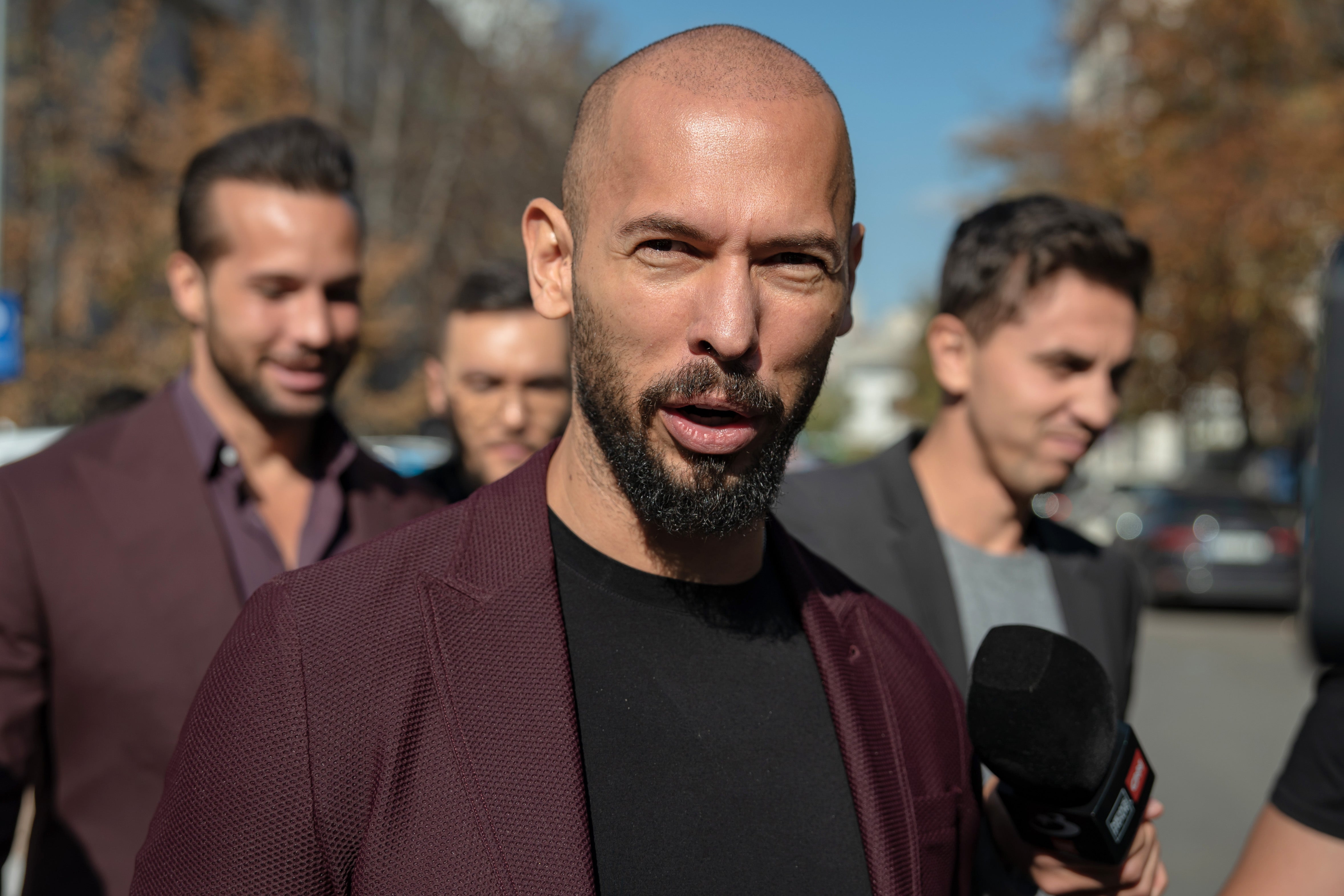
While a YouGov poll shows that 23 per cent of boys aged 13 to 15 have a positive opinion of self-proclaimed misogynists like Andrew Tate, only 12 per cent of boys aged six to 15 say they agree with Tate’s views on women specifically, which means a whopping 88 per cent of boys don’t. And three-quarters of boys don’t have a positive opinion of him at all.
I am not saying there aren’t issues around toxic masculinity in schools, and casual misogyny can often feel unleashed. But, depressingly, you’re as likely to witness that in the White House as you are in the playground. My personal experience of teenage boys is that they can be inclusive, fair and quite the opposite of women-hating. Which is why I think there is a wider issue at play here that needs to be considered.
Earlier this year, the hit Netflix drama Adolescence sharpened our collective focus on toxic masculinity and the problematic space of the “manosphere”. While it is right that the attitudes of young British men have come under increasing scrutiny, it is also right that we start thinking about masculinity more generally – and, more specifically, its fragility.
There is a worrying whiff of blame – and shame – emanating from the implication that teenage boys are the problem. To me, this feels like a government scratching the wrong itch.
If teenage boys are demonstrating increasingly problematic views and behaviour towards women, wouldn’t it be more helpful to look at them as a symptom, rather than the problem itself? Harmful behaviour needs to be addressed, of course, but by making teenage boys the issue and sending them on courses to “make them better”, we risk missing the societal conditions that are allowing sexist and misogynistic views not only to thrive, but to form in the first place. Teenage boys don’t need to be demonised; they need to be understood.
Masculinity is in a parlous state. Boys are three times more likely to die by suicide than girls. Growing up in the wake of the #MeToo movement has left some boys uncertain about what it even means to be a man – and quite possibly raised in an environment where consent is discussed as if they are already guilty, or potentially guilty, of bad behaviour towards women.
Add to this toxic algorithms that deliberately target disenfranchised teenage boys, alongside a parade of men who purport to “understand” them, and you can see how the problem builds. Figures like Joe Rogan and Andrew Tate become the pied pipers for lost boys looking for a tribe, and the “bro vote” becomes ever more important to leaders who build a base by telling them it’s all women’s and girls’ fault that they feel this way. In the US election, 56 per cent of 18- to 29-year-old men voted for Donald Trump, who boasts about groping women and recently called a female reporter “Piggy”.
Rather than blaming boys, we should be lifting The Wizard of Oz curtain on the individuals at social media giants who allow algorithm-driven toxicity and extreme content to actively target young, impressionable minds. Only when they are held responsible and forced to properly regulate their business of hate creation and division will the dial begin to shift. We can’t expect teachers running “behaviour change programmes” to put the toxic genie back in the bottle, especially when that bottle is being actively peddled to an entire generation of children.
Like all of us, teenage boys are struggling to cope in an increasingly bewildering digital age, yet they are rarely given the opportunity to explain how this really feels for them. Instead of blaming and shaming them, we could focus on government members who are still failing to properly introduce or implement laws that prevent young people from accessing damaging and harmful online content.
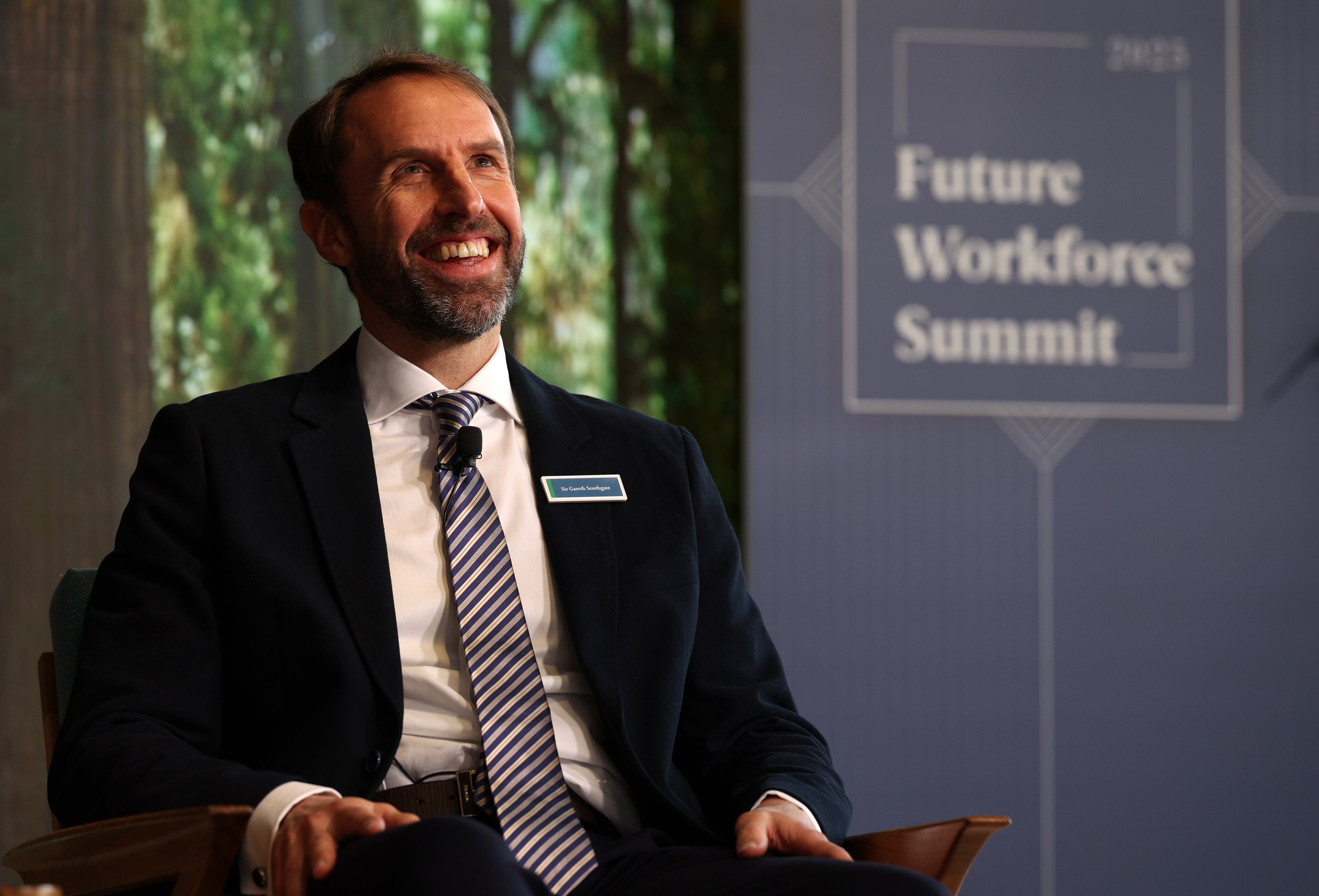
We could put more effort into platforming and promoting positive role models for young men, as former England football manager Gareth Southgate proposed earlier this year. We could invest in creating more structured, supported social experiences – such as properly funding youth clubs and sports clubs that offer an alternative to online life.
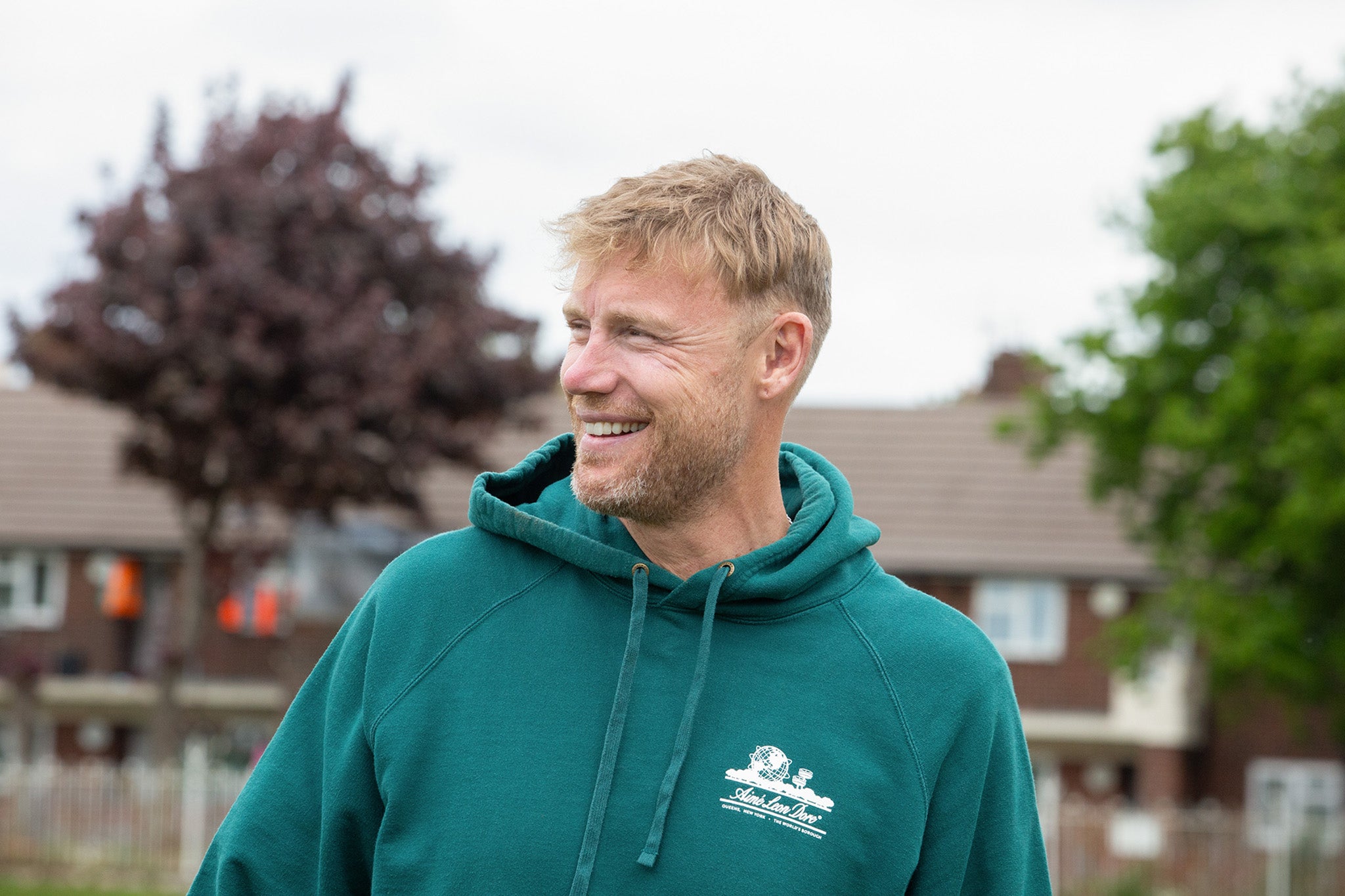
Freddie Flintoff attempted to do this in his series Field of Dreams, when he worked to create a grassroots youth cricket team in his hometown of Preston, Lancashire. His more recent efforts with groups of children from Manchester, Liverpool and Blackpool highlighted the challenges faced at the grassroots level – poor facilities, lack of equipment, and limited access to playing nets, clubhouses and training opportunities. Greater financial support and focus in these areas would be life-changing for many British teenagers.



There is a constellation of elements that shape all our characters, personalities and worldviews. Much of our behaviour comes down to environment and influence. If there is an epidemic of violence and misogyny right now, I would argue that the problem is bigger than teenage boys, and examining the wider picture is where our priority should lie.
In the meantime, I saw a book yesterday by Chimamanda Ngozi Adichie that should find its way into the Christmas stockings of all boys – and girls. In We Should All Be Feminists, Adichie makes the point that feminism is essential for everyone, not just women, because the current gender stereotypes on offer limit not only women but men, too.
Join our commenting forum
Join thought-provoking conversations, follow other Independent readers and see their replies
Comments
Bookmark popover
Removed from bookmarks