Archaeologists find largest-ever medieval ‘super ship’ longer than two school buses
Archaeologists say ship was built with timber from modern-day Poland and the Netherlands
Archaeologists have unearthed the largest-ever medieval “super ship” dating back to the 1400s, a discovery that prompts a rethink of the scale of medieval trade across northern Europe.
The ship, named Svaelget 2 after the channel off of Copenhagen, Denmark, where it was found, measures 28m long, 9m wide and 6m high, which is about the length of two school buses and nearly the width of one.
Built around 1410AD, the cargo ship would have carried about 300 tonnes, making it the largest of its kind ever discovered, researchers said.
“The find is a milestone for maritime archaeology. It’s the largest cog we know of, and it gives us a unique opportunity to understand both the construction and life on board the biggest trading ships of the Middle Ages,” said excavation leader Otto Uldum, a maritime archaeologist at the Viking Ship Museum.
The ship was made for efficiently transporting large quantities of “everyday goods” for trade.
“Shipbuilders went as big as possible to transport bulky cargo – salt, timber, bricks or basic food items,” Mr Uldum said.
“The cog revolutionised trade in northern Europe. It made it possible to transport goods on a scale never seen before.”
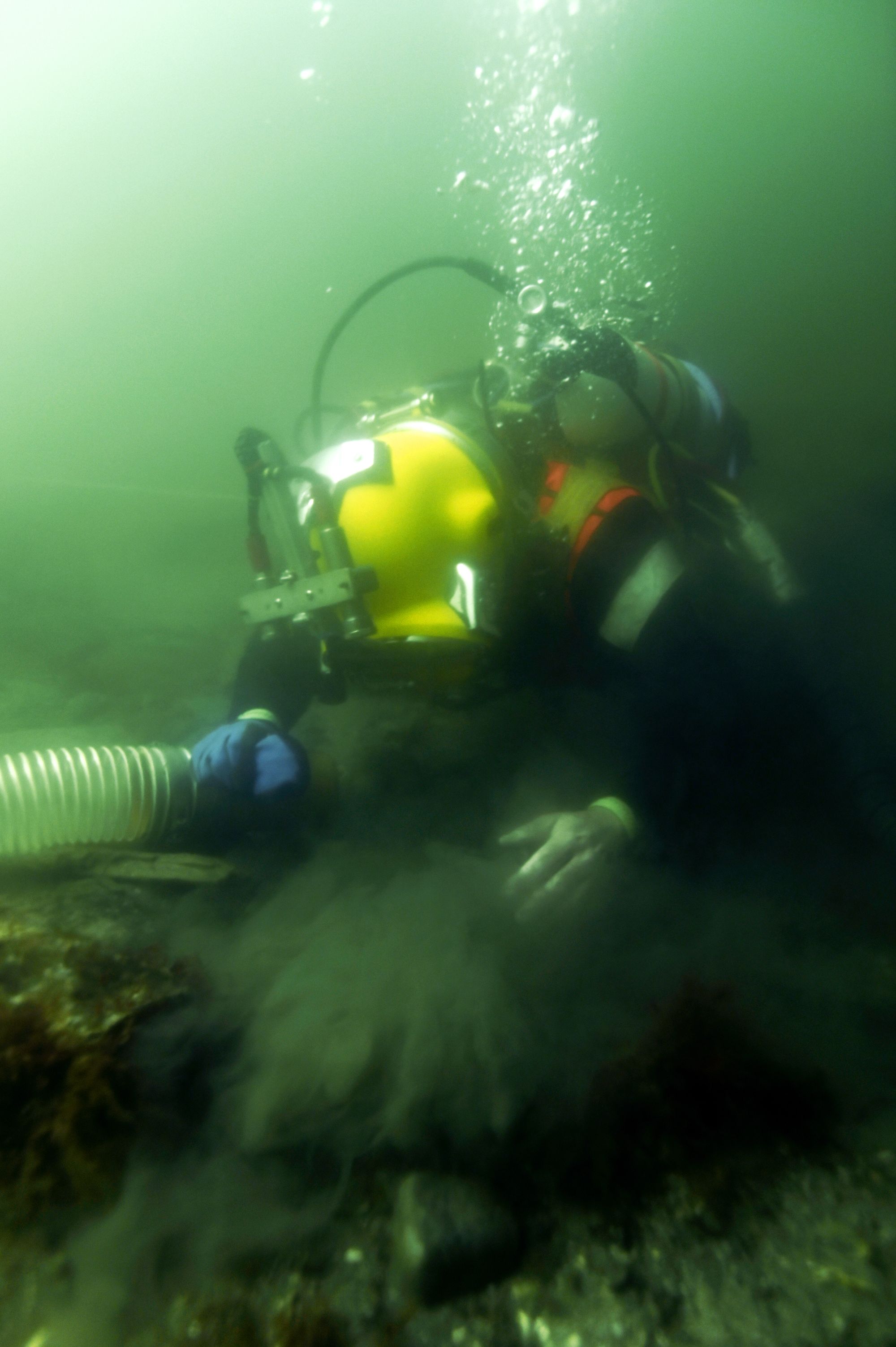
Archaeologists found evidence that the ship was made using timber from two European regions – Pomerania in modern-day Poland and the Netherlands.
Tree-ring patterns on the wood suggested the planks were made of Pomeranian oak, while the ship’s frames came from the Netherlands, scientists said.
“It tells us that timber exports went from Pomerania to the Netherlands, and that the ship was built in the Netherlands, where the expertise to construct these very large cogs was found,” Mr Uldum said.
The shipwreck was found in an exceptionally well-preserved state at a depth of about 13 metres where it was shielded from forces that would normally destroy ships nearer to the coast.
“It is extraordinary to have so many parts of the rigging,” Mr Uldum said. “We have never seen this before, and it gives us a real opportunity to say something entirely new about how cogs were equipped for sailing.”
One of the distinct features of the find, according to archaeologists, is the intact “high castles” – large, timber-built raised platforms on medieval merchant ships that provided elevated fighting positions and crew shelter.
“We have plenty of drawings of castles, but they have never been found because usually only the bottom of the ship survives. This time we have the archaeological proof,” Mr Uldum explained.
Archaeologists hope to study the extensive timber remains to understand how the high castles were built and used in cogs.
“We now have 20 times as much material to work with. It is not comfort in a modern sense, but it is a big step forward compared to Viking Age ships, which had only open decks in all kinds of weather,” Mr Uldum said.
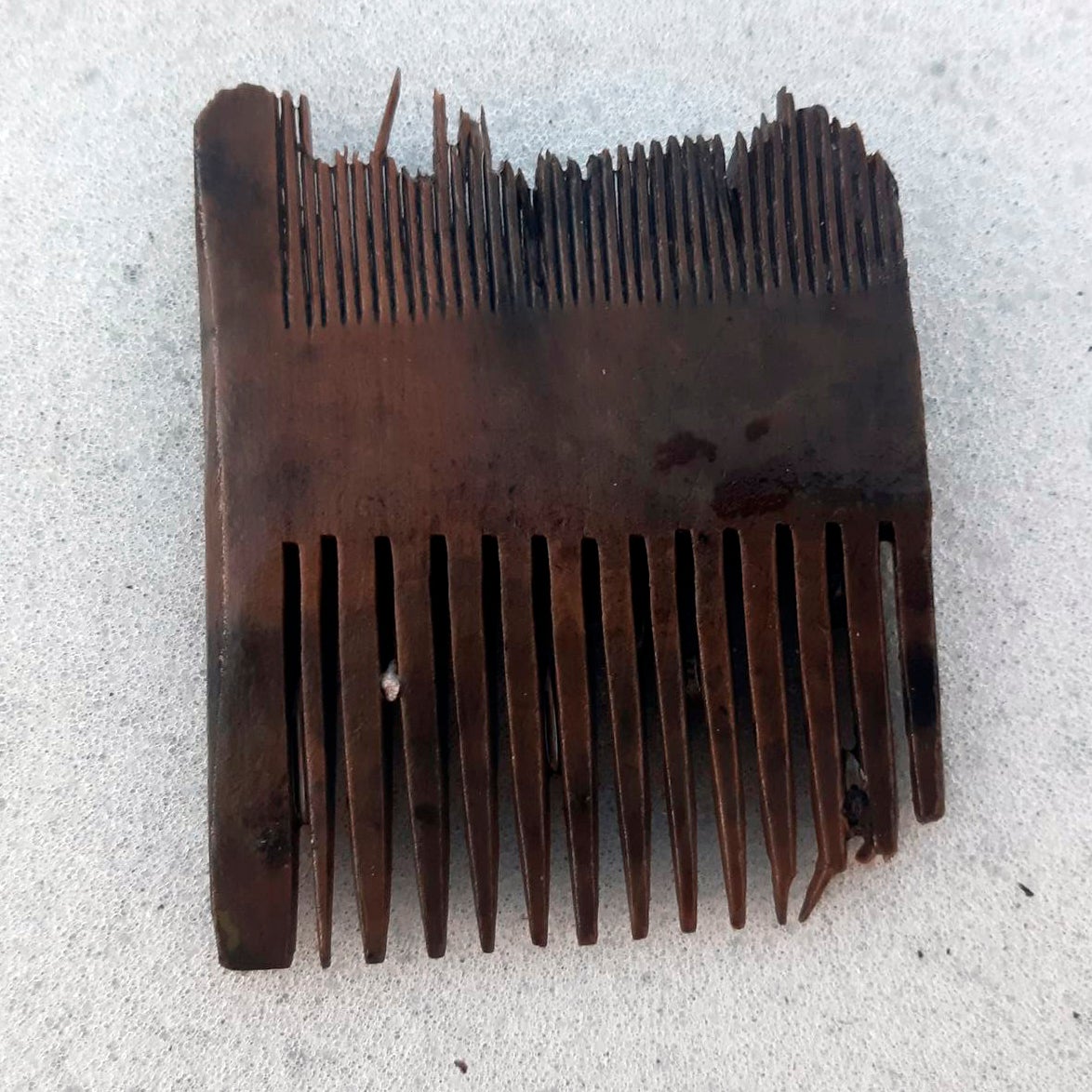
Researchers also found rare traces of everyday life in the shipwreck, including painted wooden dishes, shoes, combs, and rosary beads, as well as bronze cooking pots and ceramic bowls.
“The sailor brought his comb to keep his hair neat and his rosary to say his prayers. We have the remains of the pots his food was cooked in and the bowls he ate from,” Mr Uldum said.
“These personal objects show us that the crew brought everyday items with them. They transferred their life on land to life at sea.”
Although no trace of any cargo carried by the ship was found, researchers said they were certain it was a merchant ship.
“There is no evidence pointing to war or conflict on this ship. None at all,” Mr Uldum said.
The find also offers insights into the nature of medieval society.
“It required a society that could finance, build and equip these enormous ships that served the Middle Ages’ need for export and import over great distances,” Mr Uldum said.
“Svælget 2 gives us a tangible piece of the puzzle and makes it possible to understand how technology and society evolved side-by-side in an era when shipping was the driving force behind international trade.”
Join our commenting forum
Join thought-provoking conversations, follow other Independent readers and see their replies
Comments
Bookmark popover
Removed from bookmarks