Toddler bone remains may be earliest evidence of cannibalism in Europe
Child was between 2 and 5 years old when they died nearly 850,000 years ago
The decapitated remains of an infant discovered at the Gran Dolina archaeological site in Burgos, Spain, may be the earliest evidence of cannibalism in Europe.
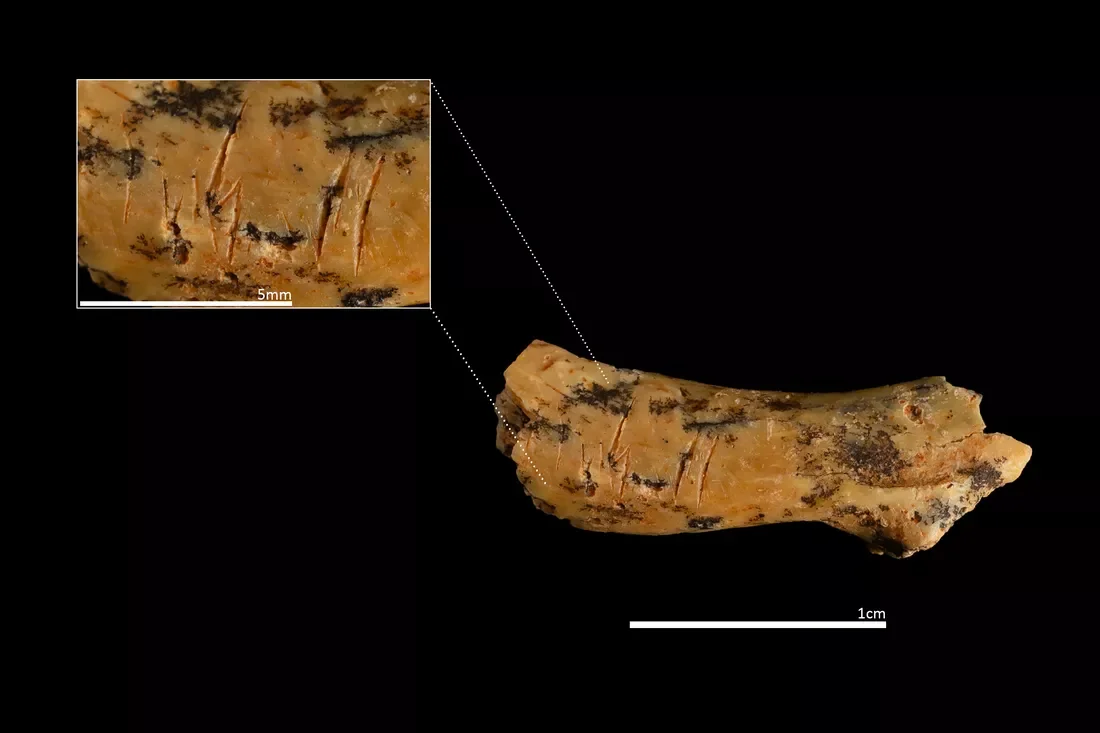
The child’s vertebra, dated to 850,000 years ago, clearly shows cut marks consistent with intentional decapitation, hinting the ancient human was cannibalised, researchers from the Catalan Institute of Human Palaeoecology and Social Evolution, or IPHES, say.
The vertebra was unearthed at the Unesco World Heritage site along with 10 other remains, all attributed to the human ancestor species Homo antecessor.
The site’s sediments have been divided into 11 strata from TD-1 to TD-11, with excavations at the TD-6 level unravelling over 160 bone fragments of at least 11 human ancestor species from 850,000 to 780,000 years ago.
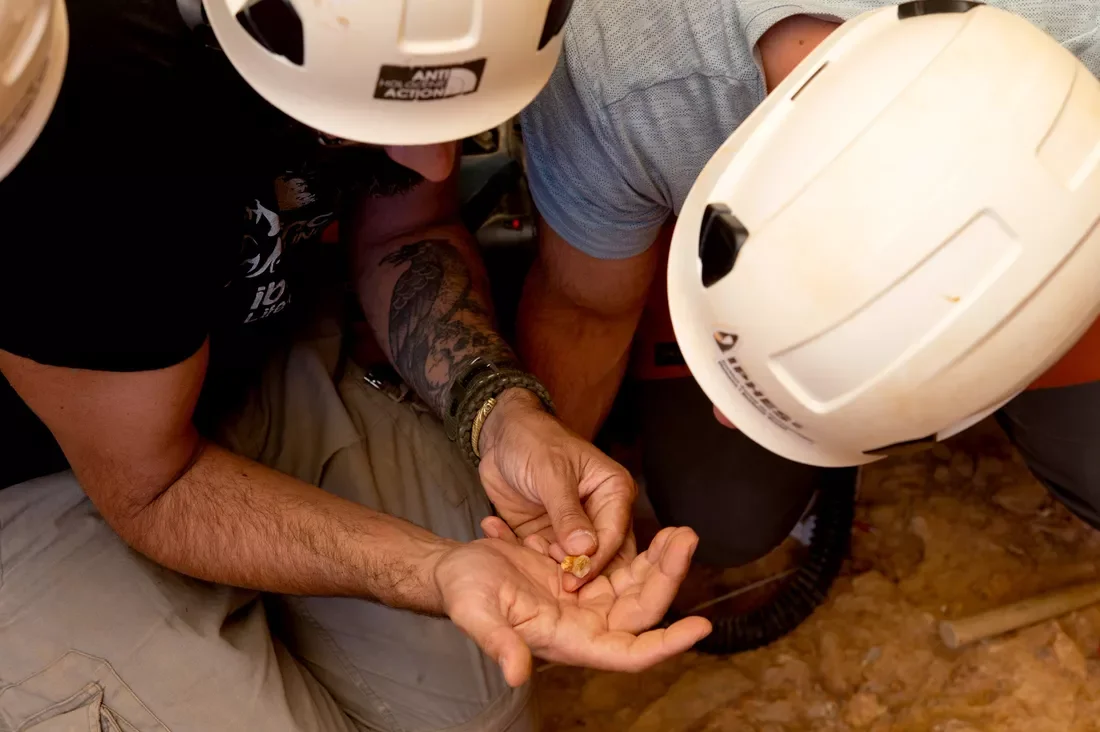
In the latest dig, scientists found defleshing marks and intentional fractures on the infant’s remains, typical indicators of meat exploitation similar to those found on animal bones consumed by the same ancient human species.
The child was likely between 2 and 5 years old when they died, scientists say.
“This case is particularly striking, not only because of the child’s age, but also due to the precision of the cut marks,” said archaeologist Palmira Saladié from IPHES.
“The vertebra presents clear incisions at key anatomical points for disarticulating the head. It is direct evidence that the child was processed like any other prey.”
The world’s first known case of human cannibalism was found 30 years ago. “What we are documenting now is the continuity of that behaviour: the treatment of the dead was not exceptional, but repeated,” Dr Saladié, specialist in prehistoric cannibalism, said.
The latest findings point to a systematic process of human meat consumption by Homo antecessor who may have been ancestors of Homo heidelbergensis, who in turn gave rise to the Neanderthals, researchers say.
They also hint at early humans likely exploiting their peers as a food resource and perhaps also as a means of territorial control.
In the Gran Dolina cave section where the child’s remains were found, scientists also discovered fossilised hyena excretion, pointing to an alternating occupation of the site by carnivores and humans.
Researchers suspect more human remains may lie undiscovered in the unexcavated layers of the cave. “Every year we uncover new evidence that forces us to rethink how they lived, how they died, and how the dead were treated nearly a million years ago,” Dr Saladié said.
Join our commenting forum
Join thought-provoking conversations, follow other Independent readers and see their replies
Comments
Bookmark popover
Removed from bookmarks