The Met failed Virginia Giuffre when she accused Prince Andrew – they must not do so again
The Met refused to open an investigation into sworn allegations of sexual assault against Prince Andrew, despite keenly investigating cause celebres such as Partygate. Their insistence that the royal family are not above the law rings hollow, says Nigel Cawthorne


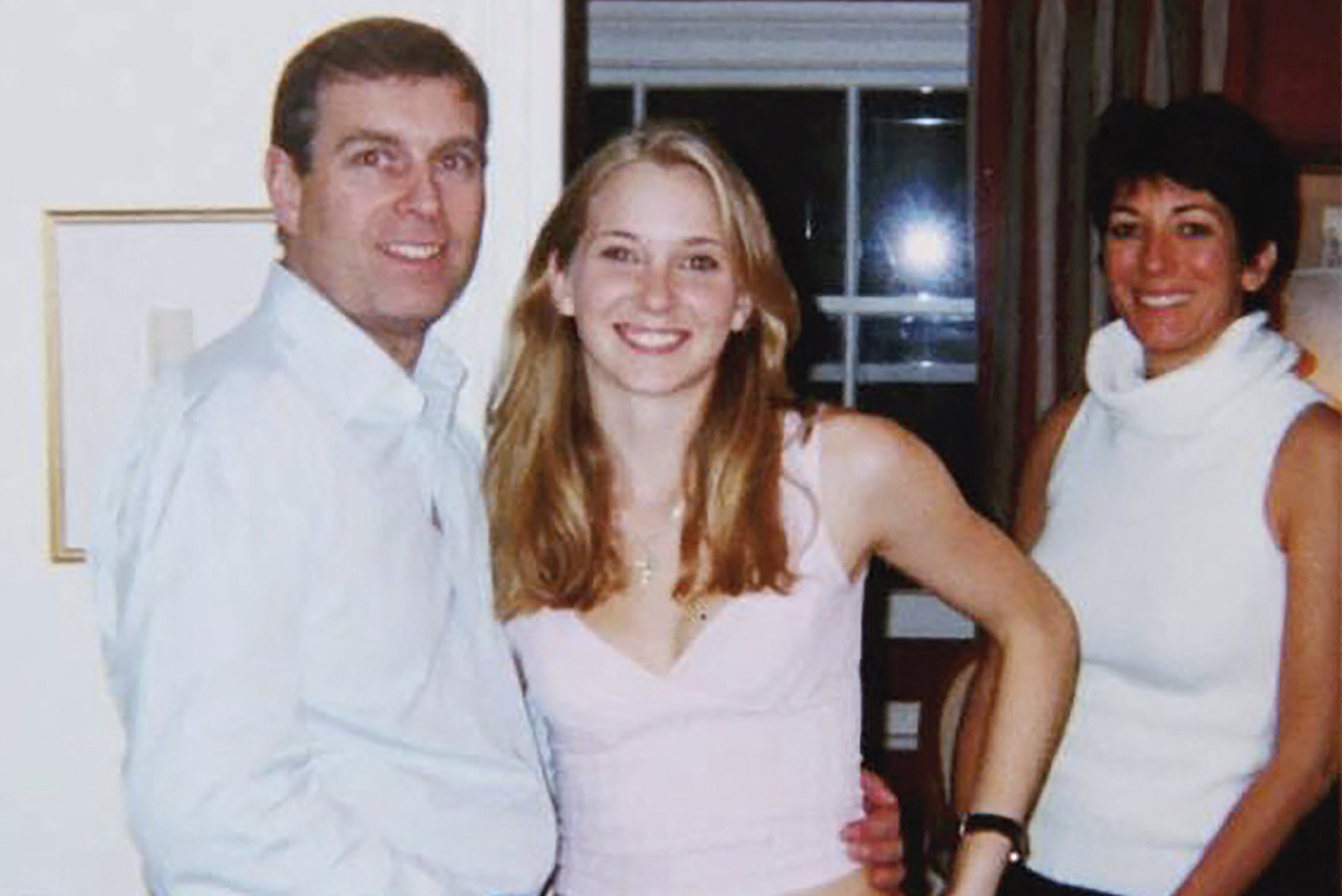
On Sunday, a leaked email revealed that Prince Andrew had sought personal information about Virginia Giuffre, who later accused him of sexual abuse. The message – sent in February 2011, just before the Mail on Sunday published the now-notorious photograph of the prince with his arm around the 17-year-old in Ghislaine Maxwell’s Belgravia home – reignited questions about the Metropolitan Police’s repeated refusal to investigate the case.
The email, addressed to Ed Perkins, Queen Elizabeth’s deputy press secretary, read: “It would also seem she has a criminal record in the [United] States. I have given her DoB and social security number for investigation with XXX, the on-duty ppo.” Giuffre had no such criminal record. With hindsight, the correspondence reads as an apparent effort to discredit her.
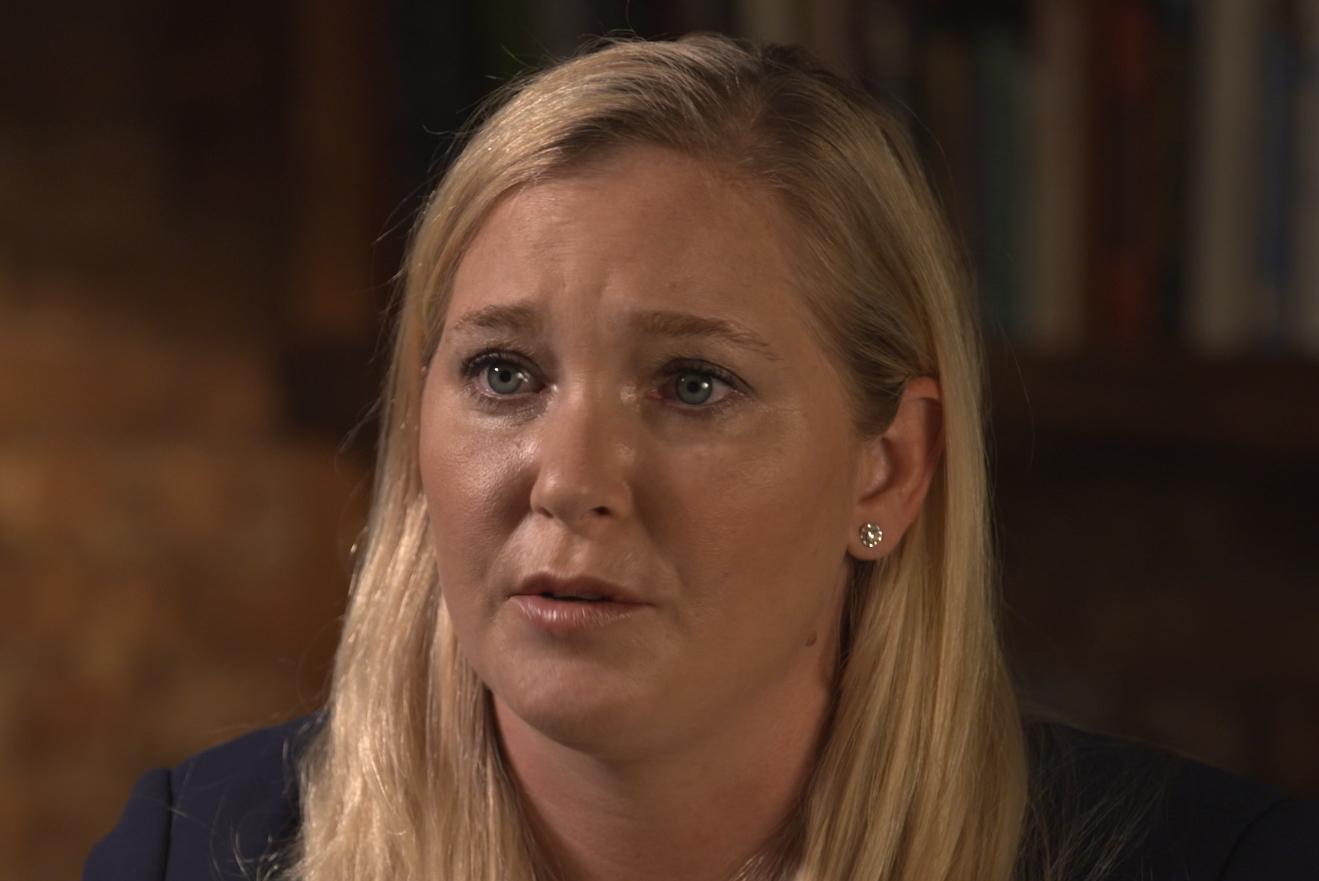
Scotland Yard immediately sprang into action, saying it was looking into the claims. Despite this, the Metropolitan Police overlooked a far more serious matter: the allegations of sexual assault themselves. For more than a decade, the Met has reviewed the case three separate times – and each time declined to open an investigation. Their inaction, contrasted with the swiftness with which they have pursued lesser scandals, speaks volumes about the double standards that continue to define how power operates in Britain.
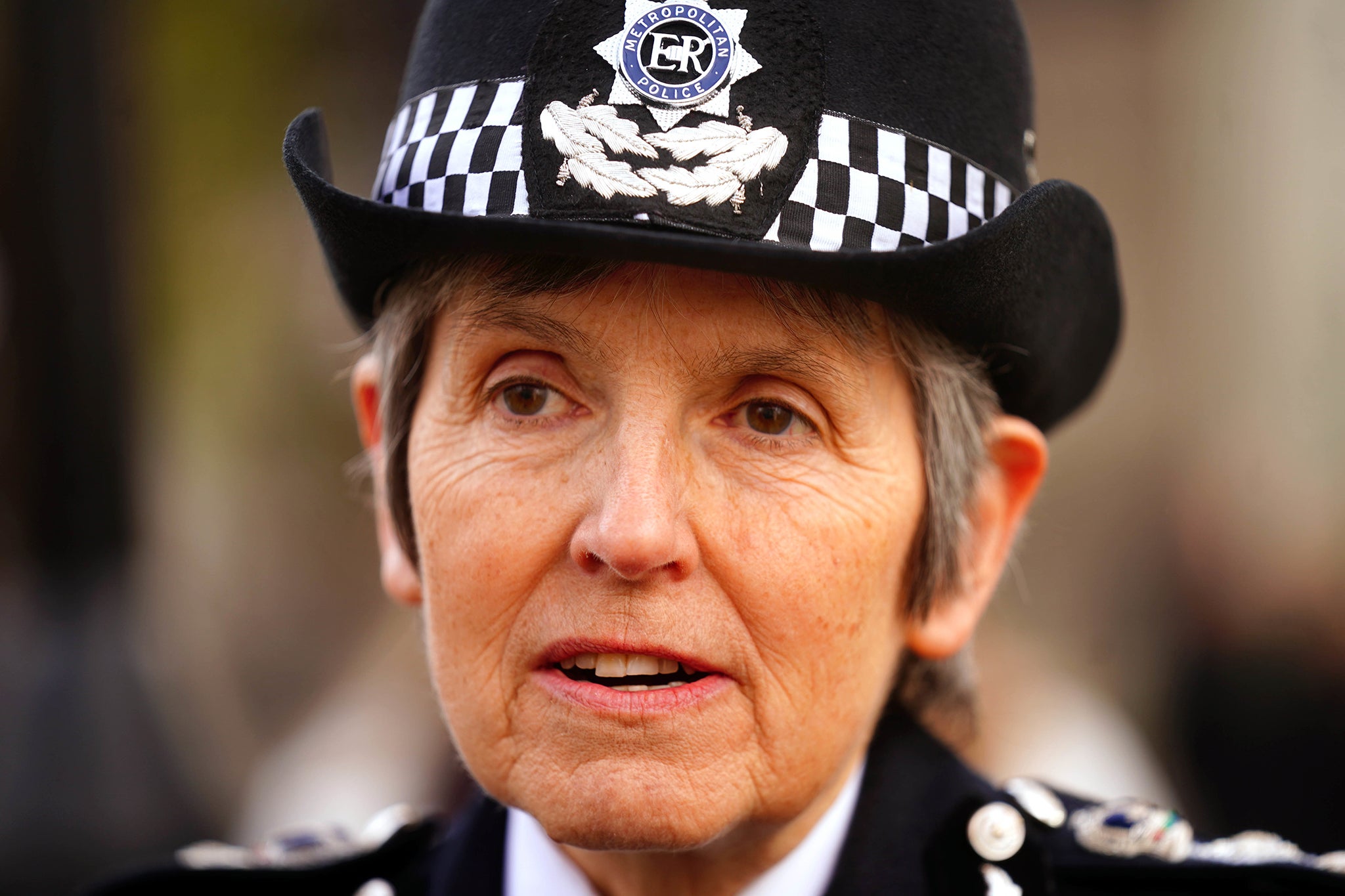
Documents suggest that before the story broke, Andrew had already obtained Giuffre’s personal details and asked police to investigate her. Yet when questions turned to him, the force repeatedly stepped back. In 2022, as one of her final acts as commissioner, Cressida Dick announced that Scotland Yard would not investigate the allegations, despite the fact that at least one of the alleged assaults took place on British soil. “No one is above the law,” she said – a claim that, in this case, rang hollow.
When explaining why she pursued other cases such as Partygate – where Downing Street staff were accused of breaking Covid lockdown rules – Dick outlined three criteria: did those accused know they were doing wrong? Would they have a reasonable defence in court? Would failing to act damage public confidence? None of these standards appeared to apply when the person at the centre of the allegations was a senior royal.


The timeline makes this omission even harder to justify. In 2014, Giuffre alleged in a court filing that she had been “forced to have sex” with Prince Andrew in London and other locations when she was under 18. Yet Scotland Yard declined to investigate. In 2021, she brought a civil lawsuit against Andrew in a US federal court, alleging he had sexually assaulted her on three occasions when she was 17 – in London, New York and on Jeffrey Epstein’s private island in the Caribbean. Allegations which the prince vehemently denies. The case was brought under New York’s Child Victims Act, which reopened the door for victims whose claims would otherwise have been barred by statutes of limitation.
Prince Andrew made several unsuccessful attempts to have the case dismissed. When those failed, he reached a settlement reportedly worth £12m – money widely believed to have come from his late mother, Queen Elizabeth II. He admitted no liability and continues to deny all wrongdoing. Like anyone else, he is entitled to the presumption of innocence.
The Met’s refusal to investigate is particularly striking given the strength of the evidence and the inconsistencies in Andrew’s own account. In his 2019 BBC Newsnight interview with Emily Maitlis, he claimed he first met Epstein in 1999 through “his girlfriend”. But his then-private secretary, Alastair Watson, had written to The Times in 2011 saying Andrew met Epstein in the “early 1990s”. He told Maitlis he had broken off all contact with Epstein after a meeting in December 2010, but emails later showed he continued corresponding with him, signing off with a promise to “play some more soon”.
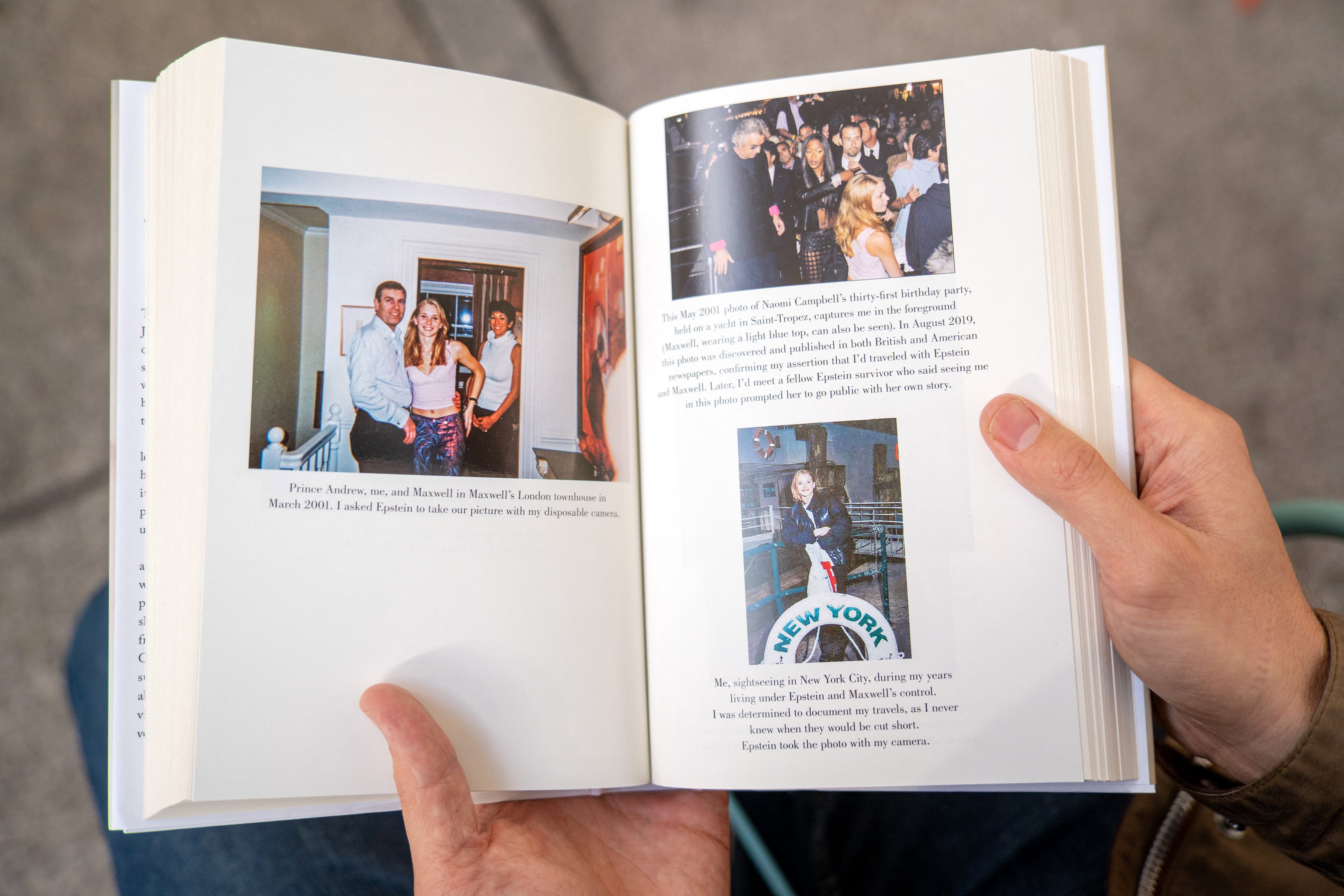
When Giuffre alleged she had sex with Andrew in Belgravia, she was above the UK age of consent. In Florida, however, where another encounter allegedly took place, the age of consent is 18 – meaning she would have been underage. And under the UK’s Sexual Offences Act of 1956, which applied at the time, it was an offence to procure a girl under 21 for sex anywhere in the world. Giuffre claimed she was trafficked and paid $15,000 by Epstein for that encounter, with Maxwell present when the infamous photograph was taken.
The question remains: did Andrew know she had been trafficked, or did he choose not to ask? Either answer is damning. The notion that the Met could look at these claims – supported by testimony, documents, and years of transatlantic cooperation between prosecutors – and still conclude there was “nothing to investigate” defies comprehension.
While the Met now says it is “looking into” the matter again, this belated step does little to restore public confidence. Three reviews, each ending in inaction, amount to institutional failure. The Yard had ample opportunity to pursue the truth – first when the allegations surfaced in 2011, again in 2014, and finally after Giuffre filed her civil suit in 2021.
Meanwhile, the US Department of Justice made two formal requests to question Andrew under the mutual legal assistance treaty between the UK and the US. The agreement required Scotland Yard to pass the DOJ’s questions to Andrew and, if he refused to cooperate, to compel him through a British court. It appears none of that happened. Instead, British authorities fell silent as Andrew retreated from public life, relinquishing his royal duties but facing no formal scrutiny.
The contrast with other high-profile investigations is hard to ignore. During Partygate, the Met issued more than 100 fines to public servants, including the then-prime minister. The same police force that scrutinised cake and wine gatherings in Downing Street refused to open an investigation into sworn allegations of sexual assault involving a member of the royal family. If that is not a failure of equal justice, what is?
This story has always been about more than Andrew. It is about the willingness of the institutions charged with upholding the law to confront power – or to shy away from it. Giuffre’s case tested the Met’s integrity, and the Met failed. Its inaction sent a message to every survivor watching: that some people are, in practice if not in principle, beyond reach.
A young woman whose very serious allegations were not acted upon by the Metropolitan Police is now dead. Virginia Giuffre died by suicide on 25 April, leaving behind her testimony in her book Nobody’s Girl, published this week. Her death underscores the human cost of indifference – the price of institutions refusing to do their duty when the accused is powerful and the victim inconvenient.
Nearly six years have passed since Andrew’s calamitous Newsnight appearance, and still there has been no proper investigation, no questioning under oath, and no accountability from the British authorities. The US Congress is set to release all remaining files in the Epstein case.
It is long past time for the Metropolitan Police to step up, open a criminal inquiry, and question Prince Andrew under the same standards that apply to everyone else. Three times they have reviewed the case and walked away. He cannot be allowed to continue hiding behind the palace gates.
Nigel Cawthorne is the author of ‘Prince Andrew: Epstein, Maxwell and the Palace’
Join our commenting forum
Join thought-provoking conversations, follow other Independent readers and see their replies
Comments
Bookmark popover
Removed from bookmarks