Prince William wants to be the King of change – here’s how he’ll shape the monarchy for a new era
As the Prince of Wales signals a clear shift in direction for when he takes the throne, Harry Mount looks at the quiet ‘evolutionary’ who will do things differently to his father


When it came to spelling out his intentions, Prince William couldn’t have been clearer. In a wide-ranging interview with film star Eugene Levy, now streaming on Apple TV+, he was more candid than ever about how things will be different when he succeeds his father.
“I think it’s safe to say that change is on my agenda – change for good,” he told Levy, as they discussed his future role as king and how his son, Prince George, will one day succeed him. William added: “And I embrace that, and I enjoy that change – I don’t fear it.”
We should have seen it coming when we saw him coming – zooming around Windsor Castle on a scooter. From his choice of interviewer – the Canadian movie star of American Pie and Schitt’s Creek – to his choice of transport, this was a savvy way of nodding to the “more relaxed, less remote” shift in direction we can expect when he is in charge.
“I think if you’re too intrinsically attached to the history, you can’t possibly have any flexibility,” the prince said. “Because you worry that the chess pieces move too much and therefore no change will happen.”
Change is inevitable because Prince William is still relatively young, at 43. May the King reign for many years to come – but, having come to the throne at the age of 73, our next monarch was always going to be a much younger man, with a younger frame of mind.


King Charles endured a Victorian childhood. His mother, Elizabeth II, who succeeded at the impossibly young age of 25 when Charles was only three, necessarily had to hand him over to a series of nannies as she took up the heavy burdens of office. Her long state visits abroad meant the young Charles was left at home for weeks on end, raised more by the institution of monarchy than by the monarch herself.
It was a childhood of a different era, not helped by the fact that he loathed his school, Gordonstoun, and endured an unhappy first marriage to Princess Diana. In many ways – often admirable ones – King Charles took refuge from the modern world in his traditional enthusiasms: architecture, gardening, painting.
While he tried to tinker with the monarchy as Prince of Wales, not least with his famous “black spider” letters to government ministers, as King-in-waiting, he had little direct control over how the monarchy was run. By the time he succeeded, despite his great energy, his age was bound to diminish his appetite for change. A cancer diagnosis can only have depleted that energy further.
Prince William is, by contrast, going to be different, because his upbringing was also very different. Though he lost his mother at just 15, she was present during his formative years and clearly had a modernising influence, with visits to Thorpe Park and a love of pop music.

But alongside invitations from the Spice Girls, William had an early introduction to the real lives of the less fortunate. His homelessness initiative, Homewards, is a legacy of the visits he made with his mother to shelters at a very young age.
These are all threads he has knitted into his own life. Choosing to marry “out” with his solidly middle-class wife, Catherine, he strives to portray a down-to-earth image of family life – tumbling around with his apple-cheeked children, who wouldn’t look out of place in a John Lewis catalogue. As William set out his approach to monarchy in the interview, he said: “I want to question things more,” but emphasised that central to his world was Kate and their three children: “The most important thing in my life is family.”
The Waleses have been unwavering in ensuring George, Charlotte and Louis have as normal a background as conceivable: attending day schools and doing the same activities as their peers. It’s all part of how William sees the younger royals embracing a different way of being.
From his age to his approach, everything tells us he is in tune with the modern world and recognises that this often jars with the archaic traditions of royal life.
In recent years, we have looked upon Prince Harry as the young disrupter of the Royal Family. But there’s not much effective disruption he can achieve now, stranded on the west coast of America and hurling stones across the Atlantic. It is from William that the true whip-crack of change will come.
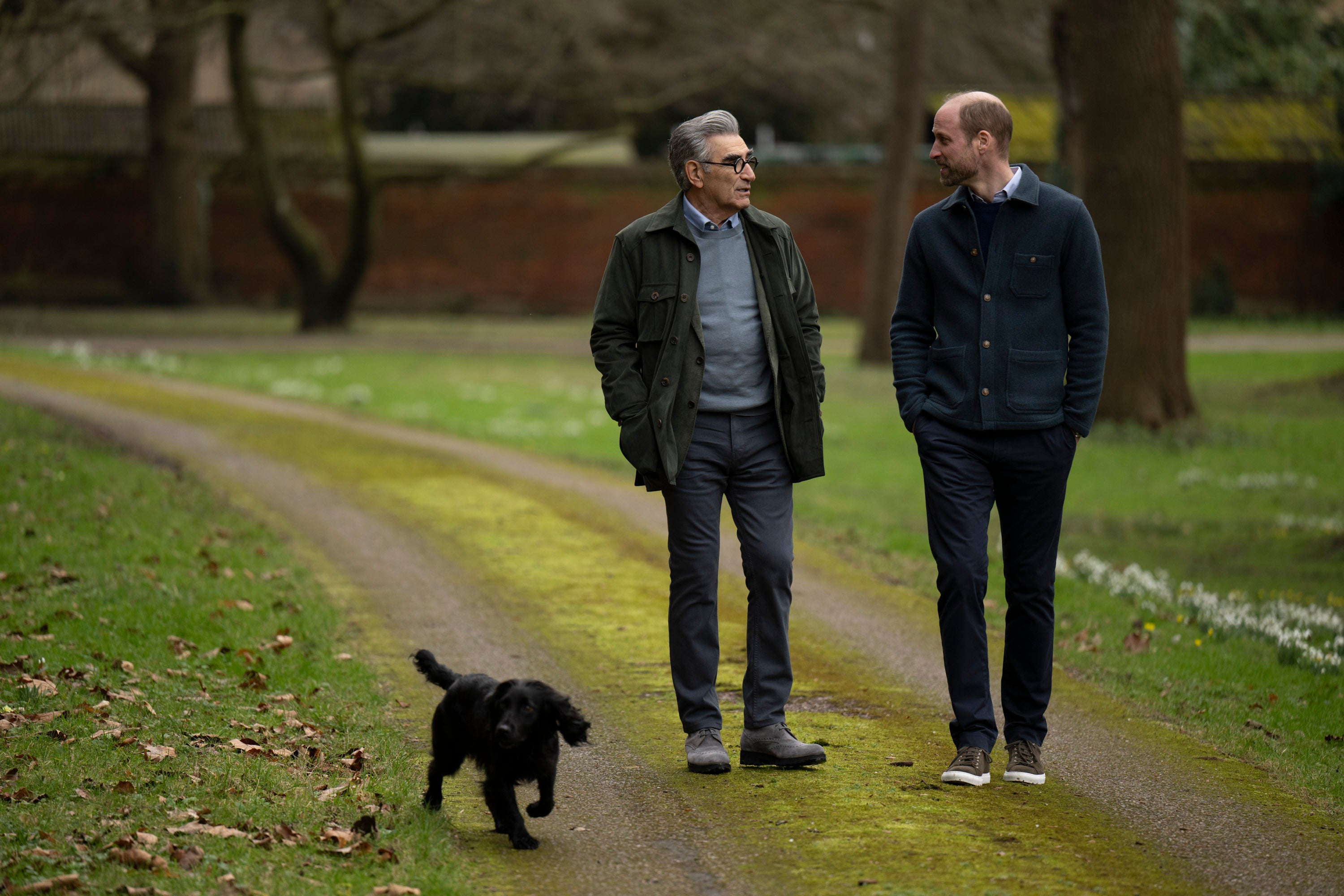
“If we want things to stay as they are, things will have to change,” says Tancredi in the famed quote from Lampedusa’s novel The Leopard. And it’s the same with the monarchy. Prince William isn’t going to inaugurate a full-scale revolution – more a soft evolution. But you can be quiet and still be a significant disrupter. This will be an inside job, and it will come from the top.
As he said in his interview: “Tradition has a huge part of all this. But there are also points where you look at tradition and go, is that still fit for purpose today? Is that still the right thing to do? Are we still doing and having the most impact we could be having?”
We can certainly expect a decrease in flummery and deference under King William V. While it was striking in the Eugene Levy interview that Levy called William “His Royal Highness”, William didn’t tell him not to, nor did he say, “Just call me William.” Still, you got the impression he wouldn’t have minded if Levy had been that informal. The King distinctly does not like that kind of matiness.
Prince William has been brought up with the magnificent royal infrastructure all around him and will be in no hurry to jettison it all. A friend once asked him whether he minded being shadowed by bodyguards everywhere he went, and William said he had grown completely used to it because they’ve been there since childhood.
The same goes for footmen, Old Masters, state dinners and vast palaces. William has grown entirely used to them. As he told Levy, he and his cousins used to get huge splinters sliding along the floor of St George’s Hall, Windsor Castle. Today, his children do the same on the same – now thankfully carpeted – floor.
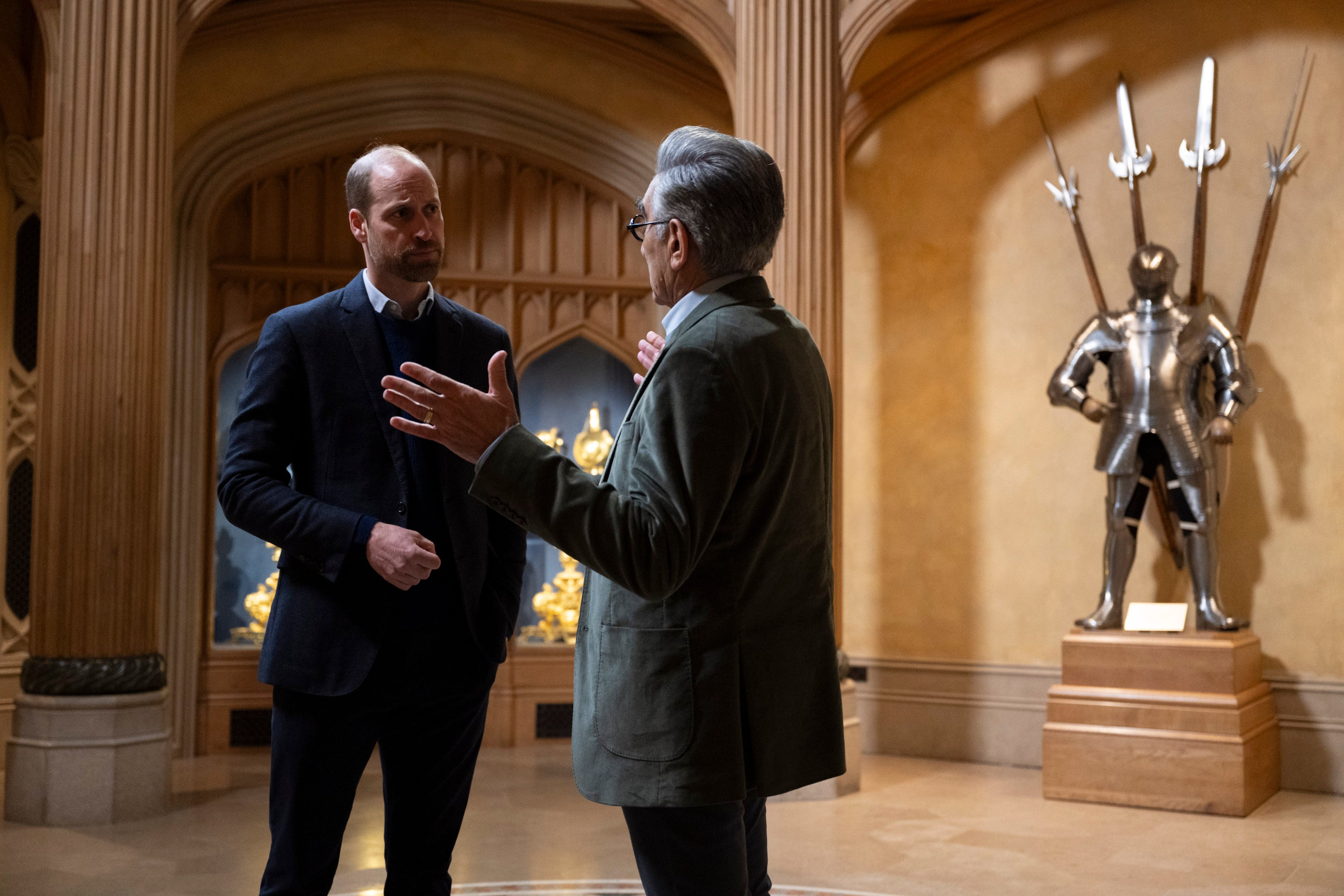
But he also knows that being brought up in luxury doesn’t mean you have to demand it. As King, William will not need indulgences like a royal cushion taken with him wherever he sits; nor will guest bedrooms, when he is away from home, need to be refitted to his every taste.
The King has, in recent years, slimmed down the crucial operations of the Royal Family to himself, the Queen, the Prince and Princess of Wales, and their children. Princess Anne and the Duke of Edinburgh play important supplementary roles. Prince William, as King, is bound to continue that slimming-down. It was striking that, at the recent funeral mass of the late Duchess of Kent at Westminster Cathedral, he effectively cold-shouldered his uncle Andrew. If ever there was a sign of where the wind was blowing, that was it.
His cousins (and friends) Princess Beatrice and Princess Eugenie may in time become working royals as their disgraced father recedes further into the background. So far, they have not put a well-heeled foot wrong, and William may conclude that they could be useful allies, instead of being punished for the sins of their father. And, as they come of age, Prince Edward’s children might join the new cohort too.
Like all Princes of Wales before him, including his father, William has been in training to be monarch all his life. He will know the essential duty of the monarch: to be the constitutional head of state without over-interfering in government policy. That’s the delicate balance that keeps the king on his throne – and his head on his shoulders. In the interview, he referred to being Prince of Wales and king as a “job”, and said he takes his “roles” and “responsibilities” seriously. But he added it was important “you don’t feel they own you – you have to own them.” He also said he aims to create a “world in which my son is proud of what we do.”
Within the parameters of his role as unelected head of state, there is still plenty of wriggle room. King Charles stretched the definition of his role pretty far with his political interventions. And it looks like King William will do the same. Only this week, he has been outspoken about the deaths of humanitarian aid workers in Gaza, and through his Earthshot Prize, he is already wearing his (green) colours on his sleeve.
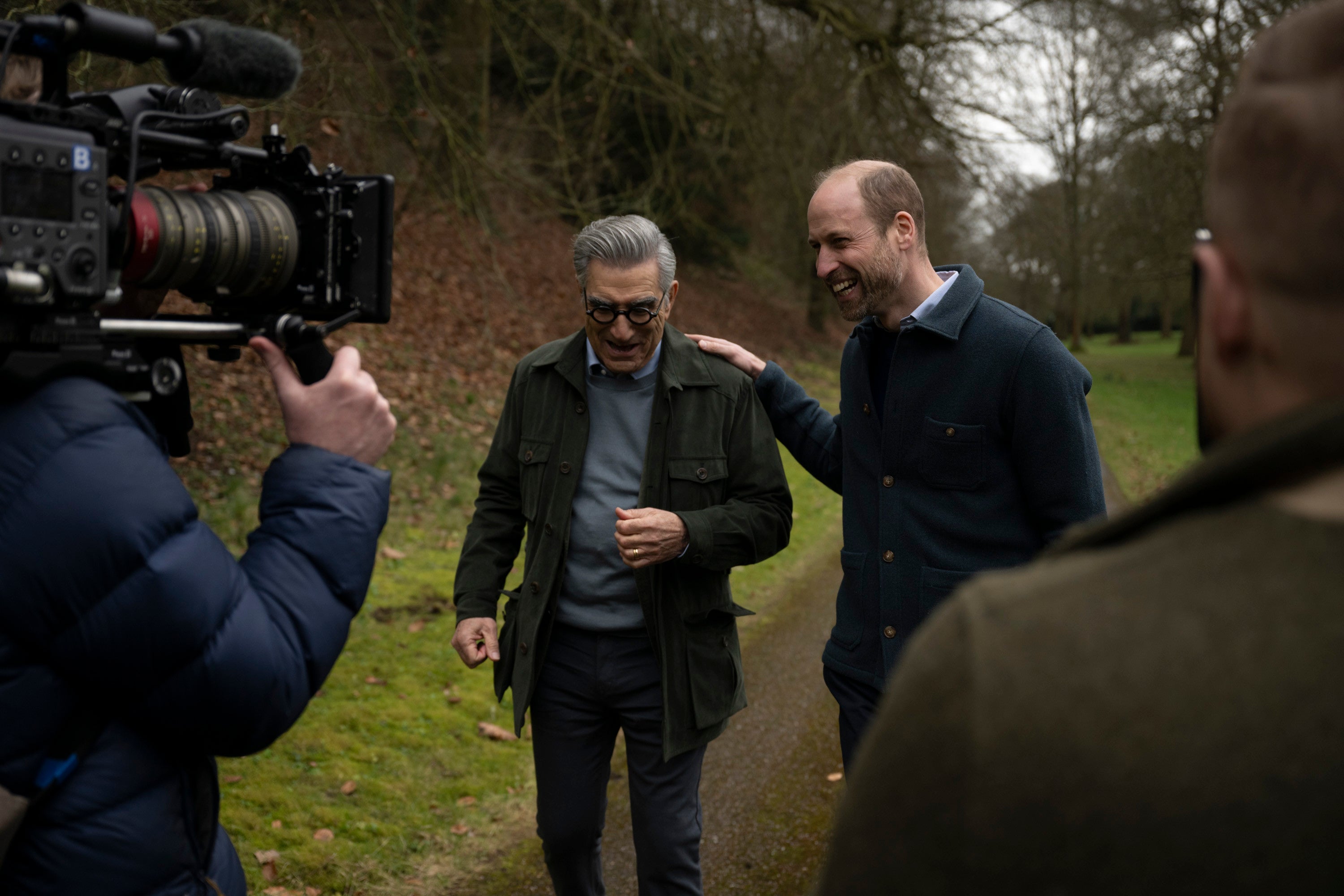
It will be some time before William inherits the big job, and so many of the changes will be small, made incrementally and only once he is monarch. We can expect the British monarchy to move closer to the outlook of their European counterparts in Scandinavia and Spain. Their monarchs are more informal – King Harald V of Norway is admired for his humour and heartfelt speeches. By adopting a more relaxed, conversational style in public, William and Kate are already starting to foster a sense of warmth, especially in their approach to more informal photo calls and their use of social media.
The Scandinavian monarchies also publish detailed annual financial reports and are seen as more transparent about what the public is getting for their money. If William chose to do this, it would be a significant departure from how things are done today – and, some would say, the biggest sign that he will bring in the scrutiny needed to test whether some parts of the institution are truly fit for purpose.
This interview with Levy was clearly a carefully considered moment in his plans for the future. As he and his family move into their new Windsor home, Forest Lodge, it looks like it could be the start of a new beginning for us all.
Join our commenting forum
Join thought-provoking conversations, follow other Independent readers and see their replies
Comments
Bookmark popover
Removed from bookmarks