The Independent's journalism is supported by our readers. When you purchase through links on our site, we may earn commission.
Harry’s homecoming depends on one man – and that’s the problem
Anger abated and almost remorseful, the return of the Duke of Sussex to royal favour has finally moved into the realm of the possible. But as the King warms to the idea of a reconciliation, there is still one massive hurdle to overcome. Tessa Dunlop reports


From Prince Harry’s point of view, it was only a matter of time; he had to clear the decks and eliminate several outstanding legal obstacles before he addressed the thorny issue of a royal reconciliation. The Duke said as much in an interview with the BBC immediately after his failed appeal in the High Court against the Home Office. Most of us would have been preoccupied with the small matter of a £1.5m legal bill, but not Harry. His befuddled thinking exposed a longing for improved royal relations, at the same time as he swung once more for his Pa – apparently, Charles was part of the “good old-fashioned establishment stitch-up” that saw Harry lose his security case.
The Prince derided the King for having “a lot of control and ability” in his hands but doing nothing to support him. (No wonder Charles steered well clear of Harry last May, when the latter, in London for Invictus’s 10th anniversary, was not invited for tea at the palace.)
Charles, then a newish King, ducked a face-to-face haranguing from the Duke of Sussex, who subsequently concluded his father wouldn’t speak to him “because of this security stuff. But it would be nice to reconcile”.
This context explains the recent “peace summit” papped on the balcony of an exclusive London club, involving key players from both royal parties, including Meredith Maines, the communications officer for the Sussex “household”, who was in London to work contacts on their behalf.
She also happens to be the same woman who set up Harry’s BBC interview in May, the one where he fronted the idea of a potential reconciliation. Please note that the Prince has long ago dropped demands for an apology and makes no pretence of missing aspects of royal life: the crazy palace meals, key members of his family and Britain more generally.


Meanwhile, exactly what he does next remains open. Despite his best efforts, Harry has failed to shed his royal skin. A snide article in Vanity Fair earlier this year pointed out that the Duke has the world’s “greatest manners” and comes across as the sort of bloke who “would happily work for charities for the rest of his life and would be very happy if Meghan made all the money”.
Once a royal, always a royal. Fortunately, Meghan’s As Ever brand is Harry’s new equivalent of a sovereign grant. The Duchess’s success (love her or loathe her, Meghan enjoys traction), frees him up to build British bridges. It helps that the Sussexes’ commercial tanks are no longer parked on the royal lawn; petal-sprinkles, raspberry jam and emotive podcasts are a welcome, anodyne replacement for earlier relentless attacks against Britain’s monarchy.
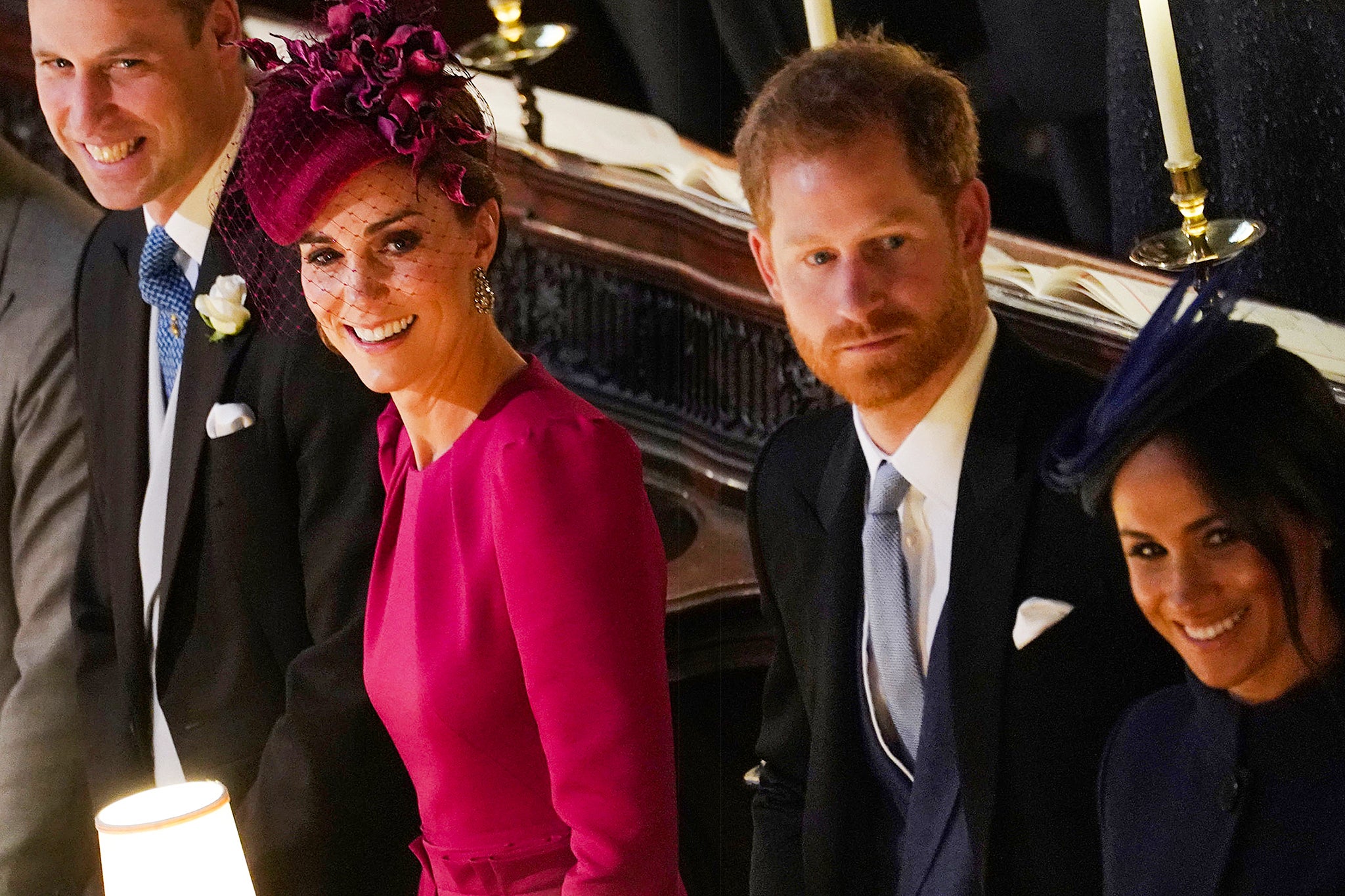
So far, so good. No wonder Tobyn Andreae, the King and Queen’s communication adviser, turned up to meet Meredith Maines at the Royal Overseas League, clutching a bottle of royal-approved wine. Harry, minus his legal fights and blessed with Meghan’s flower power, cuts an infinitely more palatable prospect than he did a couple of years ago. Anger abated, he appears almost remorseful, with the recent implosion of Sentebale a cruel reminder that a ‘life of service’ is far harder to navigate on the outside. It is just possible he really is missing home.
Meanwhile, for those arch-royalists wondering why on earth the King should countenance the prospect of an entente-cordial with his recalcitrant tell-all Prince, it is worth reminding ourselves that we are not dealing with an institution, but rather a father and son.
Even when this is cast through the prism of three well-paid execs – Liam Maguire, Harry’s PR in Britain, was also present on the balcony – when it comes to the King, Harry will always revert to his most childish self, gleefully abusing the presumption that parental love is (almost) unconditional. And while his recent wilful testing of that paternal bond has proved challenging, it is ultimately forgivable. More than anyone, the King understands the power of redemption.
Look at how the British public have forgiven Charles down the years. Mistakes happened. All too often, we hurt those closest to us.
So far, so good; the road ahead is long and not straightforward, but it is hopeful. More broadly, better relations mean improved optics for both parties (in that context, the leaked meeting is not surprising). A softer, forgiving King, and a happier Harry, (who I suspect still covets the half-in, half-out role he mooted five years ago), is an infinitely more appealing prospect than the current cold war statis.

However, when it comes to royal relations, a (crucial) third party was significantly absent from the balcony. Subsequently, the Prince and Princess of Wales have reportedly been less than impressed with a “peace summit” about which they knew nothing. Ouch. While Kate was single-handedly winning Wimbledon in exquisite sartorial style (her Princess England vibe neatly offsetting Meghan’s Little Miss California), beneath the surface, all has not been forgiven. William still bears a grudge – can you blame him? Siblings play by very different rules.
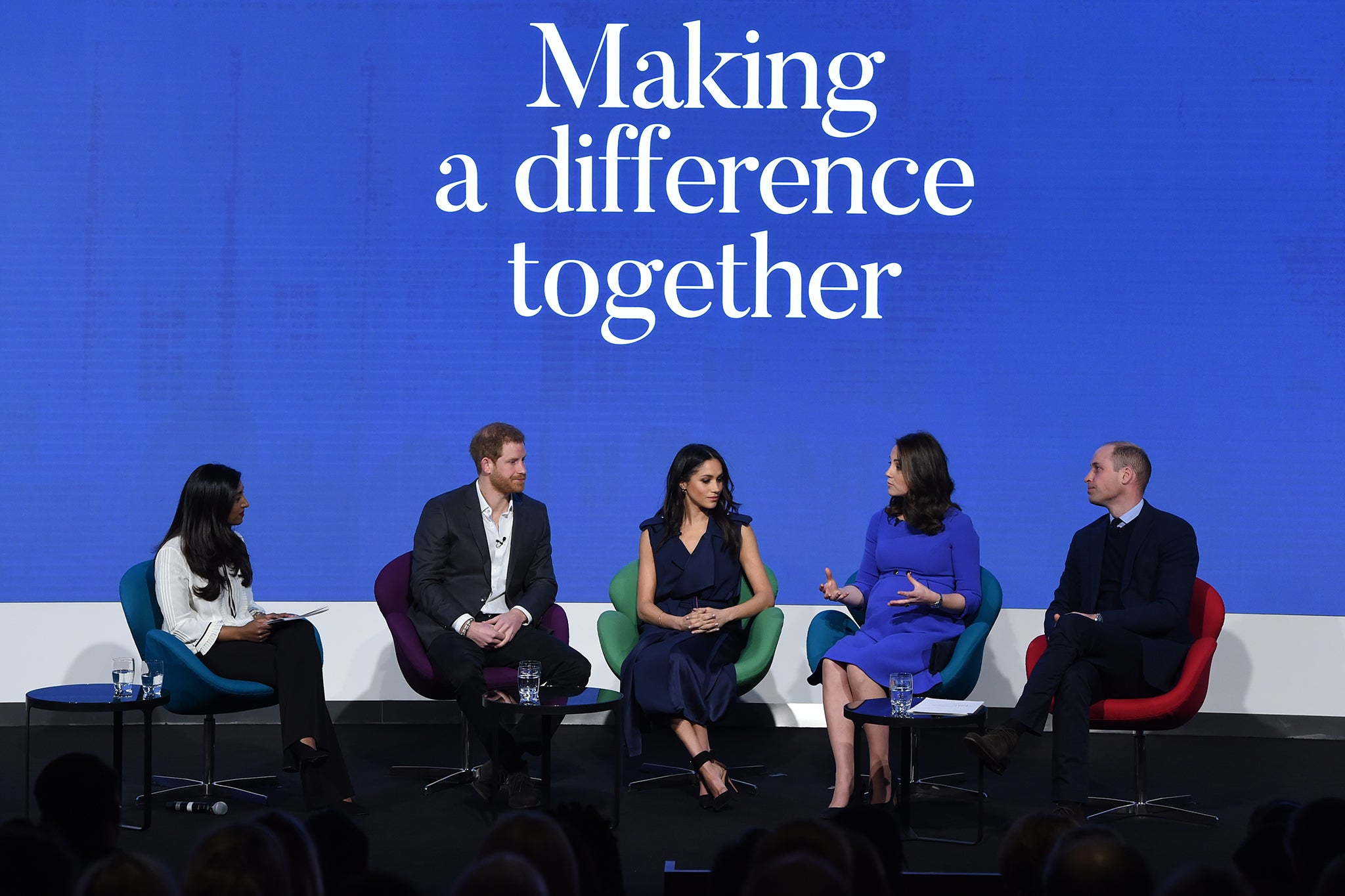
One sun-dappled spring day back in 2017, Kate, William and Harry sat down to talk about the merits of their “Heads Together” mental health campaign. In the interview, Kate marvelled at the brothers’ strong bond, and Harry admitted William often encouraged him to speak about their late mother, an offer he felt unable to take up.
William acknowledged that through their mother’s death they had been ‘brought closer’. The love was palpable; what came next, the hate, has proved equally strong. If Harry looked to protect his father in Spare, he did not cut William and Kate the same slack. It will take years for the future king to trust again, if he ever can. Harry alluded to this when acknowledging there were some in the Royal Family who would never forgive him for what he had written.
The mirroring in recent history is spooky – after the 1936 abdication, stumbling George VI never resumed a normal relationship with his charming, callow brother Edward VIII, (who also wrote a biography).
But emotionally it is not a one-way street, and the Prince of Wales would be foolish to take his familial cues from the unbending social strictures of a bygone era. Today, William sits at the heart of Britain’s most revered institution (and in the face of recent domestic adversity enjoys enormous public sympathy) but moods can change.
As a nation, no matter how much we verbally kick Harry, affections run deep. Beneath it all, what really rankled was the Sussexes’ rejection of our most revered institution. Likewise, William surely knows that one day he must rediscover his affection for his younger sibling. Protected by a pre-ordained sovereign destiny, the longer he withholds the olive branch the more churlish it could start to look.
At the moment King Charles is Harry’s best hope. And even then, a Sussex return to the sunlit uplands of royalty may well prove short-lived. For the Duke to make a meaningful comeback, good relations are required on two levels - with his father-king and with his older brother, the future king.
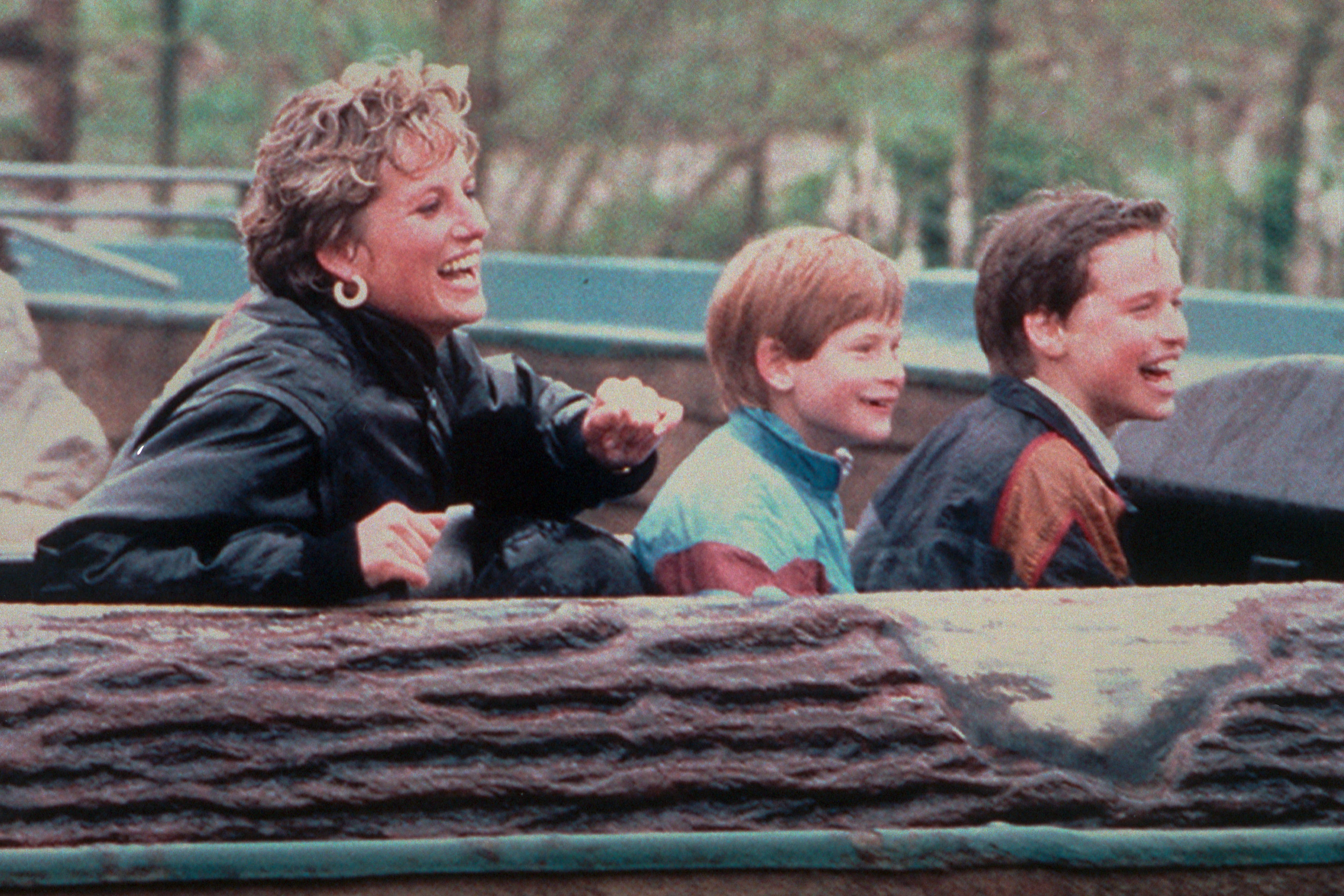
William is not a man for turning, and as the “spare” knows all too well, one day the Prince of Wales will have all the power. But impressive kingship (like all good leadership) requires flexibility. If, at the moment, Harry steals all the negative headlines, it will be history that judges William, his more powerful older brother. Only by genuinely forgiving (and including) the ‘spare’ will he be able to boast that his reign has the requisite hallmarks of modern monarchy - compassion and magnanimity. And most important of all, he will know it is what Diana, his mother, the self-proclaimed Queen of Hearts, would have wanted.
Tessa Dunlop is the author of the new book Lest We Forget: War and Peace in 100 British Monuments
Join our commenting forum
Join thought-provoking conversations, follow other Independent readers and see their replies
Comments
Bookmark popover
Removed from bookmarks