What are statins? The uses and side effects of cholesterol medication
It’s essential to discuss your personal circumstances with a GP when considering statins
New research indicates that the majority of side-effects commonly linked to statins are not, in fact, caused by the medication itself.
A comprehensive study, published in The Lancet, examined data from 123,940 individuals who were monitored for an average of 4.5 years after starting treatment. These participants were part of 19 clinical trials that compared the effects of statins to a placebo.
Researchers concluded that there was no significant increased risk associated with statins for almost all conditions listed as potential side-effects in package leaflets, including depression, sleep problems, fatigue, and headaches.
In light of this research, we spoke to Sindy Jodar, senior cardiac nurse at the British Heart Foundation, to find out what key factors you need to consider when deciding whether to go on statins or not…
What are the benefits of going on statins?
Statins are medicines that help lower your cholesterol and protect your arteries, according to the British Heart Foundation’s website.
“Statins help lower the LDL [low-density lipoprotein] level, which is often referred to as bad cholesterol, and can also help lower triglyceride levels as well,” says Jodar.
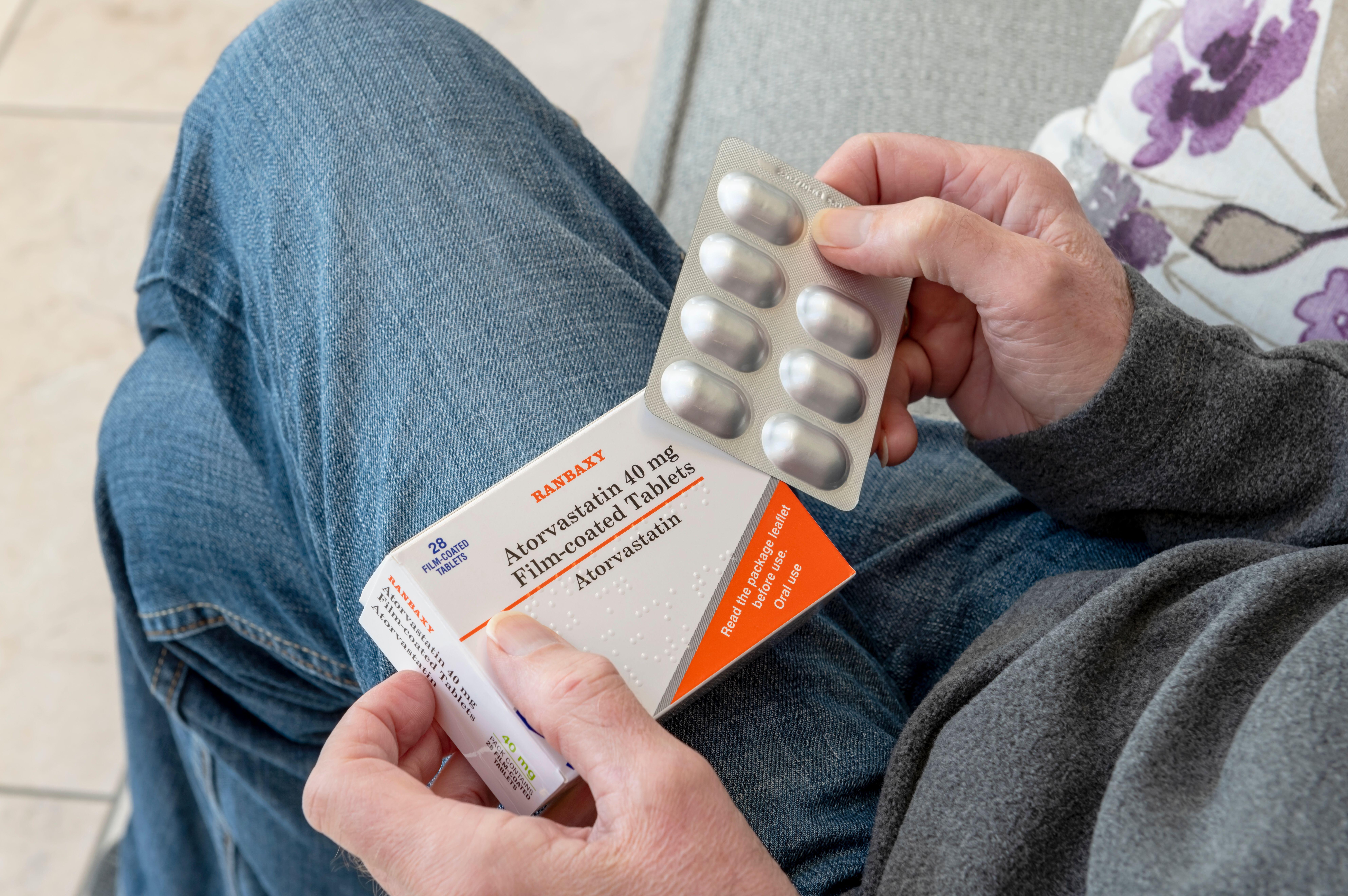
“By lowering LDL levels in the bloodstream, this medication can help prevent plaque build up in the bloodstream and reduce the risk of heart attacks or strokes.”
There are five types of statin available on prescription in the UK, including atorvastatin (Lipitor), fluvastatin (Lescol), pravastatin (Lipostat), rosuvastatin (Crestor), simvastatin (Zocor), according to the NHS website.
“You can’t choose what specific type of statin you want to go on, it’s really up to the clinician who will take into account your risk calculation and the side effects to see which one you will benefit from,” says Jodar. “The most commonly prescribed statin is atorvastatin.”
Who is usually prescribed statins?
“People are usually prescribed statins if their cholesterol level is high,” says Jodar. “However, patients whose cholesterol levels are within a normal range but have a strong family history of premature heart disease, are diabetic, or have high blood pressure, smoke or are overweight might also be prescribed statins.
“GPs will normally do a risk calculation that takes into account the patient’s height, weight, blood pressure, cholesterol result, past medical history and family history – and if the calculator shows that in the next 10 years, the risk of having a cardiovascular disease such as heart attack or stroke is 10% or more, then they will recommend going on a statin. So, they don’t just take cholesterol levels solely into account.”
Statins are most commonly prescribed to older adults.
“This is because age is a significant risk factor in developing cardiovascular disease,” says Jodar. “However, some younger patients with very high cholesterol levels can also be prescribed statins.”
Who might not be eligible for statins?
Although most adults are fine to take statins, they may not be suitable for everyone.
Atorvastatin, for example, might not be suitable if you have ever had an allergic reaction to atorvastatin or any other medicine, have liver or kidney problems, think you might be pregnant, are already pregnant, or you’re breastfeeding or have lung disease, according to the NHS website.
“A statin reduces the production of LDL in the liver, and can sometimes affect liver enzymes, so if you’ve already got deranged liver enzymes, a statin might not a good option for you,” explains Jodar.
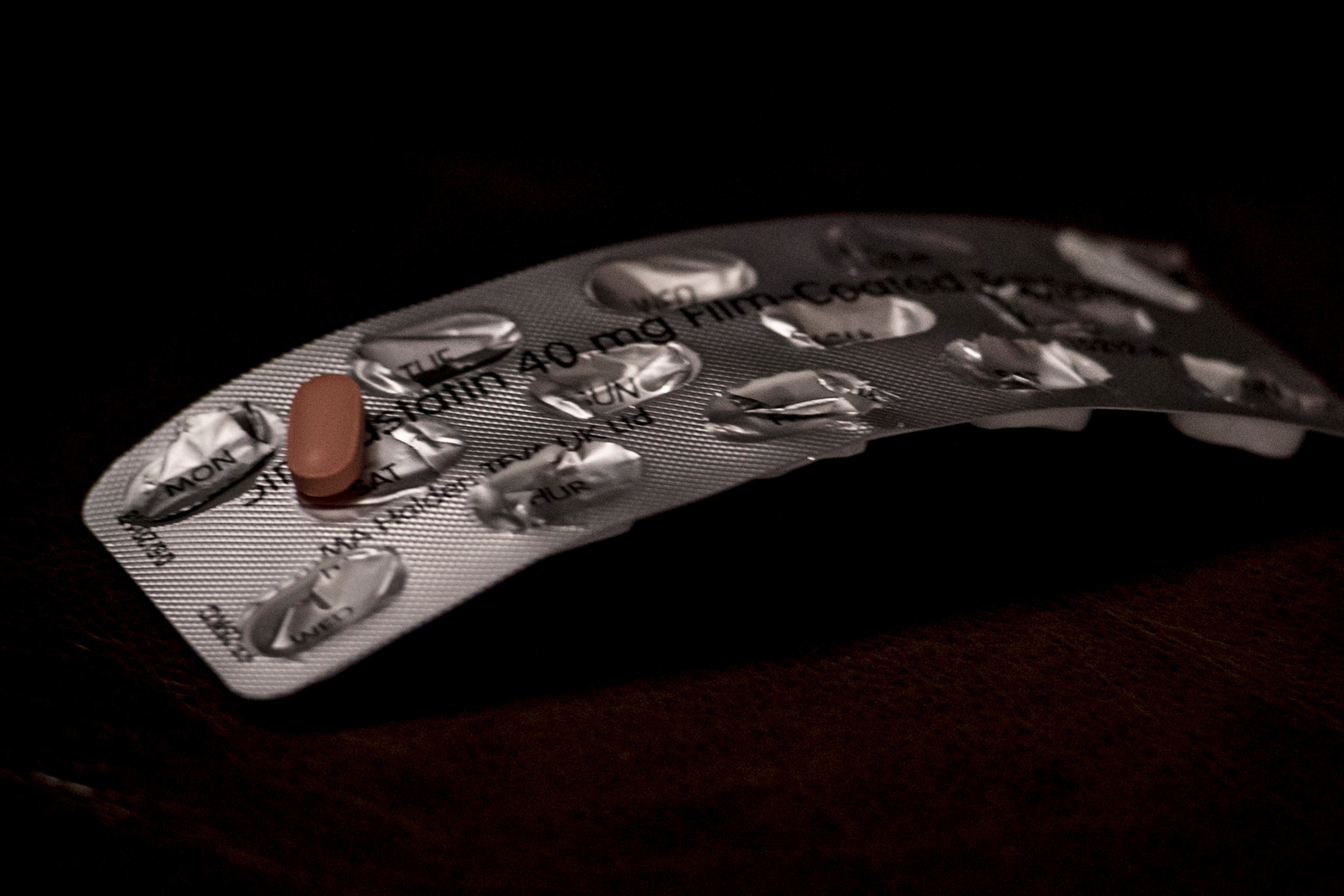
In addition, the NHS website also states that if you have previously had a stroke caused by bleeding into the brain, regularly drink large amounts of alcohol, have an underactive thyroid, have had muscular side effects when taking a statin in the past, have ever had a muscle disorder (including fibromyalgia), have a history of myasthenia gravis or ocular myasthenia it’s important to flag any of these circumstances with your GP before going on statins.
How do you take statins?
“You usually take statins once a day and it’s usually recommended to take them at night, after you have had dinner,” says Jodar.
Patients initiated on statins are typically monitored with follow-up appointments and blood tests to check cholesterol levels and liver function.
“Before you go on statins you have a blood test that will check your cholesterol level and your liver enzymes, and between six months to a year afterwards you will have a repeat blood test to check all these things,” explains Jodar.
What lifestyle factors do you have to consider while you are taking statins?
“Tell your GP what medications you are currently on so they can make sure there’s no interaction between statins and your other medications,” advises Jodar. “It is also advised to not have grapefruit while you are on statins because that can impact the effectiveness of the medication.”
The cardiac nurse also highlights that statins work best alongside a healthy lifestyle.
“By just taking statins, you will reduce your cholesterol levels, but they will be much more effective if you can implement the other healthy changes – such as quitting smoking, being physically active, following a balanced and healthy diet – into your lifestyle as well,” says Jodar.
Can you stop taking statins as soon as your cholesterol levels stabilise?
“Statins are a lifelong medication, so it’s important to have reviews and ongoing conversations with your GP because they know your individual set of circumstances and risk factors,” says Jodar. “If they see that you are reaching a good level of cholesterol, they might reduce the dose.
“If you come off it completely, there’s a risk that your cholesterol will start going up again.
“It’s important to remember that statins are not just a medication for reducing cholesterol, they also play a preventative role in protecting you from having cardiovascular disease in the future. So, if you are in the high-risk category of developing this, coming off the statins means you will be going back to square one.”
Join our commenting forum
Join thought-provoking conversations, follow other Independent readers and see their replies
Comments
Bookmark popover
Removed from bookmarks