The quick health check that could reduce pain for millions of people later in life
The NHS spending watchdog says that this check should be done during bone scans for over 50s
Having a quick spine check as part of a routine bone scan could uncover hidden fractures that affects millions of people.
This simple addition, recommended by the National Institute for Health and Care Excellence (Nice), could significantly reduce pain and disability for osteoporosis patients in later life.
The NHS spending watchdog suggests that this quick check, that takes a handful of minutes, be incorporated into dual energy X-ray absorptiometry (DXA) bone mineral density scans for individuals aged 50 and above.
Crucially, it can be performed on the same scanner during the same appointment.
Osteoporosis, a condition that weakens bones and makes them fragile, puts sufferers at risk of breaks from falls, coughs, or even sneezes.
Nearly three million people in England are affected by this condition.
According to Nice, breaks in the individual bones in the spine are one of the most common types of fracture caused by osteoporosis and can indicate the likelihood of further bone problems.
Eric Power, interim director of the centre for guidelines at Nice, said: “Vertebral fractures can have a devastating impact on people’s quality of life.
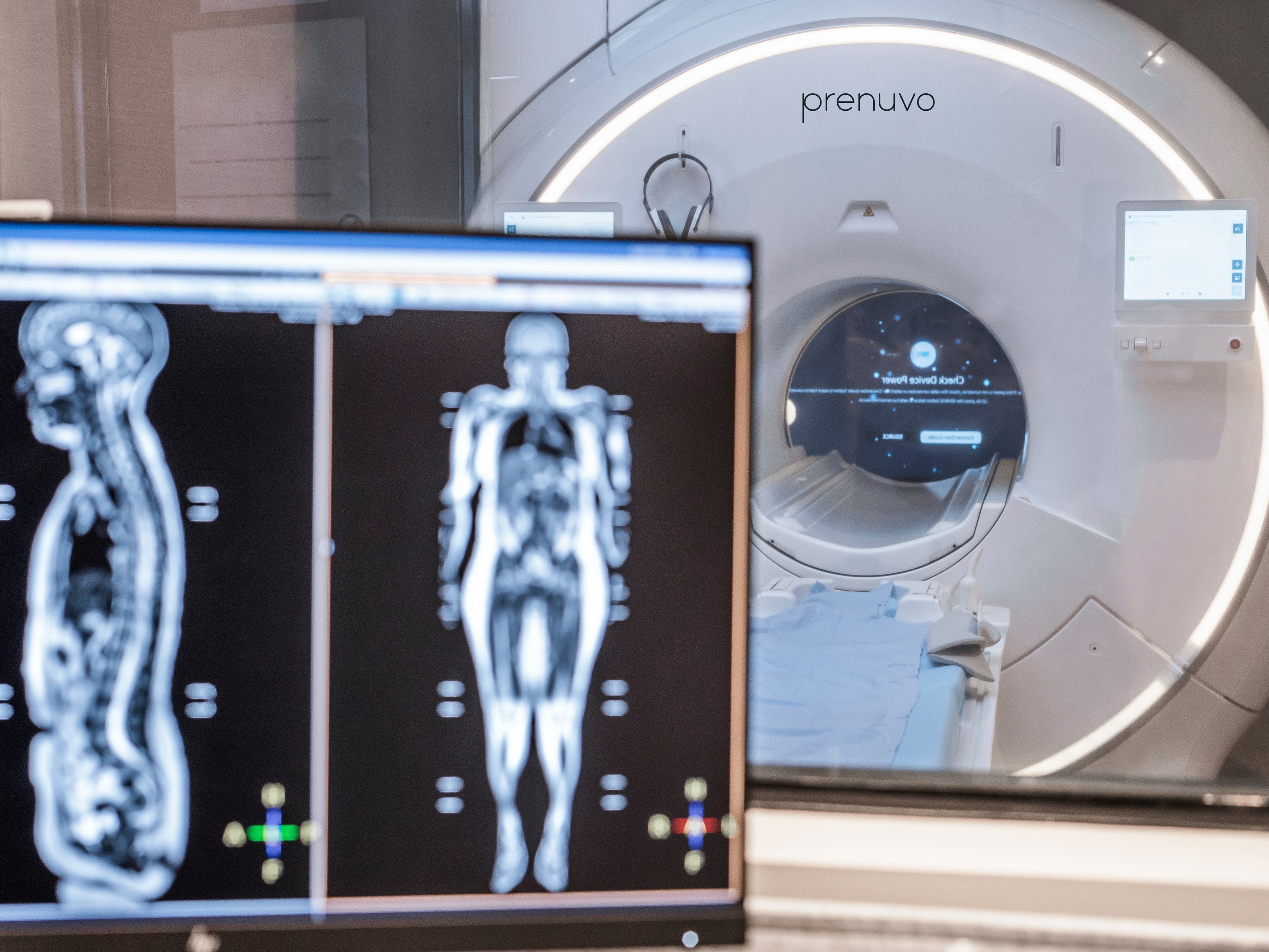
“Introducing vertebral fracture assessments during routine bone density scans will help healthcare professionals get the right care to people sooner.”
The Royal Osteoporosis Society estimates that around 2.2 million people in the UK have undiagnosed spinal fractures.
People are usually offered a DXA scan, which measures bone density and strength, following a risk assessment by a health professional.
But the new draft guidance from Nice also recommends that scans are automatically offered to people with two or more previous fractures from minor falls, or breaks in the hip or spine.
Mr Power said: “Osteoporosis affects millions in England and this guidance will help healthcare professionals target care towards those people at highest risk, improving their quality of life while making efficient use of NHS resources.”
Craig Jones, chief executive of the Royal Osteoporosis Society, welcomed the new guidance.
He said: “Vertebral fractures are common, silent and often missed, yet when left undiagnosed they cause long-term pain, disability and loss of independence, with people losing 20 working days on average.
“This guidance will only make a difference if results lead to treatment and follow-up.
“That’s why it must go hand in hand with the Government’s commitment to deliver high-quality fracture liaison services across the country by 2030. If we want to protect people from a cascade of preventable fractures, that work really needs to start urgently.”
In May, the Government confirmed it would roll out 13 new scanners on the NHS to deliver 29,000 more bone scans a year.
Bookmark popover
Removed from bookmarks