The Independent's journalism is supported by our readers. When you purchase through links on our site, we may earn commission.
Spending just two hours a day on social media is linked to increased loneliness in college students
Students who spent more than 30 hours on social media were nearly 40 percent more likely to report feeling lonely
U.S. college students who spend just two hours a day on social media are more likely to be lonely, according to a large nationwide study.
Researchers polled nearly 65,000 students, aged 18 to 24 years old, at more than 120 American colleges and found that just 16 hours a week on the platforms is enough to increase the risk. About 13 percent of students reported using social media for that amount of time.
For students who spent upwards of 30 hours on social media - the heaviest users - 38 percent were more likely to report being lonely. More than half of the new study’s respondents reported feeling lonely.
The findings have concerning implications for the mental and physical wellbeing of college students, nearly all of whom use some form of social media each day, the Pew Research Center has found.
Loneliness has been shown to harm human health and the World Health Organization says it is linked to an estimated 100 deaths an hour worldwide.
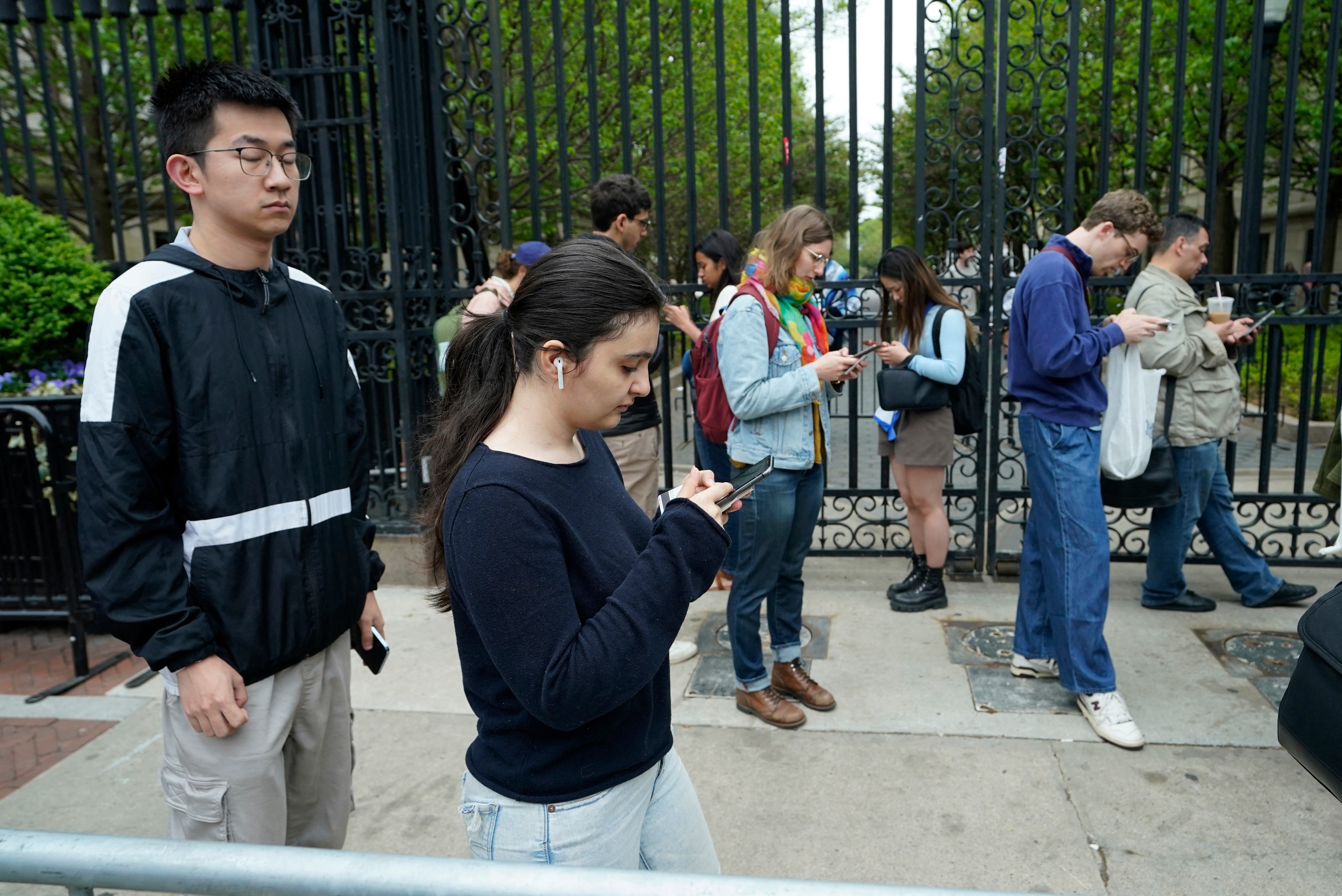
“We know that people who are lonely are more likely to become depressed,” Dr. Madelyn Hill, an assistant professor at Ohio University who co-authored the study, said in a statement. “We also know that those who are lonely are more likely to die early.”
Some research suggests that loneliness is as dangerous to our health as smoking, and the Centers for Disease Control and Prevention says it is a risk factor for heart disease, type 2 diabetes, depression, anxiety, dementia, suicidal thoughts and premature death.
Loneliness is a problem plaguing more than half of Americans, according to a 2025 American Psychological Association report, with some groups are disproportionately impacted. Adults younger than 30 are one of the groups most likely to share these feelings, the Pew Research Center notes.
Younger adults are also more likely to say they use drugs or alcohol when they feel lonely, the association notes. A 2024 study found that more than 20 percent of college student suffer from substance use disorder.
While college students are drinking less than they use to just a few years ago, daily marijuana use seen a “significant increase,” according to Texas A&M Health.
Technology can often be an easy fix for lonely students to feel more connected.
“In some cases, it seems to be helping us reach people who become part of our inner circles or to communicate with those who already are,” American Psychological Association CEO Dr. Saul Levin explained in a statement.
“However, distracting yourself when you’re feeling lonely with social media might be a double-edged sword: while it can connect, it can also lead to feelings of missing out, and we need to make sure we remain conscious of its effects on our mood.”
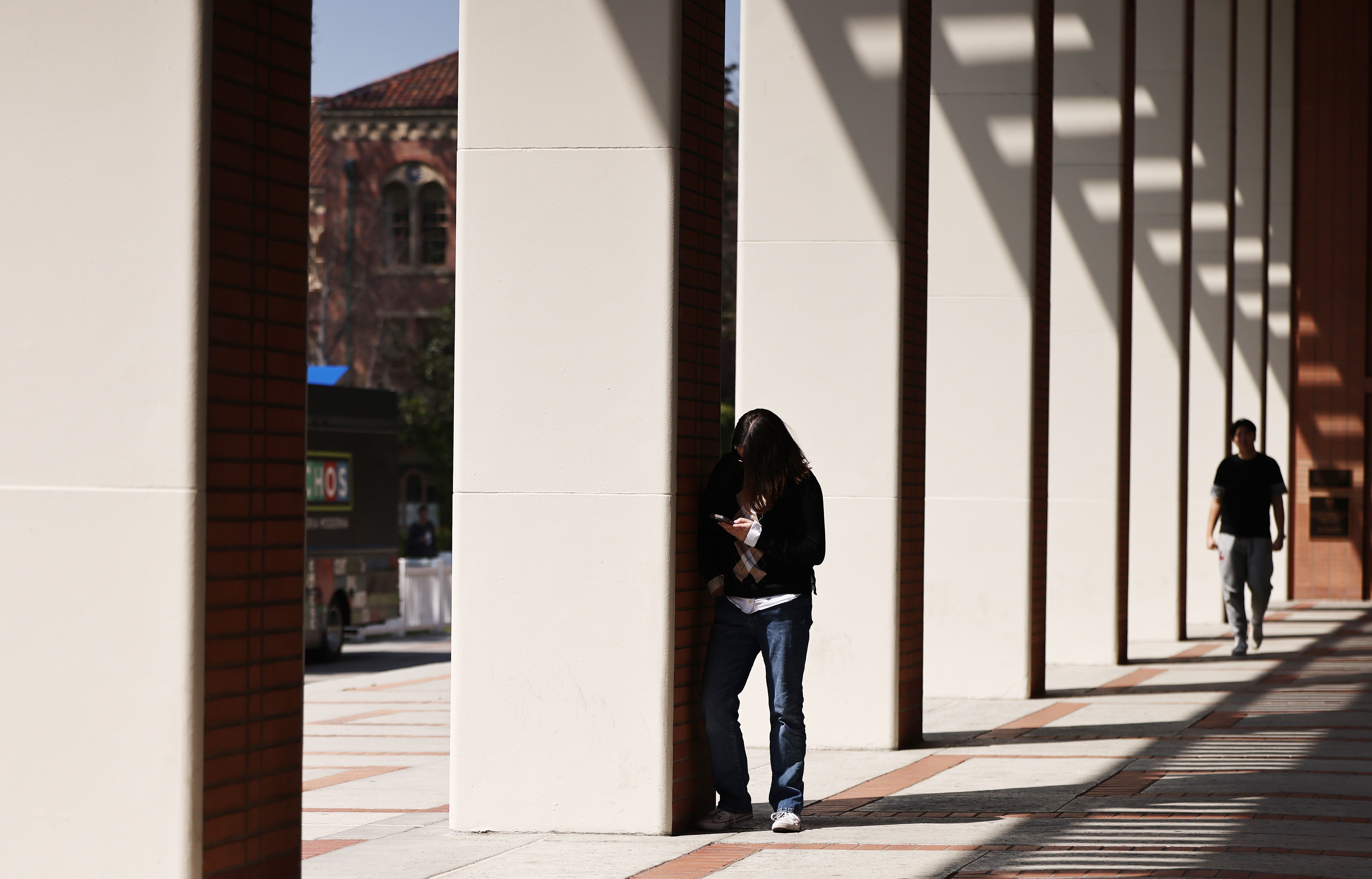
The study’s authors say they suspect that excessive social media use leads to loneliness and that loneliness also leads to excessive social media use.
They also said that some of the students may have underestimated their time spent on social media, potentially impacting the time it may take for students to feel lonely after using it.
They called on academic institutions to better educate their students on these potentially negative effects, as well as encourage students to attend social events on campus.
“Young adulthood is a time of many changes, from leaving home for the first time, to starting college and forming new friendships, and it is vital that colleges and universities do all they can to help their students forge connections with others,” said Hill.
Join our commenting forum
Join thought-provoking conversations, follow other Independent readers and see their replies
Comments
Bookmark popover
Removed from bookmarks