The 12 food preservatives associated with increased risk of diabetes
Preservatives are often used in ultra processed foods such as ready meals, crisps, sugary snacks and breakfast cereals, which have already been linked to poor health by scientists
Food preservatives widely used in processed food and drinks to extend their shelf life, have been linked to an increased risk of type 2 diabetes.
Type 2 diabetes affects about 5 million people in the UK and foods such as sugary drinks, refined carbohydrates, red processed meats and too much salt are known to increase the risk of developing the condition.
Experimental studies have previously suggested that certain preservatives damage cells and DNA and have adverse effects on metabolism - but the links between these additives and type 2 diabetes have not yet been established.

Preservatives are often used in ultra processed foods such as ready meals, crisps, sugary snacks and breakfast cereals, which have already been linked to poor health by scientists, including an increased risk of obesity, heart disease, cancer and early death.
Researchers set out to examine the links between exposure to these preservatives and type 2 diabetes drawing on data provided by more than 100,000 French adults.
The study, published in the journal Nature Communications, suggests a high consumption of preservatives increased the risk of type 2 diabetes by almost 50 per cent.
“This work once again justifies the recommendations made by the National Nutrition and Health Programme to consumers to favour fresh, minimally processed foods and to limit unnecessary additives as much as possible,” explains Dr Mathilde Touvier, nutritionist and Inserm (French National Institute of Health and Medical Research) research director.
Additives were split into two categories for the study - non-antioxidants (which inhibit microbial growth or slow down the chemical changes that lead to food spoilage) and antioxidants (which delay or prevent food spoilage by eliminating or limiting oxygen levels in packaging).
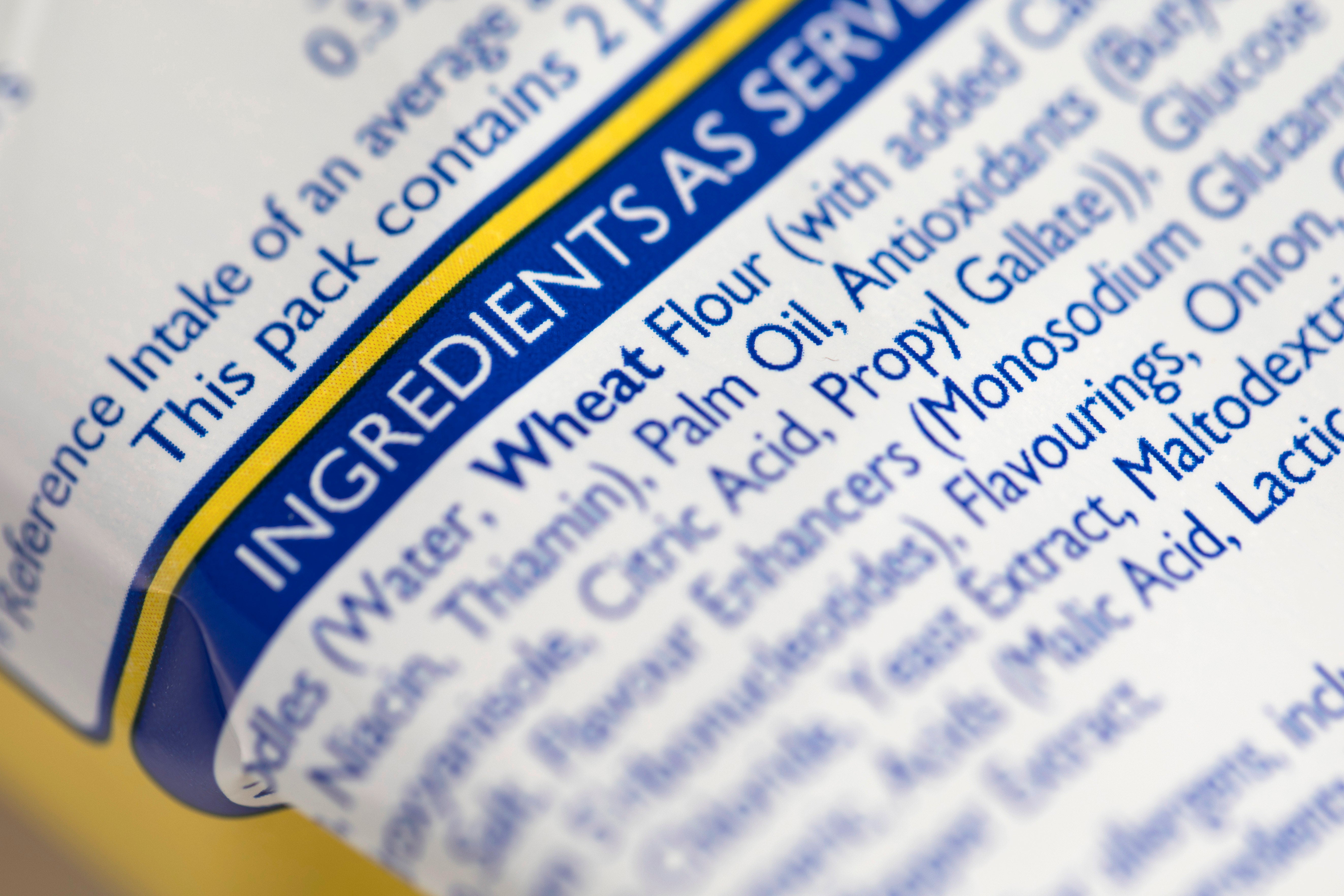
On packaging, they generally correspond to European codes between E200 and E299 (for preservatives) and between E300 and E399 (for antioxidant additives).
Between 2009 and 2023, participants reported their medical history, lifestyle, diet and exercise habits. They also provided scientists with details on what they ate including names and brands of the industrial products they consumed.
Researchers identified 58 preservatives overall and found 17 that were consumed by at least 10 per cent of the cohort participants and looked at these individually.
The analyses took into account the participants tobacco and alcohol consumption and how nutritious their diet was, such as calories, fat , salt and sugar content.
During the study 1,131 cases of type 2 diabetes were identified among the 108,723 participants in this study.
Those who had a diet high in preservatives were 47 per cent more likely to develop type 2 diabetes, in comparison to the lowest levels of consumption recorded.
Non-antioxidant preservatives and antioxidant additives were associated with an increased incidence of type 2 diabetes, 49 per cent and 40 per cent respectively.
Of the 17 preservatives studied individually, higher consumption of 12 preservatives were associated with an increased risk of type 2 diabetes.
- Potassium sorbate (E202)
- Potassium metabisulphite (E224)
- Sodium nitrite (E250)
- Acetic acid (E260)
- Sodium acetates (E262)
- Calcium propionate (E282)
- Sodium ascorbate (E301)
- Alpha-tocopherol (E307)
- Sodium erythorbate (E316)
- Citric acid (E330)
- Phosphoric acid (E338)
- Rosemary extracts (E392)
However, further research is needed to confirm the link between these preservatives and diabetes.
“This is the first study in the world on the links between preservative additives and the incidence of type 2 diabetes. Although the results need to be confirmed, they are consistent with experimental data suggesting the harmful effects of several of these compounds,” concluded Dr Touvier.
Join our commenting forum
Join thought-provoking conversations, follow other Independent readers and see their replies
Comments
Bookmark popover
Removed from bookmarks