Experts warn ‘loophole’ means junk food advert ban doesn’t go far enough
A loophole in the ban means companies can still advertise brand names, which experts argue leaves children no better protected
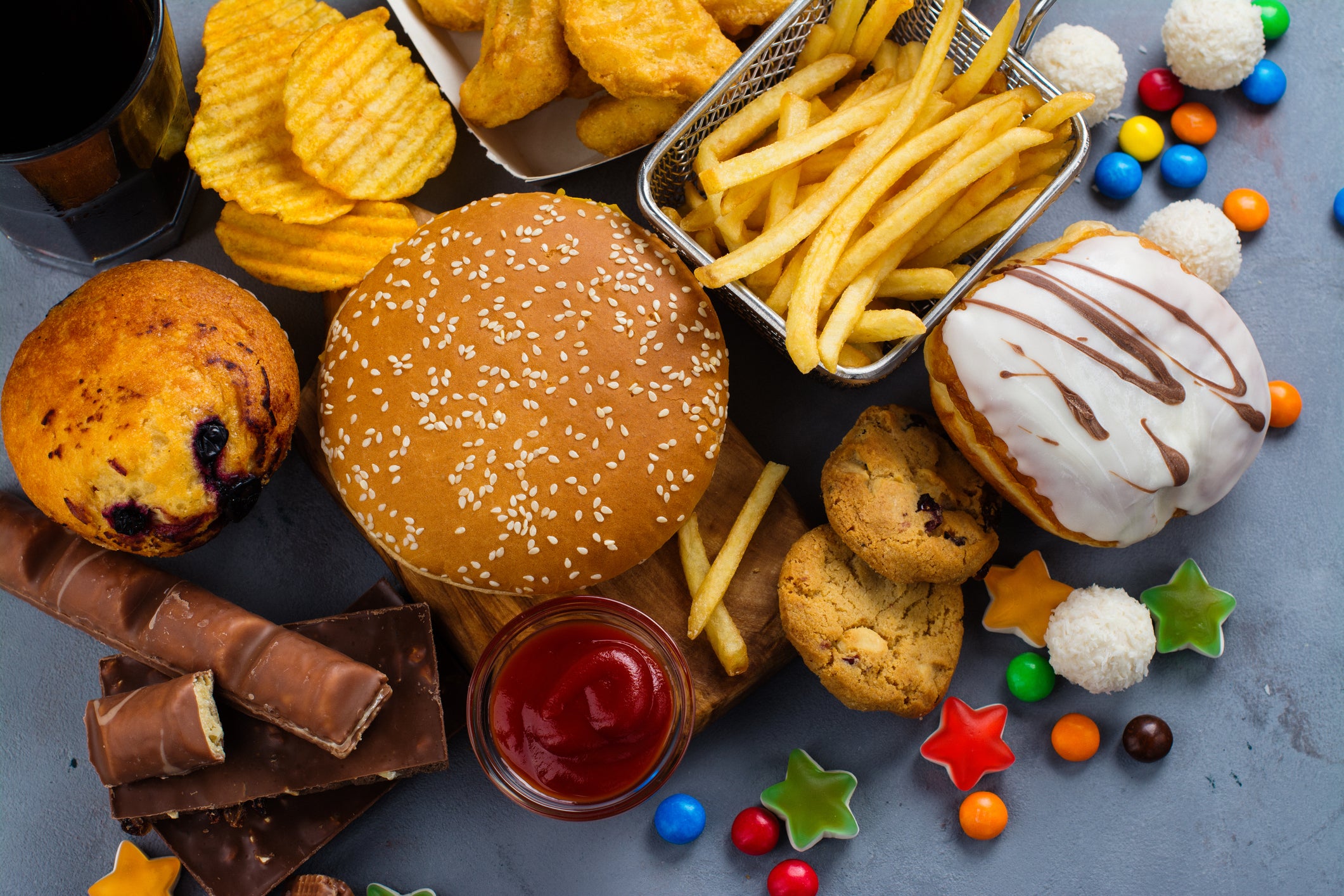
Adverts for junk food have been banned in a bid to tackle childhood obesity, but experts say it doesn’t go far enough as a “loophole” allows food companies to "switch tactics”.
The crackdown will mean “less healthy” food and drink that is high in fat, salt and sugar will not appear in adverts on television between 5.30am and 9pm, and online at any time.
However, the “long overdue” watershed will only apply to adverts where products deemed to be unhealthy can be identified by viewers, meaning firms can still advertise brand names.
Experts have also highlighted that companies are simply switching their methods to reach children in different ways, such as billboard advertising, which doctors argue leaves youngsters – particularly in deprived areas – no better protected.
Spending on outdoor advertising increased by 28 per cent between 2021 and 2024, in the run-up to the ban being announced, according to the Food Foundation, a charity which has called for all forms of junk food advertising to be banned.
"It took more than seven years from when it was first announced to coming into force. In the meantime, companies are switching tactics and switching channels to reach children in different ways,” Anna Taylor, executive director of the Food Foundation, said.
"We can’t stop here, we must remain focused on the goal – banning all forms of junk food advertising to children, and we must create a policy process which can be more responsive to industry tactics and less vulnerable to industry lobbying.”
Dev Sharma, a 20-year-old food activist who has campaigned strongly against junk food advertising targeted at children, argued food marketing can shape cravings before children are old enough to understand what is happening.
“This law was promised as a shield. Right now, it looks more like a filter. By leaving the ‘brand advertising’ loophole wide open, the government is letting the industry pivot, not stop,” he said.
"Banning the burger but allowing the logo is like banning the smoke while keeping the fire. It triggers the exact same craving, just dressed up to look harmless.”
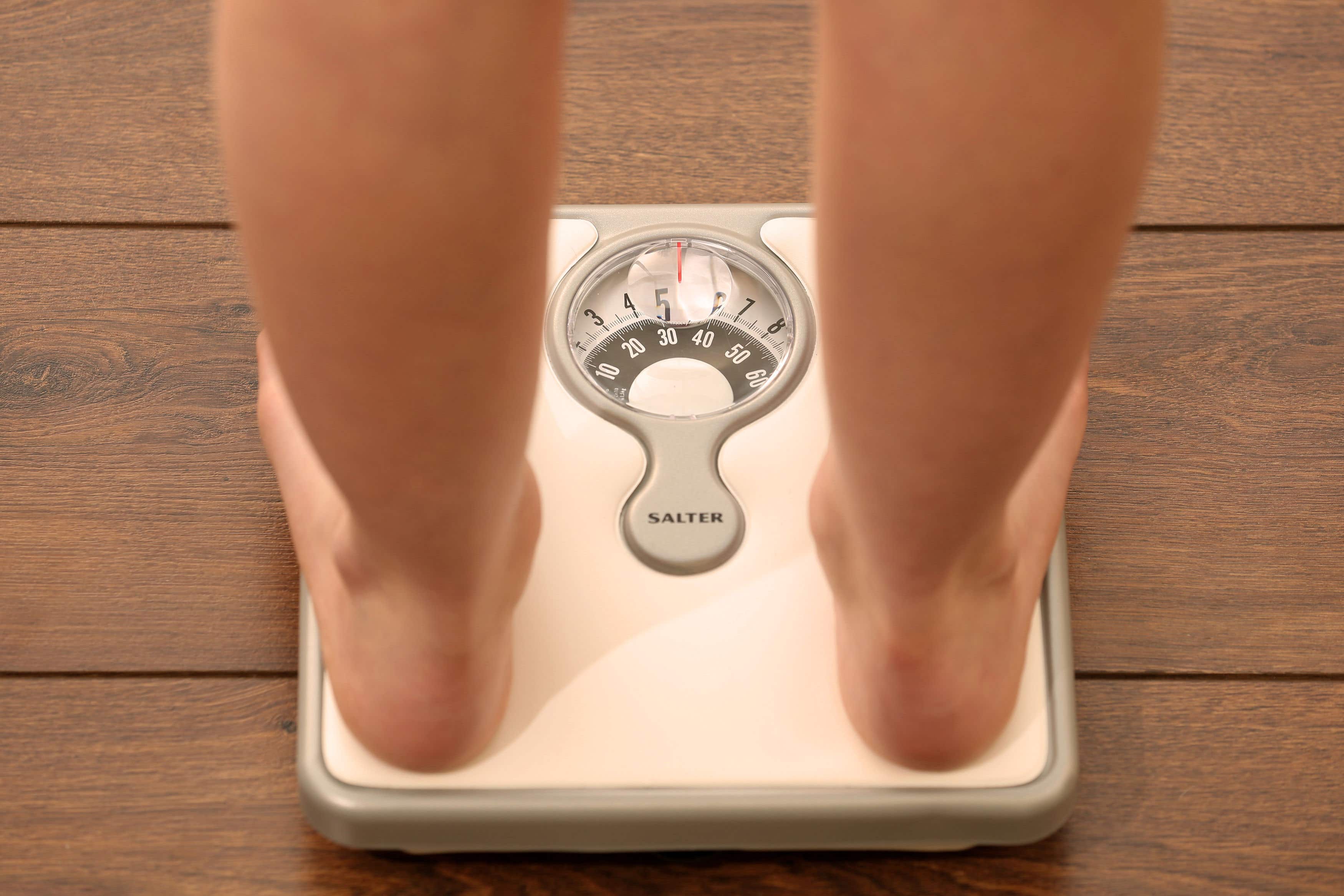
Latest figures suggest one in 10 reception-aged children is obese. The government estimates the advertising ban will prevent around 20,000 cases of childhood obesity.
Foods including chocolates and sweets, pizzas and ice creams, but also breakfast cereals and porridge, sweetened bread products, some main meals, sandwiches and soft drinks are all affected by the advertising ban.
The restrictions apply to products that fall within the 13 categories considered to play the most significant role in childhood obesity. Products are then also assessed as to whether they are “less healthy” based on a scoring tool that considers their nutrient levels and whether products are high in saturated fat, salt, or sugar.
But doctors have said the government should go further and end the brand exemption.
“While these regulations go some way in shifting the balance away from commercial interests and back towards children’s health, we were disappointed to see the industry successfully lobby for their watering down on brand advertising,” Dr Kath McCullough, special adviser on obesity at the Royal College of Physicians.
“There are a range of other things the government must do: ending brand exemption and regulating against the very real risk that advertising simply migrates elsewhere, such as outdoors, leaving some children, particularly those in more deprived areas, no better protected.”
Registered nutritionist Rob Hobson agrees the watershed is not a “silver bullet” but is a “step in the right direction”.
He warned children will still see marketing in shops and outdoor spaces and said this ban should “sit alongside clearer labelling, better affordability and access to healthy foods, food education, and wider action on ultra-processed foods”.
“This policy is reducing the ability of the food industry to directly market less healthy foods to children, which puts more control back with families so it feels like a good starting point,” he added.
The Food and Drink Federation has said it is committed to helping people eat healthier products. It said its members’ products contain a third of the salt and sugar and a quarter of the calories compared to 10 years ago.
A spokesperson said: “Further progress relies on businesses having clear guidance and regulatory certainty to ensure manufacturers have the confidence to continue making these investments. We hope to work with the government to ensure food manufacturers have the necessary certainty to shape a healthier future.”
Minister for health Ashley Dalton said: “We promised to do everything we can to give every child the best and healthiest start in life.
“By restricting adverts for junk food before 9pm and banning paid adverts online, we can remove excessive exposure to unhealthy foods - making the healthy choice the easy choice for parents and children.”
Join our commenting forum
Join thought-provoking conversations, follow other Independent readers and see their replies
Comments
Bookmark popover
Removed from bookmarks