‘My daughter had measles as a baby – 45 years later a devastating complication of the virus killed her’
Subacute sclerosing pan-encephalitis (SSPE) is a rare complication of the measles affecting just 1 in 50,000 cases – but it can be prevented by the MMR
When Sarah Walton caught measles at nursery at just 11 months old, she was too young to get the vaccine that could have protected her from the life-threatening vrius.
She recovered well and didn’t suffer any serious illness, but 25 years later she developed a rare and “devastating” brain condition called subacute sclerosing pan-encephalitis (SSPE), which is caused by a mutation of the measles virus.
After 20 years spent “battling” the condition, which eventually robbed her of her ability to walk, talk and even swallow, Sarah died last year at the age of just 45.
Now, as the latest outbreak of the potentially fatal virus takes hold in northeast London, Sarah’s mother, Jo Walton, is urging parents to get their children vaccinated with the measles, mumps and rubella (MMR) jab.
Ms Walton, said: “Sarah's, fondest hope, when she discovered how ill she was, was that nobody else would go through what she was going through. I am so sad to discover that there have been all these cases of SSPE since Sarah’s death… it's a pointless illness. It is an illness that doesn't need to happen. It's an illness that shouldn't be happening in the 21st century.”
“Measles can be fatal in itself. Measles can cause encephalitis (swelling of the brain), it can cause lifelong disabilities. Measles can cause devastating neurological illness, like what Sarah had. It is so awful watching your child go backwards, and it doesn't matter how old that child is.
“It is possible to stop your child or other children dying as a result of [measles], so I hope our experience will serve as a warning to parents. Measles is evil, and it should be vaccinated against.”
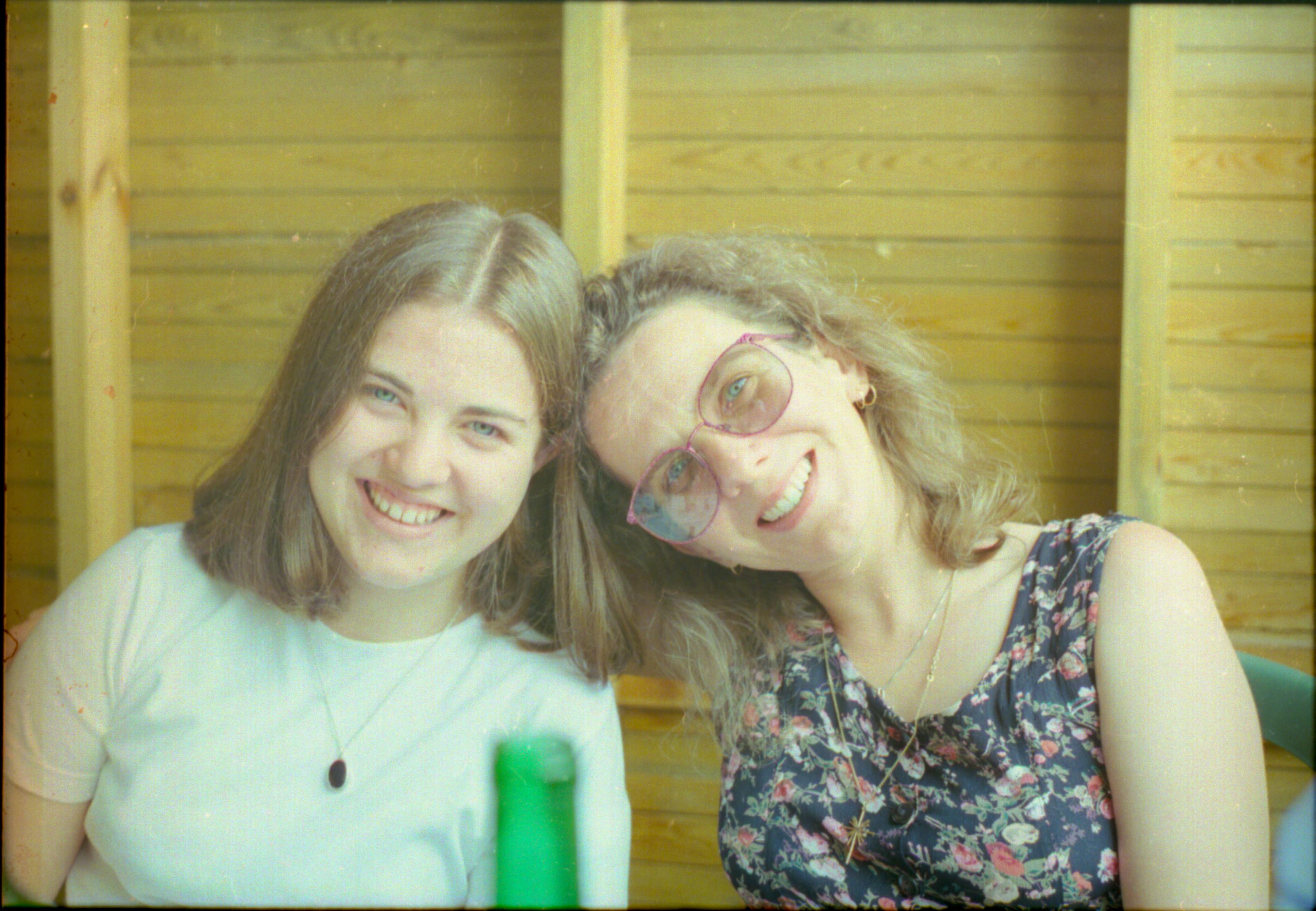
Sarah’s story comes amid national concern in the UK over decreased uptake of the measles vaccine, which has fuelled an outbreak in Enfield, with more than 60 cases linked to several schools and a nursery.
SSPE affects 1 in 50,000 cases of natural measles, and according to data from the UK Health Security Agency, since 2009, three children and three adults have died from the condition. It is caused by a mutated measles virus, and typically occurs five to 15 years post-infection, primarily in children.
Sara was born in 1979, and Jo recalls that she was “a bit of a whirlwind”. She said: “She had to do everything at a million miles an hour. She hit all the milestones really early. She was walking by the time she was nine months, and she was rolling across the floor.”
But when she was 11 months old – too young to have had the MMR vaccine that is given to children aged over 12 months – she caught measles after attending nursery, where there were a number of cases circulating. Sarah recovered fully, her mother recalled, and didn’t suffer any acute illness.
For the next two decades, she lived a healthy life and “excelled at everything she did”, including music and sports – she was captain of a hockey team.
Later she studied at St Andrews University in Scotland, and began a midwifery course at Kings College London. However, halfway through the course, at the age of 25, Sarah began to notice stroke-like symptoms, and went to the doctor.
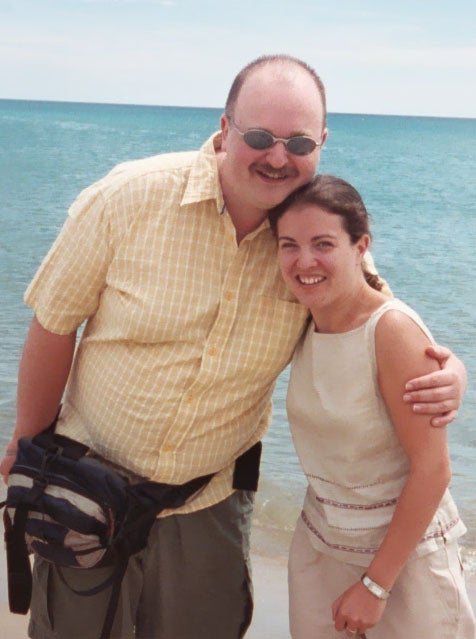
Jo said: “She'd lose words, she'd do buttons up wrong, she'd put the washing machine on without any washing powder in it. One of her legs used to give way on a regular basis, so she'd fall, and she couldn't drink a cup of tea because her hand would suddenly jerk.”
In September 2004, Sarah and her parents received the shocking news that she had SSPE.
Jo said: “I had no idea what SSPE was. [The doctor] explained that it was a very rare, but devastating, complication of the measles virus. He was also very clear that it was not something that you could treat – it was terminal.”
Two months later, in November 2004, Sarah went into hospital after experiencing “massive events of pain”, and her life was never the same again.
“She was walking, she was talking, she was eating. Five weeks later, on 2 December, she came out, she was unable to move, she was unable to speak and she was unable to swallow,” Jo said.
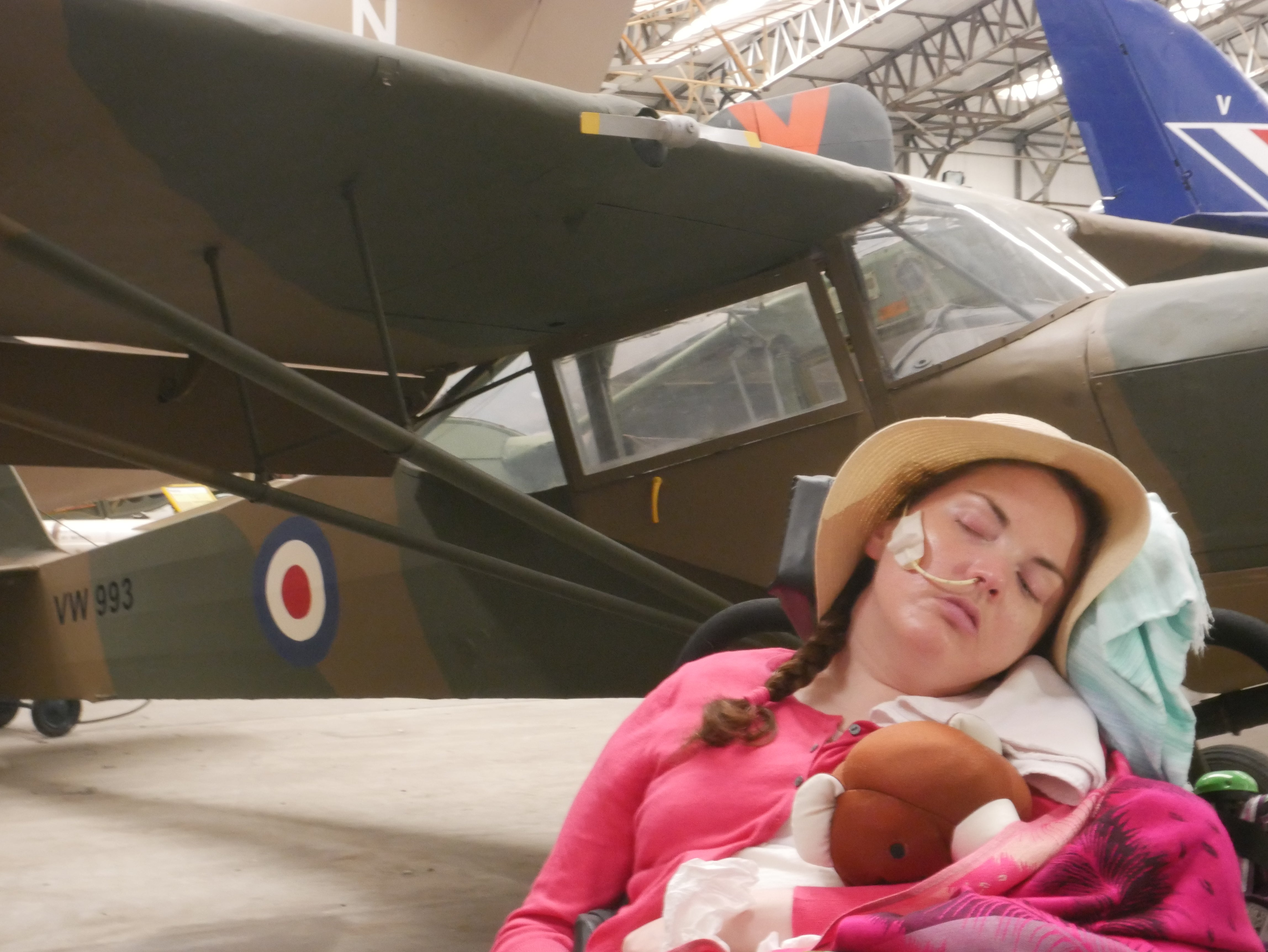
From then onwards her parents took care of her at home with nursing support. She died in her father Mark’s arms on 26 February 2025.
Her mother said: “She deserved her wings. She had fought really hard to stay with us for 20 years, and despite her devastating illness and devastating disabilities, her personality never left her. We miss her every single day and night.”
Measles usually starts with cold-like symptoms, followed by a rash a few days later. Some sufferers may also get small spots in their mouths.
The rash starts on the face and behind the ears before spreading to the rest of the body. The NHS advises parents to seek advice from 111 or their GP if they think their child might have measles.
The charity Encephalitis International is also running a campaign, called Flames, to help increase public awareness of the symptoms of the condition, which include:
- F – Flu-like symptoms
- L – Loss of consciousness
- A – Acute headache
- M– Memory problems
- E – Emotional or behavioural changes
- S – Seizures
Join our commenting forum
Join thought-provoking conversations, follow other Independent readers and see their replies
Comments
Bookmark popover
Removed from bookmarks