Children are ‘sitting ducks’ in measles outbreak as dozens of schools block vaccination teams
Experts warn unvaccinated children at risk as north London outbreak spreads
Children starting school are the “sitting ducks” of the latest measles outbreak, experts have warned, as new research shows dozens of schools have denied access to vaccination teams.
This week, more than 50 suspected cases of measles have been reported by seven schools and a nursery in Enfield, in north central London, prompting Sir Keir Starmer to issue a warning to parents to get their children vaccinated.
Now, The Independent can reveal that the government was warned two years ago that schools in neighbouring north east London were refusing access to NHS vaccination teams, who target children who missed their routine jab at around 12 months of age.
A 2023 study of vaccine uptake by the London School of Hygiene and Tropical Medicine (LSHTM) published in January 2026, found 32 out of 450 schools in northeast London, which included areas of Hackney and Barking, “did not allow access” to NHS school-age immunisation services.
Researchers, led by assistant professor Ben Kasstan-Dabush, also found that information on children who needed vaccination in at least 15 of those schools was not shared with the immunisation teams.
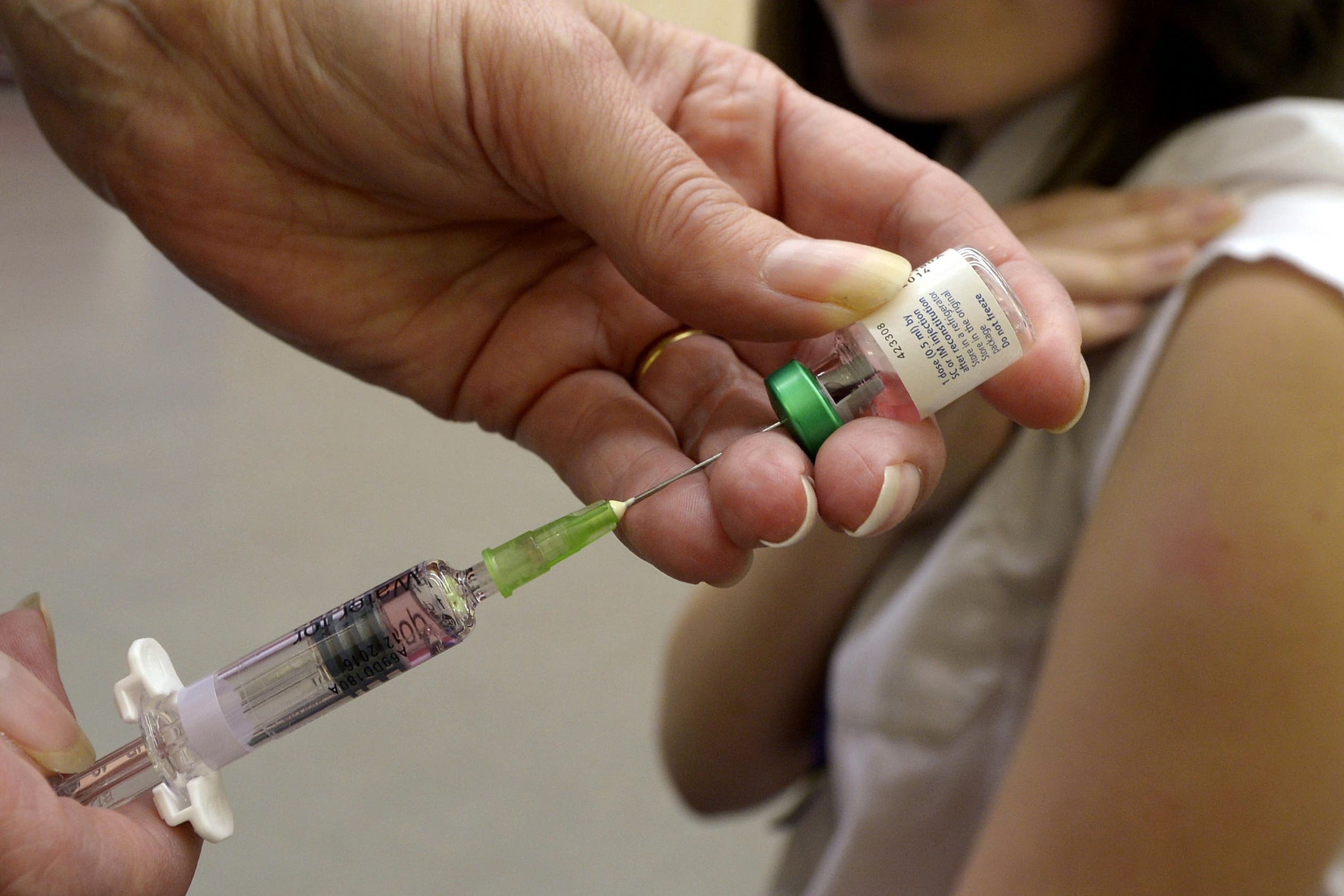
The latest figures from the UK Health Security Agency show that just 65 per cent of children in the neighbouring Haringey area and 58.3 per cent in Hackney had received both doses of the jab in 2024-25 – well below the 95 per cent target to ensure herd immunity.
Prof Kasstan-Dabush said: “In Hackney, [almost] one in three children has no protection. So it means that, as measles is circulating anyway, there are a lot of children who are sitting ducks, waiting to get very poorly, unfortunately.
“What we’re seeing in Enfield has every potential to spread elsewhere. Like it very much did, you know, if we go back to 2024 and 2025.”
He added: “It is so important to catch children up on the vaccination schedule because they’re already of school age. That’s where it becomes really, really contagious. Because kids are mixing in classrooms and playgrounds. But we also know that not all schools support immunisation teams, and not all schools have immunisation teams to vaccinate on site. There’s no requirement for schools to allow access to immunisation teams, and it’s a huge problem.”
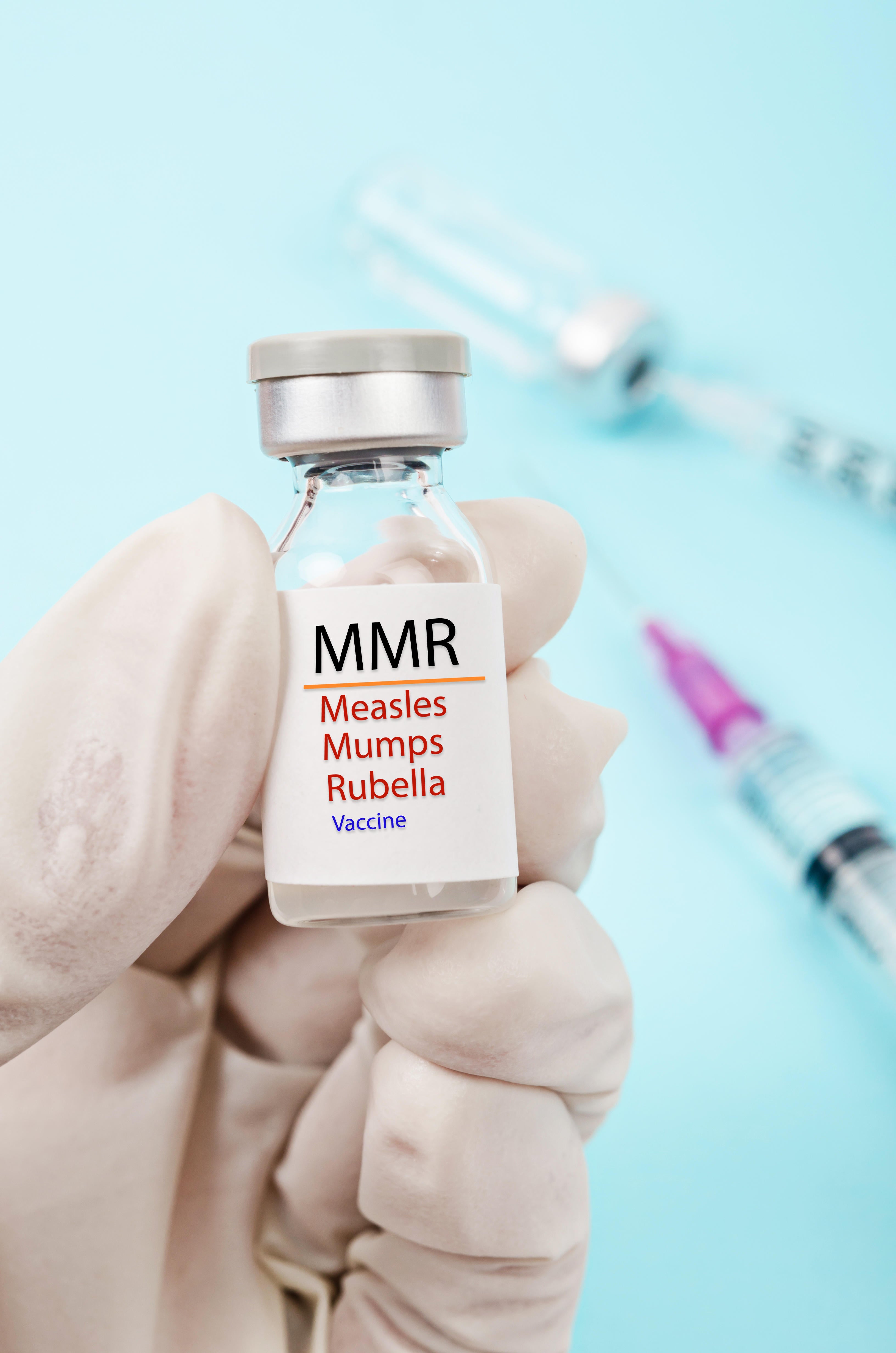
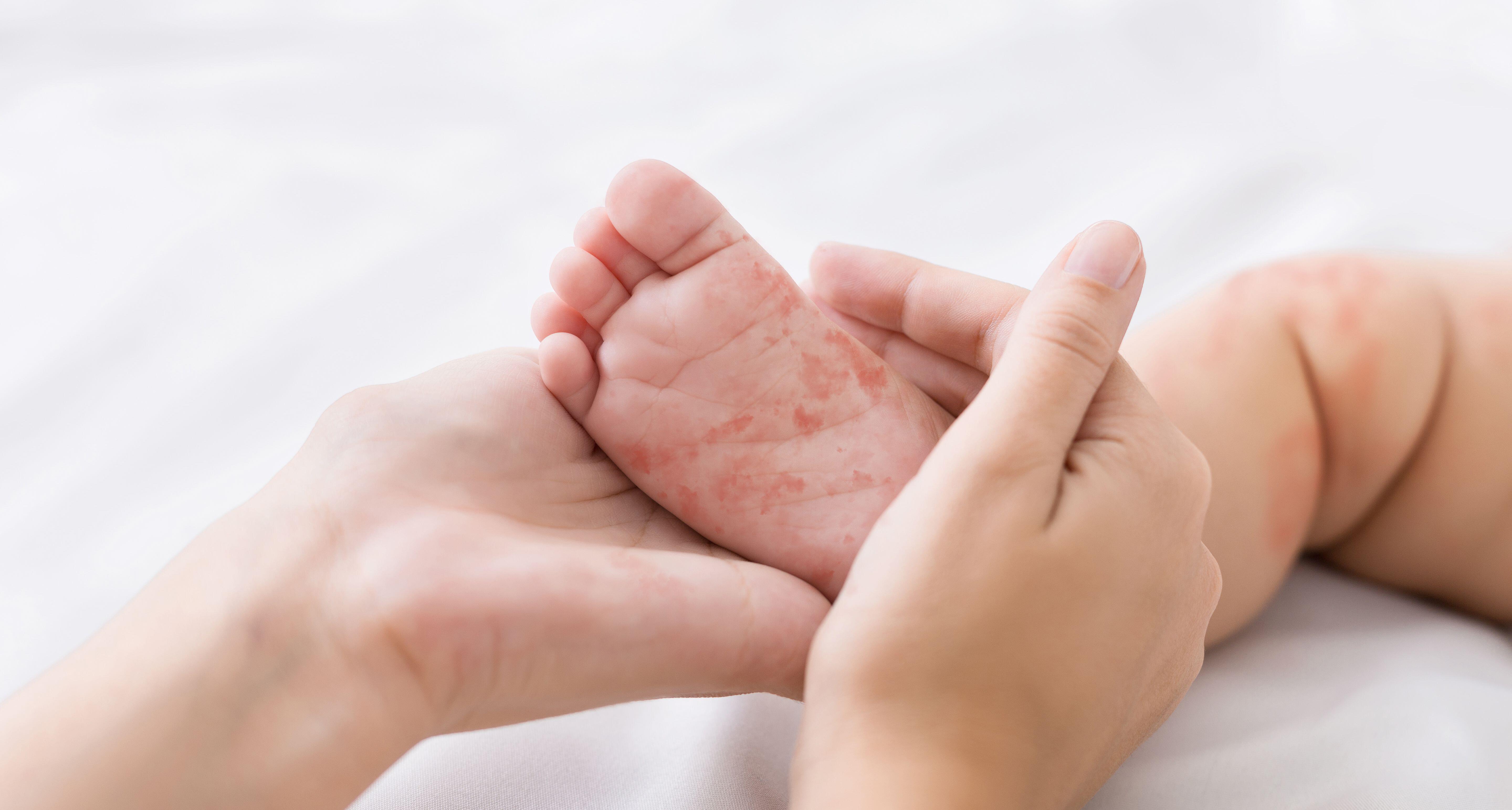
Data from the World Health Organisation (WHO) for 2025 reinforces the importance of vaccines, showing that more than 1,000 unvaccinated children aged five to 15 caught measles in 2024 and 2025 in the UK, compared to 183 who had only one dose of the vaccine, and 123 who were fully vaccinated.
“It illustrates how important vaccines are because more than half of those children that became ill were not vaccinated and another quarter had only received one jab and were not yet fully immune,” Professor Ian Jones, a virologist at Reading University, told The Independent.
Although they make up a minority of cases, Prof Jones said he was surprised that even those who were double vaccinated still got infected.
“We do not know the severity of the infection, whether they were a bit late getting vaccinated, it’s perfectly feasible to be vaccinated but then get infected the next day,” he explained.
Following the findings by the LSHTM, researchers alerted the Department for Education to the school refusals in 2024 and called for a change in policy, which would require schools to give vaccine teams access.
Researchers received a response from the then-education minister, Gillian Keegan, but it is not clear if any guidance or policy was changed.
Prof Kasstan-Dabush said schools might not allow access because they’re worried about disruption to the school routine, or capacity to support vaccination teams, while some may be unclear on whether they’re able to share information with the NHS.
However, he added: “Another one is that schools might just not play ball, and often we do see that, particularly with independent faith schools. So what we see is there is inequity in catch-up programmes.”
Prof Kasstan-Dabush said wider issues linked to austerity have impacted vaccination coverage, with the number of health visitors for under-fives having been “slashed” and services such as Sure Start centres, which provided health, early learning and parenting support for those with children under five, having been cut.
“With numbers of health visitors slashed and Sure Start centres closed or scaled back under austerity, we have since seen a greater burden on primary care, but they cannot address the challenge of declining vaccination coverage alone. They need support from across the health and social care system. I hope that the Labour government’s child poverty strategy can help to undo the implications of austerity,” he said.
Following the latest outbreak in Enfield, Enfield Council warned in a letter to parents that unvaccinated pupils identified as close contacts of people with measles could be excluded from school for 21 days, in accordance with national guidelines.
Some experts believe there is a balance to strike between stopping the spread of measles and education.
Professor Paul Hunter, epidemiologist at the University of East Anglia, compared the issue to the Covid pandemic, when children were forced to learn at home.
“During Covid, closing schools had some important role in reducing spread, but also they damaged children’s educations, which can have ongoing life implications,” he told The Independent.
“If you’ve got an unvaccinated child and you know there’s measles circulating in the school, then your child is clearly at increased risk of catching measles,” he added. “If that child remains unvaccinated, then at some point, they are likely to pick it up.”
But he warned “parents won’t necessarily follow advice” and cannot always “afford” to take time off work to look after their child.
Keith Neal, emeritus professor of the epidemiology of infectious disease at the University of Nottingham, believes the 21-day rule would be a “serious issue for some parents” but encouraged them to get their children vaccinated.
He warned that measles will “spread anywhere” there are susceptible, unvaccinated people and will continue to do so until vaccination rates increase.
A spokesperson for the Department for Education said: “Schools and immunisation services should be collaborating to keep children protected from serious and dangerous illnesses.
“We are working to improve vaccine uptake in schools, including by engaging with local leaders, providing guidance on delivery, and by making sure everyone understands the importance of vaccines.”
Join our commenting forum
Join thought-provoking conversations, follow other Independent readers and see their replies
Comments
Bookmark popover
Removed from bookmarks