Campaigners slam ‘wholly inadequate’ compensation for infected blood victims
The Hepatitis C Trust has raised concerns about an element of the payouts for people who were victims of “unethical research”
Outrage has been sparked over the "ridiculous" compensation payments suggested for victims of unethical medical research, particularly schoolchildren who were infected with HIV and hepatitis.
More than £2 billion has already been disbursed in compensation for the infected blood scandal.
But a charity has voiced "profound concerns" about a specific aspect of the payouts for those subjected to unethical experiments.
The concerns specifically highlight cases such as pupils at Lord Mayor’s Treloar’s College in Hampshire during the 1970s and 1980s.
Children with haemophilia at the specialist care facility were unknowingly subjected to experiments by NHS clinicians, who were aware of the inherent dangers.
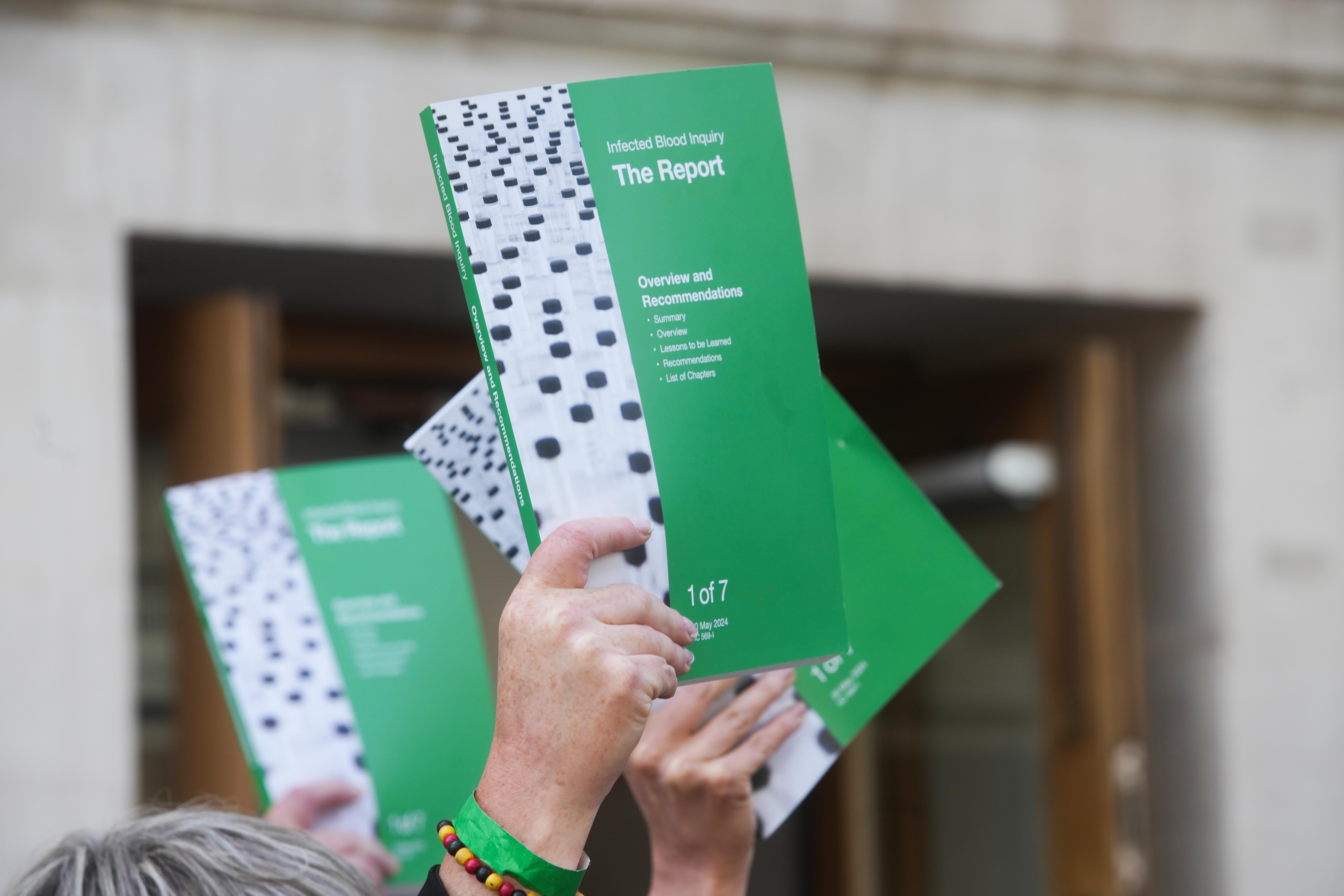
The Infected Blood Public Inquiry’s report, published in May 2024, said that children with bleeding disorders who attended the school were treated as “objects for research” and were given “multiple, riskier” treatments.
They were offered a one-off £15,000 payment on top of the ongoing support, with a £10,000 award available for others in similar, less notorious cases.
Changes to the payment are currently subject to public consultation.
The Hepatitis C Trust has written to Cabinet Office minister Nick Thomas-Symonds to “express our profound concerns regarding the proposed compensation for victims of unethical research within the infected blood compensation scheme”.
The charity said that the sums are “wholly inadequate”.
“We are very concerned that the current proposals fall far short of delivering justice and risk sending a dangerous message about the value of human life and the integrity of public institutions in the UK,” the letter adds.
“You are more than aware of the immense suffering of the victims of what has been termed ‘unethical research’ – people, most of whom were children, who were deliberately given blood products known to be contaminated with HIV, hepatitis B, and hepatitis C.
“This was not an accident; it was a conscious decision by medical professionals.”
Signatories, including the charity, and other members of the infected blood community, called for the award to be “fully and transparently reviewed”.
Gary Webster, who was infected with HIV and hepatitis C when he attend Treloar’s in the 1970s and 80s, told the Press Association that a revised potential offer of £25,000 was still “way off the mark”.
He added: “How can you offer £25,000 pounds to someone who’s been experimented and researched on, and most of the time killed?
“It’s just ridiculous. It has to be a lot more than what they are offering.”
He said of the 122 haemophiliac boys who attended the college, more than 80 are now dead.
“We were forced, basically to have injections every day,” Mr Webster said.
“At the time, we didn’t know – we were eight, nine, 10, years old – and we just thought the doctors, who were our friends, who used to come and play sports with us in the evening, we thought they were doing good for us.
“Our parents had no knowledge of anything.
“All haemophiliacs throughout the UK were researched and experimented on one way or another, but especially at Treloar’s it was constant.”
Elsewhere the letter also raises concerns over delays to potential criminal investigation into the scandal.
After the inquiry published its findings in May 2024, the National Police Chiefs’ Council (NPCC) instigated a review to determine whether a national criminal investigation could or should follow.
In December, it said that the review is “ongoing”.
The new letter states: “They (the NPCC) give no timeline for completion. This delay compounds the injustice and erodes public trust.”
Signatories of the letter called for a “clear timeline or decisions on criminal accountability”.
A Government spokesperson said: “The suffering endured by all those subjected to unethical medical research is profound, and we remain committed to ensuring that justice is not only delivered but reflected in the way compensation is treated.
“This is why uplifts to the Autonomy awards will be made available through the supplementary route to recognise the suffering of victims subjected to unethical research practices.
“This award is just one part of the overall compensation package available.
“We encourage the community to respond to the Government’s consultation before January 22, which seeks respondents’ feedback on different ways of designing and calculating the award to reflect unethical research practices.”
Join our commenting forum
Join thought-provoking conversations, follow other Independent readers and see their replies
Comments
Bookmark popover
Removed from bookmarks