Dangerous cancer-linked chemicals discovered in hair extensions
Researchers say that Black women are ‘overexposed’ to the risks
Dozens of hazardous chemicals, some linked to cancer and hormone disruption, have been detected in hair extensions, scientists have revealed.
Experts say that Black women are particularly “overexposed” to the risks associated with these products, prompting calls for action from regulators, corporations, and government agencies.
Both human and synthetic hair extensions are frequently treated with chemicals for cleaning and to make them flame resistant.
However, Dr Elissia Franklin, a research scientist at Silent Spring Institute in Massachusetts, said that companies “rarely disclose the chemicals used to achieve these properties, leaving consumers in the dark about the health risks from prolonged wear”.
For the study, Dr Franklin’s team tested 43 products online and from local shops.
These included extensions made from human hair, and products containing the synthetic materials Kanekalon, Aquatex, Spetra and Mastermix.
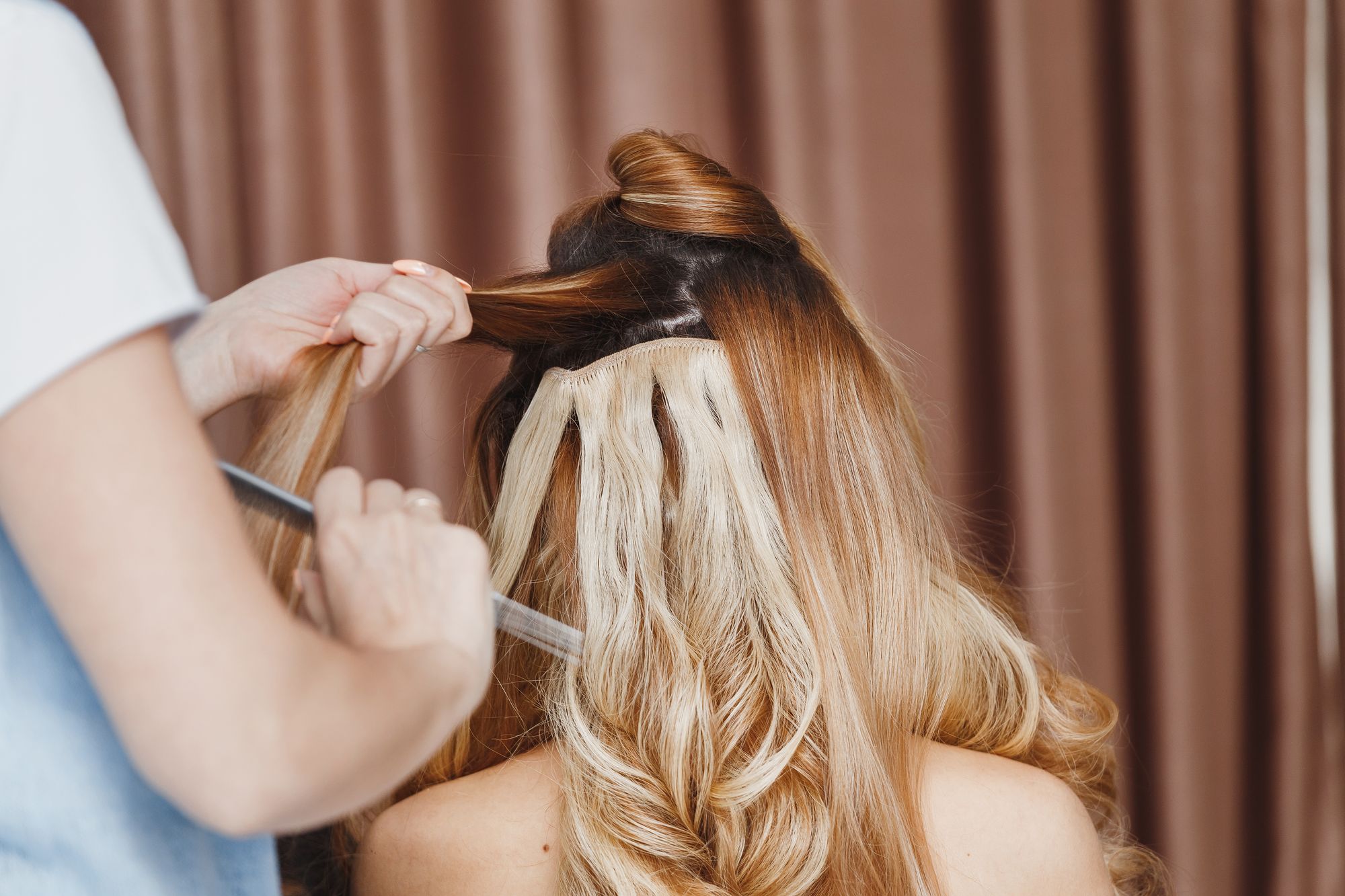
Some 19 synthetic samples claimed to be flame retardant, three were water resistant, nine heat resistant, and three claimed to have “no PVC” or “non-toxic”.
“While prior reports have found some chemicals of concern in hair extensions, there’s still much we don’t know about their overall chemical make-up,” Dr Franklin said.
“We wanted to get a better picture of the extent of the problem.
“This is an industry that has long overlooked the health of Black women, who should not have to choose between cultural expression, convenience, and their health.”
Researchers screened the extensions for a wide range of chemicals and picked up 900 chemical signatures.
They then used machine learning to match these signatures in a chemical library.
 Avoiding toxic chemicals in everyday items is possible. Here’s how
 Top preventable cancer causes in UK revealed – and how to cut your risk
 Ultra-processed skincare: How toxic are the products you’re putting on your face?
 Inside the ultra-processed home: The everyday items making it more toxic than you think
Some 169 chemicals were picked up, some of which are linked to cancer and hormone disruption, including flame retardants, phthalates and pesticides.
All but two samples contained hazardous chemicals, the study found, with 17 chemicals linked to breast cancer found across 36 samples.
Almost one in 10 samples also contained toxic organotins which are primarily used as biocides, pesticides, and PVC plastic stabilisers and heavily regulated in the UK and European Union.
Dr Franklin said her team was “especially surprised” by this discovery.
She added: “These are commonly used as heat stabilisers in PVC and have been linked with skin irritation, which is a common complaint among hair extension users.”
The finds have been published in the American Chemical Society journal Environment & Health.
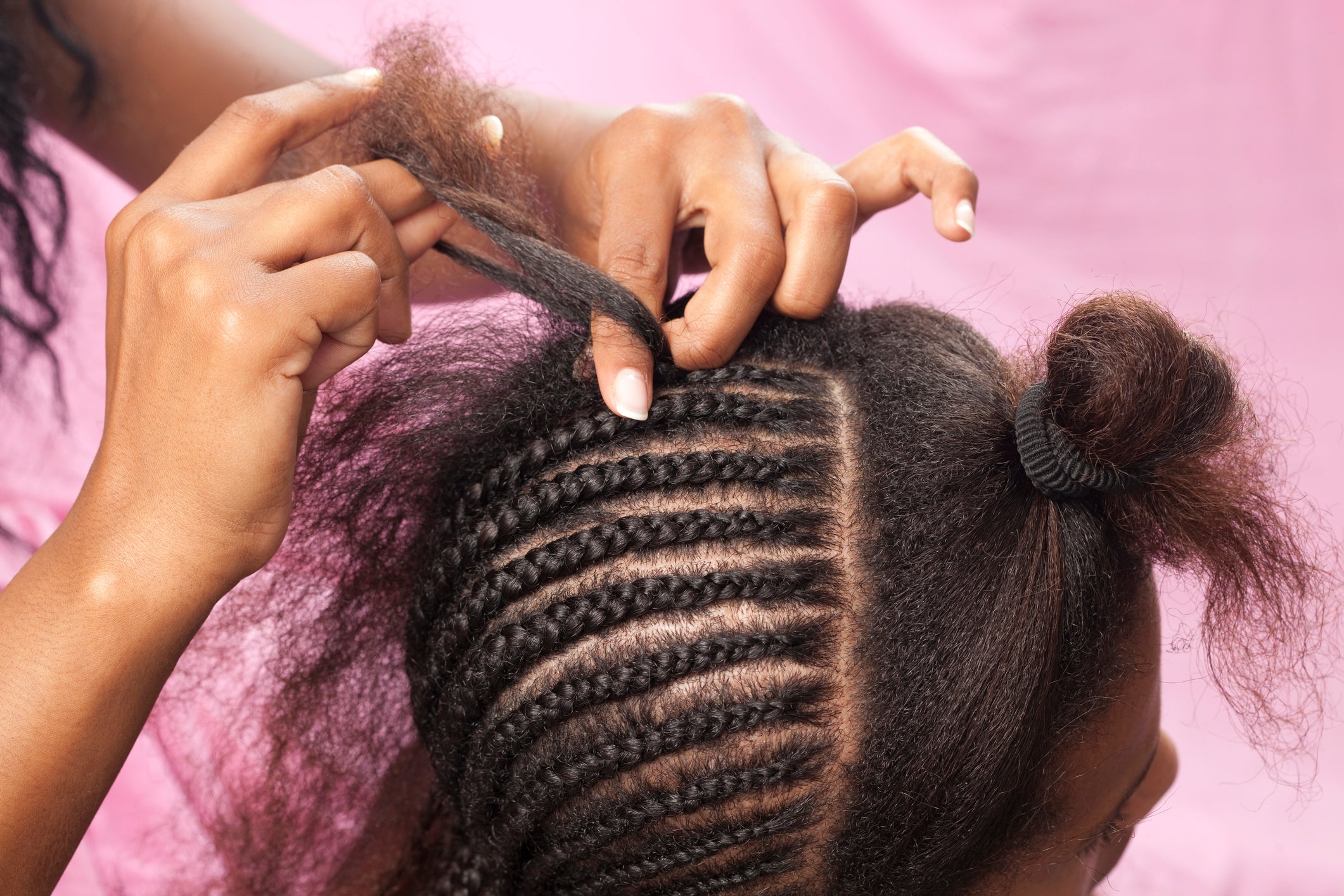
A spokesperson for campaign group Level Up said: “This new research on the dangers of braiding hair only reinforces what black women have been saying for years.
“From hair relaxers to braiding hair, we are being overexposed to cancer causing endocrine disrupting chemicals.
“Over the last five years, Level Up has collected a growing body of research from medical and academic institutions around the world that links the dangerous chemicals found in hair relaxers and braiding hair to serious illnesses, including cancer, kidney failure, and fibroids.
“This evidence should be more than enough to prompt action from regulators, corporations, and government agencies.
“Black women and our children should be able to trust that the products we use, whether from small beauty businesses or multinational corporations, will not put our health at risk.
“That is why Level Up is campaigning to remove toxic chemicals from hair relaxers and calling on the Government to implement and enforce stronger cosmetic safety regulations.”
Jacky van Driel-Nguene, a consultant trichologist based in the Netherlands – who is also chief executive of Trichology Europe – added: “A key concern is the lack of ingredient transparency in hair extension products.
“Unlike many cosmetic products, these materials often provide little or no information about chemical treatments or additives.
“This makes it difficult for professionals to properly advise clients and for consumers to make informed choices about products that sit directly on the scalp for extended periods.
“Greater disclosure and safety oversight would support both consumer protection and better scalp health outcomes.”
Join our commenting forum
Join thought-provoking conversations, follow other Independent readers and see their replies
Comments
Bookmark popover
Removed from bookmarks