Scientists discover ‘hidden vulnerability’ in aggressive brain cancer
Scientists revealed the breakthrough after groundbreaking research into the treatment of glioblastoma

Scientists have identified a "hidden vulnerability" in glioblastoma, one of the most aggressive forms of brain cancer, suggesting that a specialised diet could play a crucial role in slowing tumour growth.
The groundbreaking research indicates that combining a prescribed diet with steroid anti-inflammatory drugs could significantly impact glioblastoma progression.
Published in the journal Science Advances, the study involved an international team of researchers from five European countries, including the Cancer Research UK Scotland Institute in Glasgow.
They detailed how widely-used drugs have surprising effects on how glioblastoma processes essential vitamins.
Dr Saverio Tardito, a key member of the research team, explained: "We discovered a previously hidden vulnerability in glioblastoma tumours which could lead to new diagnostic and treatment strategies for patients, including diet-based approaches.
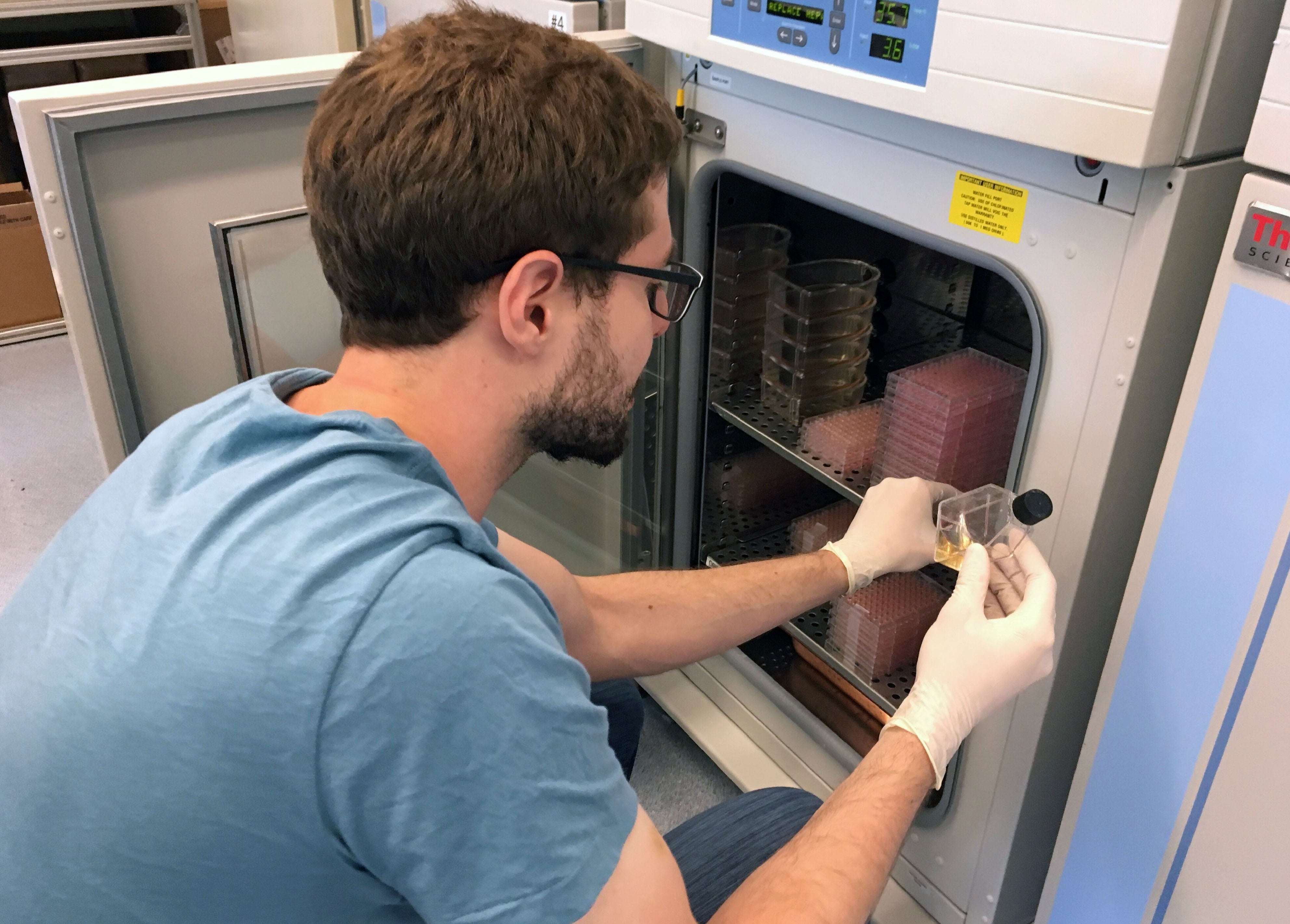
“By combining steroid treatment with dietary strategies that limit the availability of the amino acid methionine, we were able to slow tumour growth in preclinical models, pointing to the potential of diet-based interventions to enhance existing therapies."
Specifically, the study revealed that steroid medications dramatically alter how glioblastoma cells process vitamin B3.
This metabolic weakness, the researchers found, can be therapeutically exploited.
When steroids are administered, reducing the amino acid methionine in a patient’s diet effectively starves glioblastoma cells of the crucial metabolites required for their growth.
Sam Godfrey, science engagement lead at Cancer Research UK, underscored the critical need for such advancements.
"Glioblastoma is a fast-growing cancer with new and better treatments needed urgently," he stated.
"Discoveries which could potentially slow down its growth and provide families with more time are desperately needed.
“Research like this can lead to the breakthroughs that make a difference to people’s lives, and we are delighted to have partly funded this research."
Join our commenting forum
Join thought-provoking conversations, follow other Independent readers and see their replies
Comments
Bookmark popover
Removed from bookmarks