The Independent's journalism is supported by our readers. When you purchase through links on our site, we may earn commission.
The 30 controllable risk factors that fuel cancer, researchers identify
Preventable cancer is more common in men than women, according to the study
Four in 10 cancer cases could be avoided with better lifestyle choices, according to researchers, who have identified 30 preventable causes of the deadly disease.
As part of a new global study from the World Health Organization, researchers named 30 avoidable risk factors that fuel the disease, including, for the first time, nine cancer-causing infections.
The analysis found that an estimated 37 percent of all new cancer cases in 2022 — about 7.1 million cases — were linked to preventable causes.
“This is the first global analysis to show how much cancer risk comes from causes we can prevent,” Dr. André Ilbawi, WHO Team Lead for Cancer Control, and author of the study, said in a press release.
Researchers examined data from 185 countries and 36 types of cancer as part of the study, which comes as the American Cancer Society projects there will be over 2 million new cancer cases and more than 600,000 cancer deaths in the U.S. in 2026.
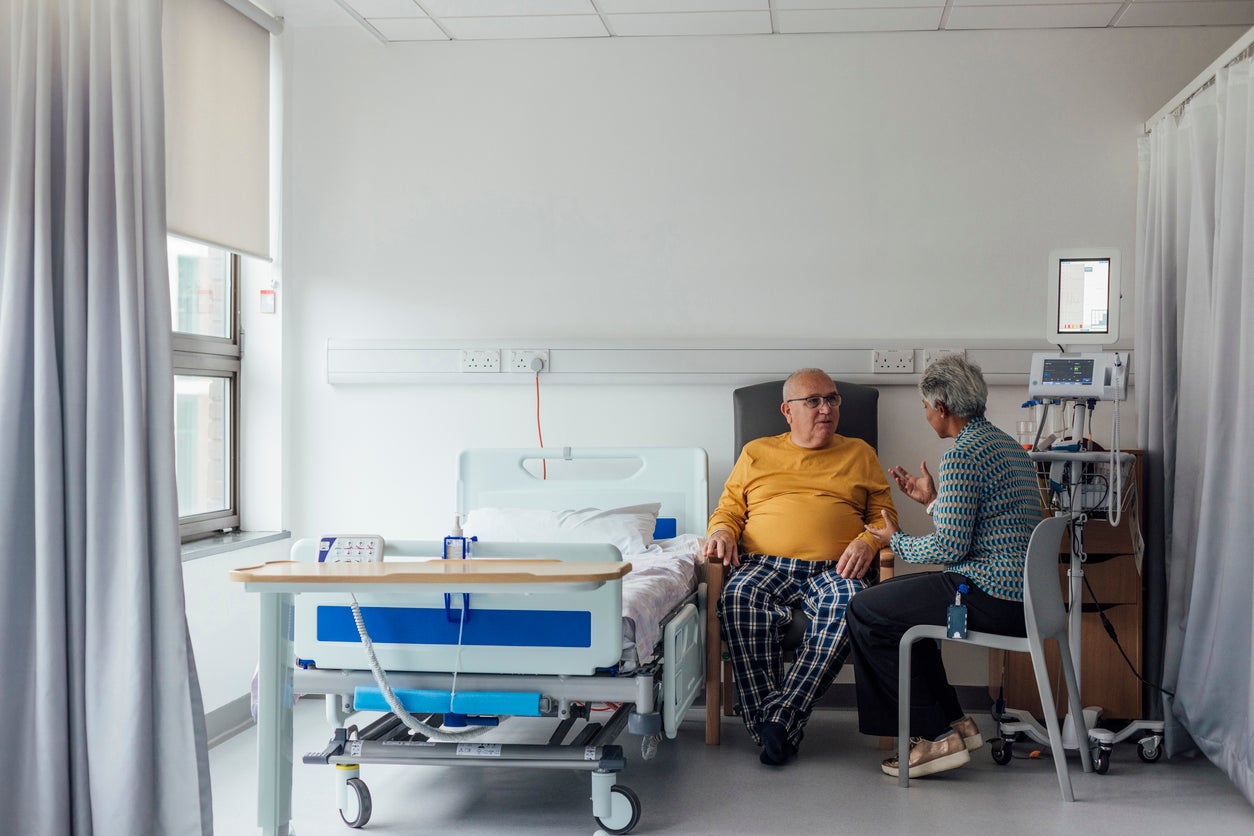
“By examining patterns across countries and population groups, we can provide governments and individuals with more specific information to help prevent many cancer cases before they start,” Ilbawi said.
Men were also more likely than women to receive a cancer diagnosis related to a preventable cause. Researchers said 45 percent of new cancer cases in men were related to avoidable factors, compared to 30 percent in women.
While many cancer cases are linked to unavoidable risks, such as inherited genes, the researchers highlighted the biggest avoidable causes.
Smoking tobacco is considered the biggest avoidable risk factor, causing 15 percent of new cases worldwide.
The second most common preventable cause of cancer was infections, which were responsible for 10 percent of new cases. That includes HPV, a sexually transmitted infection that can be prevented through vaccines and safe sex.
Alcohol consumption was the third biggest risk factor, causing 3 percent of new cases.

Three cancers — lung, stomach and cervical — accounted for nearly half of all preventable cases in both men and women across the globe.
Lung cancer was mainly linked to smoking and air pollution, whereas stomach cancer was attributed to Helicobacter pylori, a bacterial infection. Meanwhile, cervical cancer was overwhelmingly caused by HPV.
The Independent has contacted WHO for more information.
The risk factors identified in the study, according to The New York Post, include:
- Smoking tobacco
- Infections
- Drinking alcohol
- High BMI
- Physical inactivity
- Smokeless tobacco
- Poor breastfeeding practices
- Air pollution
- Excess UV exposure
- Hepatitis B
- Hepatitis C
- Epstein-Barr virus
- Helicobacter pylori (H pylori)
- Human herpesvirus type 8
- Schistosoma haematobium
- Human T-cell lymphotropic virus
- Opisthorchis viverrini and Clonorchis sinensis
- Asbestos
- Arsenic
- Benzene
- Beryllium
- Cadmium
- Chromium
- Diesel engine exhaust
- Formaldehyde
- Nickel
- Polycyclic aromatic hydrocarbons
- Silica
- Sulphuric acid
- Trichloroethylene
Join our commenting forum
Join thought-provoking conversations, follow other Independent readers and see their replies
Comments
Bookmark popover
Removed from bookmarks