Some GPs threaten to stop offering flu jabs next winter
The British Medical Association warned that most flu jabs for next winter will need to be ordered soon
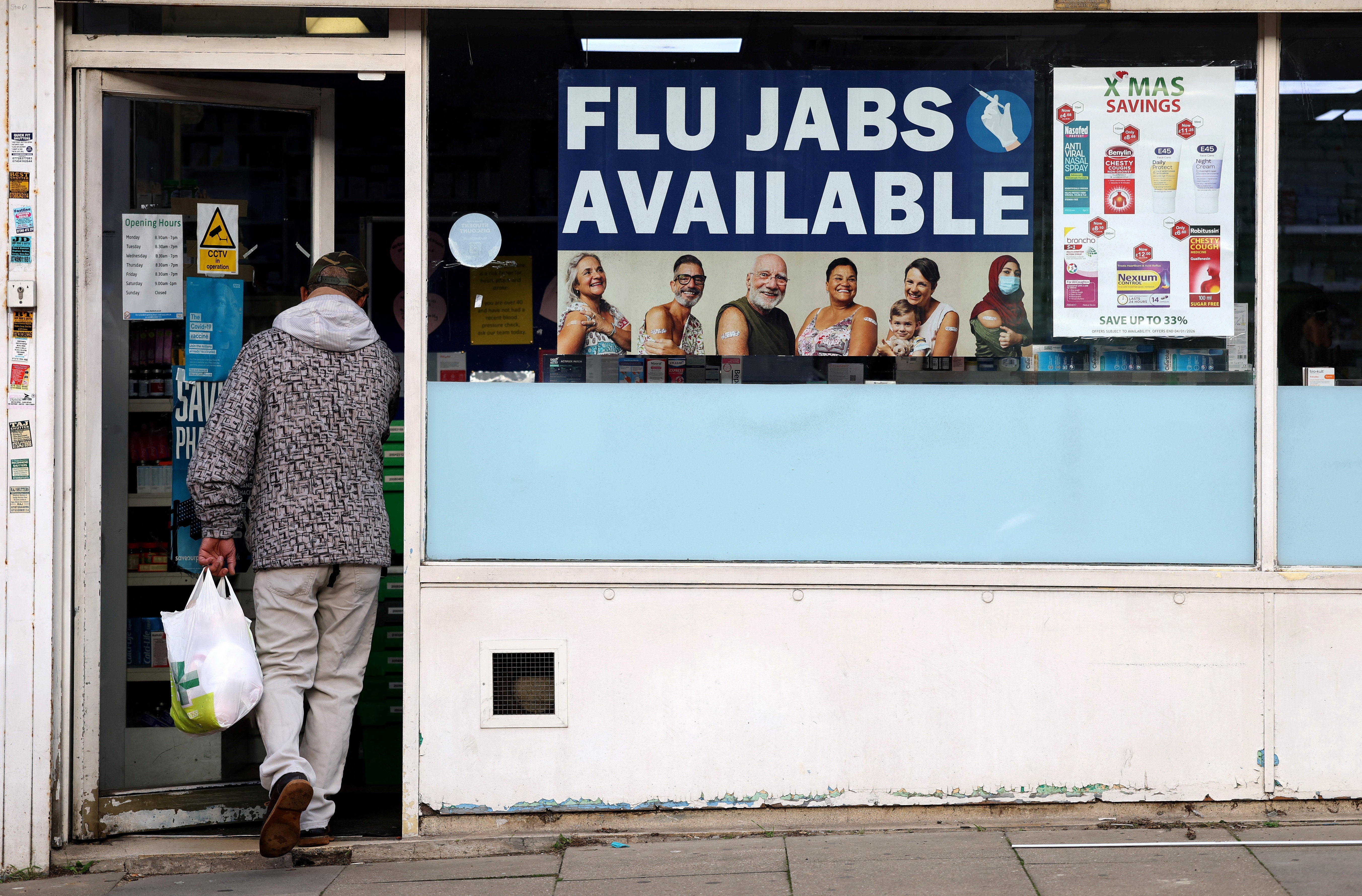
Some GPs have warned they may not be able to offer flu vaccination clinics next winter due to rising operational costs.
Doctors have written to England’s chief medical officer, Professor Sir Chris Whitty, to express concern about the “static” pay given to GPs offering the service.
The British Medical Association (BMA) confirmed some GP practices have already indicated that they do not intend to sign up for the flu programme next winter.
The BMA warned that the issue is pressing as orders for most flu jabs will need to be placed soon.
The union’s GP committee for England pointed out that the payments for flu services were last uplifted in 2018/19.
“The consequences of the real-term decline in funding for these programmes can be severe for both GP practices and patients,” wrote Dr Julius Parker, deputy chairman of the committee.
“We believe that we are reaching the point that many practices may feel that participation in the annual flu programme is no longer a financially viable option, with costs of providing of flu clinics (including additional staff, clinical time etc) having risen substantially in recent years, whilst funding for the programme has remained static.
“We are already hearing from practices across the country that they do not intend to sign up for next year’s flu programme and consequently are not planning on ordering vaccine stock.”
He said the union “is concerned that any action to correct the current situation will only come once practices actively start to pull out of the programme”.
Symptoms of flu
NHS
Flu symptoms come on very quickly and can include:
- a sudden high temperature
- an aching body
- feeling tired or exhausted
- a dry cough
- a sore throat
- a headache
- difficulty sleeping
- loss of appetite
- diarrhoea, tummy pain, feeling sick (nausea) and being sick (vomiting) – although these are less common in adults
Meanwhile, other surgeries are contractually obliged to provide the service, but the “reduction in funding for provision of routine immunisation programmes is contributing to the general decline in funding for general practices, with practices needing to make difficult financial choices on things like their clinical workforce and non-contractual services that they would otherwise like to be able to offer,” Dr Parker said.
Dr Parker added: “We believe that safeguarding and increasing uptake for these programmes should be a priority for the Government and the NHS, especially in light of the risks we’ve seen in recent years from infectious diseases alongside falling rates of vaccination.”
A Department of Health and Social Care spokesperson said: “We are investing an additional £1.1 billion in general practice to reinforce the front door of the NHS, bringing total spend on the GP contract to £13.4 billion in 2025-26 — the biggest cash increase in over a decade.
“After years of decline, we are rebuilding general practice — recruiting an extra 2,000 GPs and giving GPs more time to spend caring for patients.
“GPs and their teams play a vital role in delivering vaccinations to their communities and we are grateful for their continued efforts. We will continue to work closely with the profession to ensure patients can access the vaccines they need.”
An NHS England spokesperson said: “While GPs are benefiting from higher fees for vaccinating children, and will receive another increase for next autumn and winter’s Covid programme, the NHS will keep funding under review to ensure it delivers for patients, taxpayers and providers.”
Join our commenting forum
Join thought-provoking conversations, follow other Independent readers and see their replies
Comments
Bookmark popover
Removed from bookmarks