Child’s weight should not be the focus for eating disorder help – NHS
Weight should not be the main factor for determining disordered eating, guidelines say
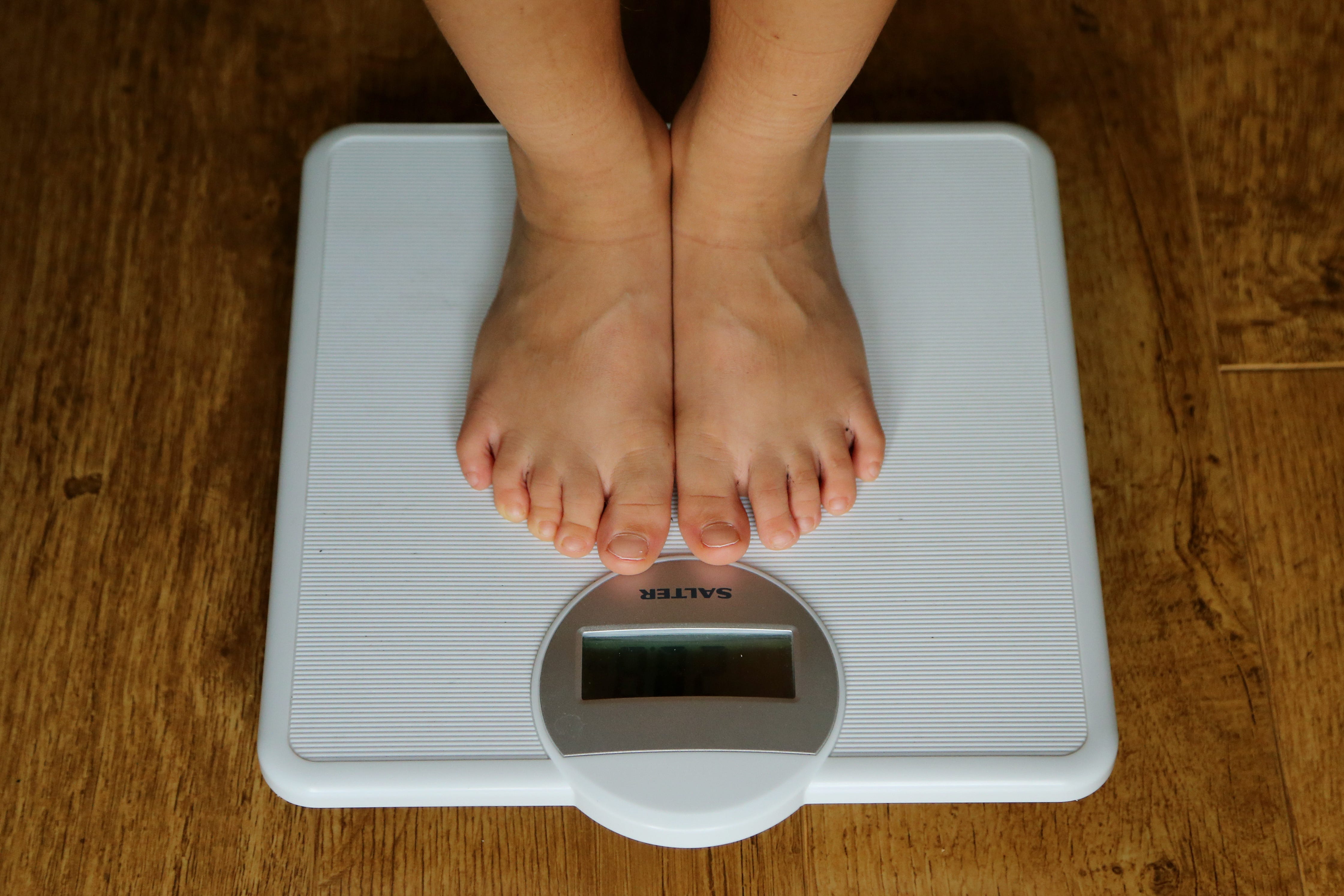
New NHS guidelines have declared that a child's weight should not be the primary factor in determining their eligibility for eating disorder support, signalling a significant shift in care provision.
The advice from NHS England, which extends guidance to teachers, GPs, and school nurses, explicitly states that "single measures such as body mass index (BMI) centiles should not be a barrier" to a child or young person receiving help, or for their admission or discharge from inpatient care.
This move addresses long-standing criticism that an over-reliance on BMI has historically restricted access to vital treatment for both adults and children, often leading to delays in necessary interventions.
The new NHS training, developed with eating disorder charity Beat and the Royal College of Psychiatrists, aims to help professionals spot the early signs of eating disorders so no child is left to suffer.

It urges NHS staff to also look at issues such as behaviour changes and issues within families rather than relying on weight and body measurements.
Online training is available for teachers, GPs and school nurses to ensure they are aware of signs and how they can refer a child for NHS support.
NHS England said every local area in England now has a specialist eating disorder service for children and young people, compared with a handful of areas a decade ago.
It said children are now seen and offered treatment within three weeks of a referral, on average.
Dr Adrian James, national medical director for mental health and neurodiversity at NHS England, said: “NHS staff have worked incredibly hard to transform eating disorder services over the last decade, but we are determined to ensure no child is left to suffer in silence.
“We know the significant pressures young people are experiencing which can be exacerbated by social media bombarding them with content that does not always show realistic body images.
“And we’re seeing the impact of that with growing numbers of young people turning to the NHS for eating disorder support, but it’s vital that everyone knows how to access this treatment which is why we will be offering training to teachers, GPs and school nurses to spot the signs and refer children for specialist help faster.
“So if you or anyone you know is in need of support please contact your GP.”
In December, analysis showed that some adults with eating disorders in England are waiting up to 700 days for care from community teams, while children and young people face waits of up to 450 days.
Beat said the “growing disparity” between child and adult services was “particularly worrying” and warned of a “real postcode lottery” of care for certain conditions.
The National Audit of Eating Disorders (NAED), which was commissioned by the Healthcare Quality Improvement Partnership and funded by NHS England, aims to provide a map of eating disorder services across the country.
Its first report, which uses data collected from January to May last year, found the national median wait for community care for children and young people was 14 days for assessment and four days for treatment, but some waits were up to 450 days.
Tom Quinn, director of external affairs at Beat, said of the new guidance from NHS England: “Demand for eating disorder services has risen steeply since the pandemic and we know that access to these services can vary widely depending on location.
“The publication of this new guidance is an encouraging step in the right direction, helping to ensure equitable access to eating disorder treatment across the country.”
Dr Ashish Kumar, chairman of the Royal College of Psychiatrists’ eating disorders faculty, said: “We welcome this guidance which has the potential to reduce waiting times and improve care for children and young people who have anorexia, bulimia and other eating disorders.
“These conditions can be extremely serious and even life-threatening when left untreated, so it is imperative that we are bold in our efforts to innovate the support that is available.
“Community eating disorder services should use this guidance to establish day care and outreach initiatives that can prevent young people from becoming unwell and help others recover more quickly.
“We also need new care pathways for patients with avoidant/restrictive food intake disorder (Arfid) who often struggle to access treatment.
“This guidance provides a blueprint through which frontline eating disorder services can work with GPs, paediatricians, neurodiversity pathways, schools, colleges and intellectual disability services to better meet the needs of children and young people.”
Join our commenting forum
Join thought-provoking conversations, follow other Independent readers and see their replies
Comments
Bookmark popover
Removed from bookmarks