A fifth of Americans report no physical activity at all outside of work
Just 10 minutes of moderate-to-vigorous activity per day could help prevent deaths, a 2022 study found
About one in five Americans isn’t breaking a sweat outside of work, according to a new report.
The findings are based on 2024 data from the U.S. Department of Health and Human Services and are featured in the United Health Foundation’s latest America’s Health Rankings report.
Public health experts warn that physical inactivity, defined as not engaging in exercise beyond work duties, is linked to a range of negative health outcomes, including an increased risk of cardiovascular disease, type 2 diabetes, certain cancers and premature death. National guidelines recommend that adults hit at least 150 minutes of moderate-intensity activity per week, yet many Americans fall short of that threshold.
Mississippi had the highest share of adults reporting no physical activity outside of work, at 30.6 percent, followed by West Virginia at 28.7 percent and Arkansas at 28.5 percent.
Meanwhile, residents in Washington D.C. were up and moving after work, with only 13.9 percent of adults reporting no physical activity other than work. Colorado follows at 15.6 percent with Vermont at 16 percent.
.png)
States such as Utah and Washington tend to be far less sedentary, with more residents finding time to exercise and stay active, reflecting the outdoors-oriented lifestyles common in parts of the Mountain West and Pacific Northwest.
Data for Tennessee was not available.
America’s Health Rankings analysis reveals that some Americans are significantly more likely to be inactive than others, with notable gaps associated with age, income, education, and overall health status.
Inactivity is higher among women and increases steadily with age, with adults 65 and older reporting the highest rates. Racial and ethnic disparities are also prevalent as Hispanic, American Indian or Alaska Native, and Black adults are more likely to be inactive than white, multiracial and Asian adults.
Economic and social factors also play a significant role. Adults with lower levels of education and lower incomes report significantly higher inactivity levels, while those living in rural areas are more likely to be inactive than those in metropolitan regions. Adults who struggle with self-care face especially high rates of inactivity.
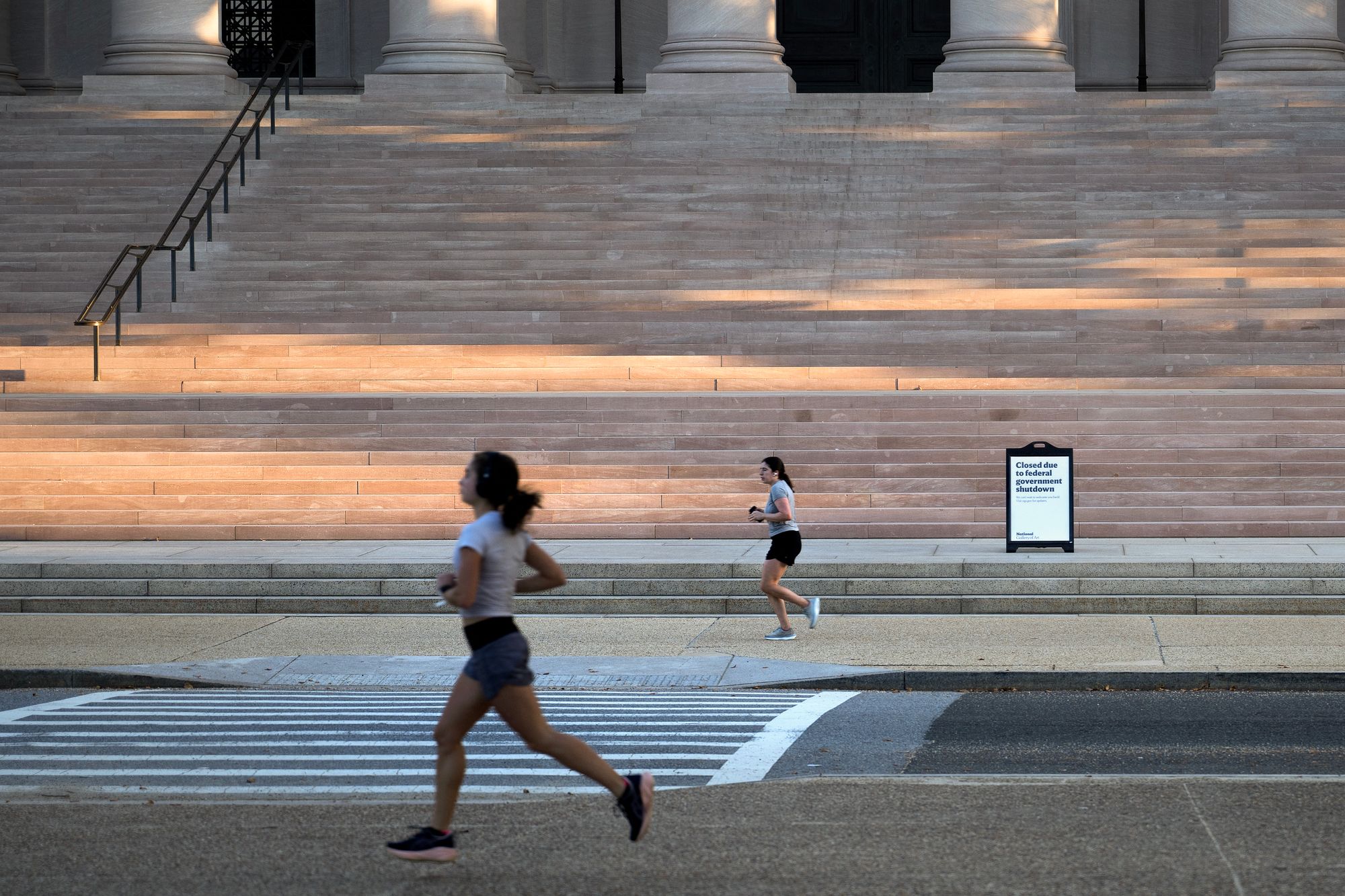
Health experts remind adults that even moderate levels of exercise have been shown to deliver significant physical and mental health benefits, including reduced risk of chronic disease and improved overall well-being.
The Department of Health and Human Services recommends that adults try to move more and sit less during the day, and even a little bit of activity is better than none.
A 2022 study found that about 110,000 deaths in the U.S. each year could be prevented if adults ages 40 and older added just 10 minutes of moderate-to-vigorous activity to their daily routines.
Experts recommend at least 150 minutes of moderate-intensity aerobic activity each week, like walking, biking, dancing, or swimming, or 75 minutes of vigorous activity to maintain strong health and fitness.
Adults should also do muscle-strengthening exercises that work all major muscle groups at least two days, experts say.
Join our commenting forum
Join thought-provoking conversations, follow other Independent readers and see their replies
Comments
Bookmark popover
Removed from bookmarks